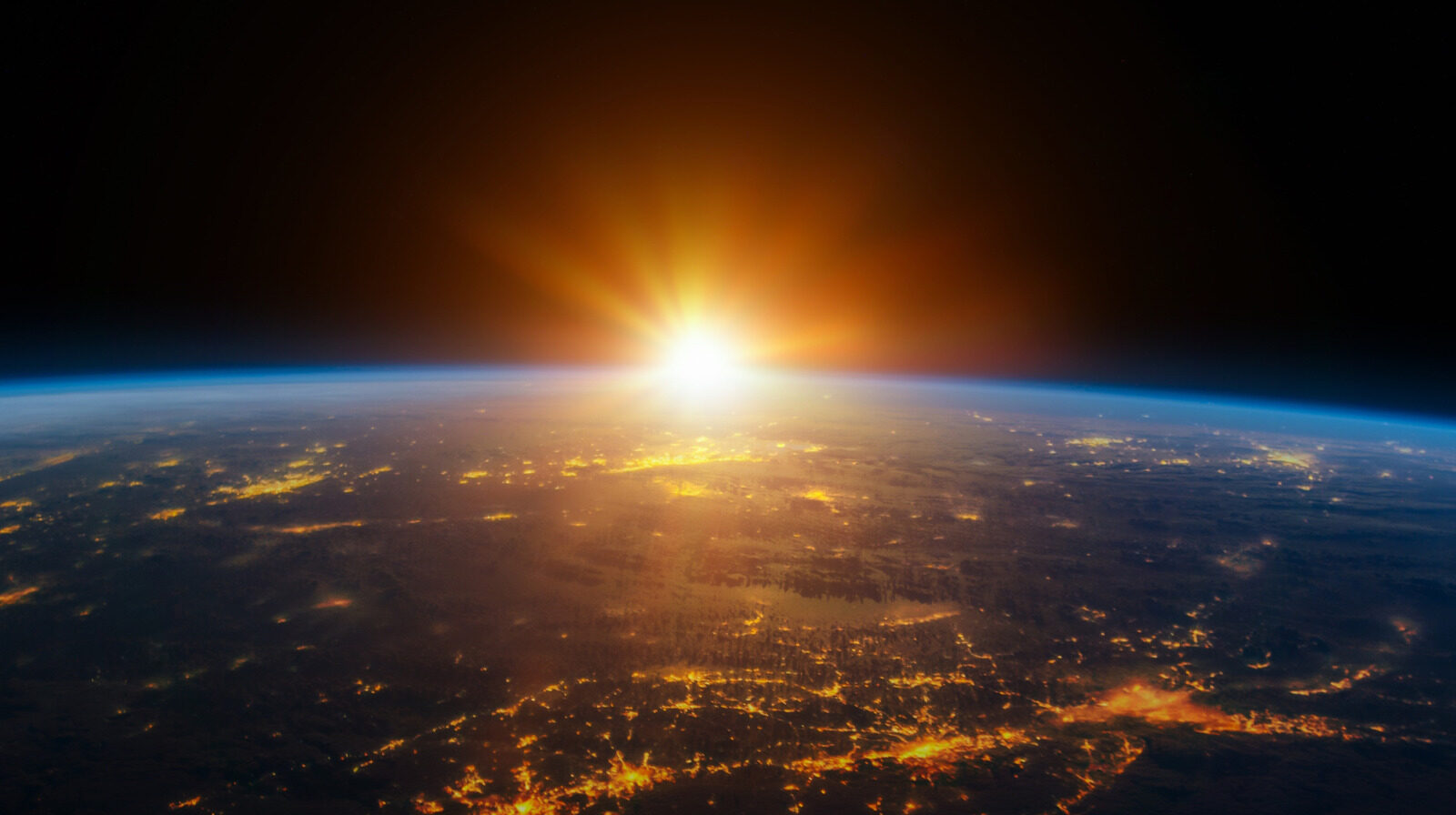
As we navigate through the complexities of solar phenomena, understanding the impact of solar storms on our planet is crucial. Recent events have brought to light the significance of solar activity and its implications for both technology and everyday life. This article explores the largest solar radiation storm in two decades, providing insights into its nature, effects, and safety measures for life on Earth.
In January 2026, a powerful solar storm unleashed a wave of charged particles towards Earth, marking a significant event in solar activity. The geomagnetic effects of this storm created stunning auroras across vast regions, including places as far south as Colorado and 23 other states in the U.S. However, this visual spectacle was accompanied by an invisible threat: a surge of intense solar radiation that experts have classified as the most powerful in the last 20 years.
Understanding solar storms and their classifications
Solar storms originate from explosions on the sun’s surface, particularly from phenomena such as solar flares and coronal mass ejections (CMEs). These events release vast amounts of energy and matter into space, sometimes directed towards Earth. Solar storms are classified by their intensity on a scale that includes the following categories:
- A Class – Minor solar flares
- B Class – Moderate solar flares
- C Class – Medium solar flares
- M Class – Strong solar flares
- X Class – Extreme solar flares, the most powerful
The recent storm, with a classification of X1.9, is a reminder of the sun’s volatile nature. For context, the infamous Halloween storm of 2003 reached a classification of X45, which led to significant disruptions in satellite operations and communications.
The impact of the January 2026 solar storm
The January storm did not reach the catastrophic levels of the 2003 event, but it was still significant enough to warrant attention. The decision-making body for monitoring such activities, the NOAA Space Weather Prediction Center (SWPC), rated it as an S4 on their scale of potential damage. This classification suggests several risks, including:
- Increased radiation exposure for astronauts and those in high-altitude flights
- Disruptions in satellite imaging and memory systems
- Reduced efficiency in solar panels
While the risks associated with the storm were notable, they were not apocalyptic. The storm’s energy levels were enough to disrupt some technology, but for the general population on the ground, the risk was minimal.
Why we remain safe on the ground during solar storms
Despite the S4 ranking of the recent solar storm, the majority of people on Earth are safe due to the protective capabilities of our planet’s atmosphere and magnetic field. The Earth’s magnetic shield effectively deflects most solar winds and radiation, ensuring that dangerous particles do not reach the surface. This natural barrier is vital for the safety of life on Earth and mitigates the potential impacts of solar storms.
Additionally, advancements in technology and early warning systems have significantly improved our ability to forecast and respond to solar storms. The solar cycle, which spans approximately 11 years, influences the frequency and intensity of solar activity. Currently, we are nearing the peak of this cycle, which can lead to an uptick in solar flares and storm occurrences.
The solar cycle and its implications
The sun operates on a predictable 11-year cycle characterized by alternating periods of solar minimum and solar maximum. During the solar maximum, the sun exhibits heightened activity, resulting in increased solar flares and CMEs. For example, the peak of the current cycle in August and September of 2025 saw a surge in solar storms, including the one in January 2026.
This cyclical nature means that while we may experience heightened solar activity now, it will eventually taper off as we move towards a solar minimum. Understanding this cycle is crucial for industries reliant on satellite technology, aviation, and power grids, as they must prepare for potential disruptions during peak solar activity.
Potential hazards of severe solar storms
While the recent storm did not cause widespread harm, it is essential to consider the potential risks associated with more severe solar storms, particularly those rated S5 or above. Such storms could lead to catastrophic effects, such as:
- Complete failure of satellite systems
- Severe disruptions to radio and GPS communications
- Long-term damage to electrical grids
- Increased radiation exposure for individuals at high altitudes
In scenarios where solar storms reach extreme classifications, the consequences could be detrimental to modern society, which relies heavily on technology and satellite communications.
Preparation and response to solar storms
Given the potential risks associated with solar storms, preparation and response strategies are crucial. Organizations like NASA and the SWPC continuously monitor solar activity, providing real-time data and forecasts to help mitigate risks. Key measures include:
- Monitoring solar activity through satellites and ground-based observatories
- Issuing alerts and warnings to relevant industries and stakeholders
- Implementing protective measures for satellites and electrical infrastructure
By staying informed and prepared, society can better navigate the challenges posed by solar storms, ensuring safety while harnessing the benefits of technological advancements.
Conclusion: Navigating the solar storm landscape
The solar storm of January 2026 serves as a reminder of the sun’s power and unpredictability. As we move forward, gaining a deeper understanding of these phenomena, along with advancements in technology, will be essential in safeguarding our planet and its inhabitants from the potential impacts of solar activity.