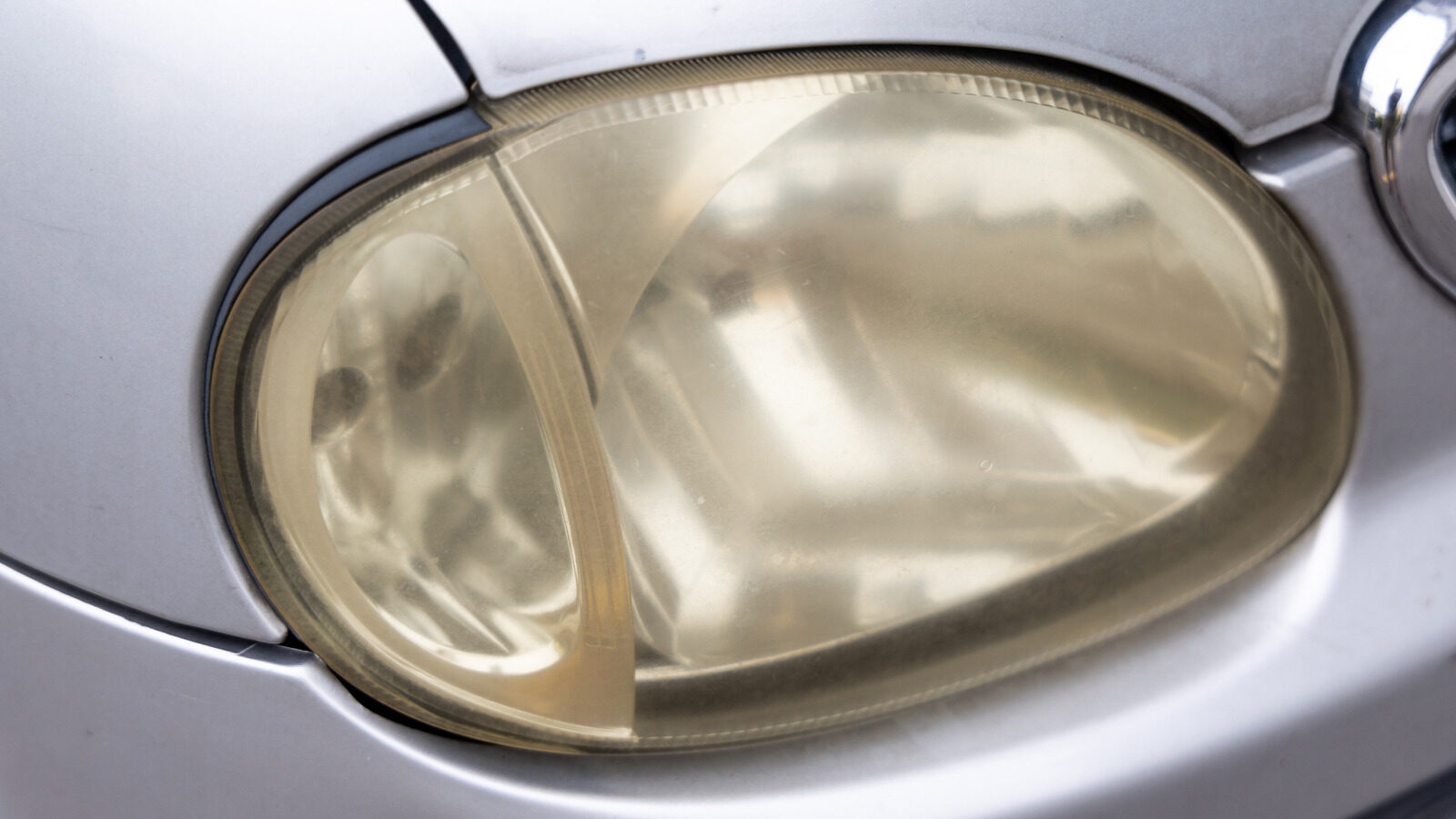
Have you ever noticed that your car’s headlights appear foggy or yellowed over time? This common issue not only affects the aesthetic appeal of your vehicle but can also pose serious safety risks while driving. Understanding why this happens and how to address it can ensure clearer visibility on the road. Read on to discover the science behind this phenomenon and effective solutions to restore your headlights.
Understanding the science behind foggy headlights
The clarity of your car’s headlights is compromised primarily due to the degradation of the protective plastic covering, typically made from polycarbonate. Over time, exposure to harmful elements, particularly UV rays from the sun, gradually breaks down this material. The process is not solely the result of visible light but rather the invisible ultraviolet (UV) light that plays a significant role in this deterioration.
When UV light penetrates the polycarbonate surface, it disrupts the molecular bonds within the plastic. This reaction leads to a chemical breakdown that produces new, yellowish compounds, ultimately altering the appearance of your headlights.
- Polycarbonate breakdown: UV rays break bonds in the plastic.
- Oxidation: Reactions with oxygen produce yellow compounds.
- Surface damage: The glossy finish deteriorates, leading to a foggy appearance.
Understanding this chemical process is crucial. The more prolonged the exposure to UV light without adequate protection, the worse the damage will become. The result is a significant reduction in light output, affecting your visibility during night driving or adverse weather conditions.
Why foggy headlights are a safety concern
Foggy headlights can drastically reduce your vehicle’s lighting efficiency. In tests conducted by organizations such as AAA, it was found that older, damaged headlights emit only about 22% of the light produced by new ones. This reduction in light can lead to dangerous situations on the road, as drivers may not see obstacles, pedestrians, or road signs clearly.
Not only does this impair your ability to see, but it also affects other drivers. Glare produced by unevenly refracted light from damaged headlights can create visibility challenges for oncoming vehicles. Therefore, maintaining your headlights is not just about aesthetics—it’s a critical safety measure.
Effective methods to restore foggy headlights
Restoring headlight clarity can be achieved through several methods, ranging from DIY solutions to professional services. Here are some of the most effective techniques:
- DIY cleaning kits: Available at most automotive stores, these kits typically include sandpaper and polishing compound.
- Toothpaste method: A popular home remedy, using toothpaste can provide light abrasiveness to polish the surface.
- Professional restoration: This process involves sanding and polishing to restore clarity, though it may produce glare.
- Replacement: For severely damaged headlights, replacing them with original parts from the dealer is the most reliable method.
While DIY methods can yield temporary improvements, for long-lasting results, professional restoration or replacement may be necessary. It’s essential to weigh the options based on the extent of damage to your headlights.
Preventive measures to keep headlights clear
Prevention is always better than cure. Taking proactive steps to protect your headlights can significantly reduce the risk of fogging and yellowing over time. Here are some effective strategies:
 Breakfast Habits That May Raise Your Risk of Early Death
- Park in shade: Whenever possible, park your vehicle in shaded areas to minimize UV exposure.
- Regular waxing: Applying a coat of wax on your vehicle, including the headlights, can provide a protective barrier against UV rays.
- Use protective films: Products like paint protection films can shield headlights from UV damage and physical impacts.
- Frequent cleaning: Regularly clean your headlights with automotive-safe cleaners to remove dirt and debris.
By implementing these preventive measures, you can extend the life of your headlights and ensure optimal visibility while driving.
Alternative products for headlight protection
In addition to traditional methods of protection and restoration, several innovative products are designed specifically for maintaining headlight clarity. Consider these options:
- Headlight restoration kits: These comprehensive kits often include everything needed for a DIY restoration.
- Spray-on coatings: Products like Meguiar’s spray-on coatings can offer up to a year of protection against UV rays.
- Paint protection films: These transparent barriers serve to protect not just the headlights but the entire vehicle from environmental damage.
Choosing the right product can significantly enhance the longevity and effectiveness of your headlight protection strategy. Always opt for reputable brands that are specifically formulated for automotive use.
Conclusion
Maintaining clear and functional headlights is essential for safe driving. Understanding the reasons behind foggy headlights and implementing effective restoration and preventive measures can ensure optimal visibility on the road. With a little care and attention, you can keep your headlights shining bright and improve your overall driving safety.