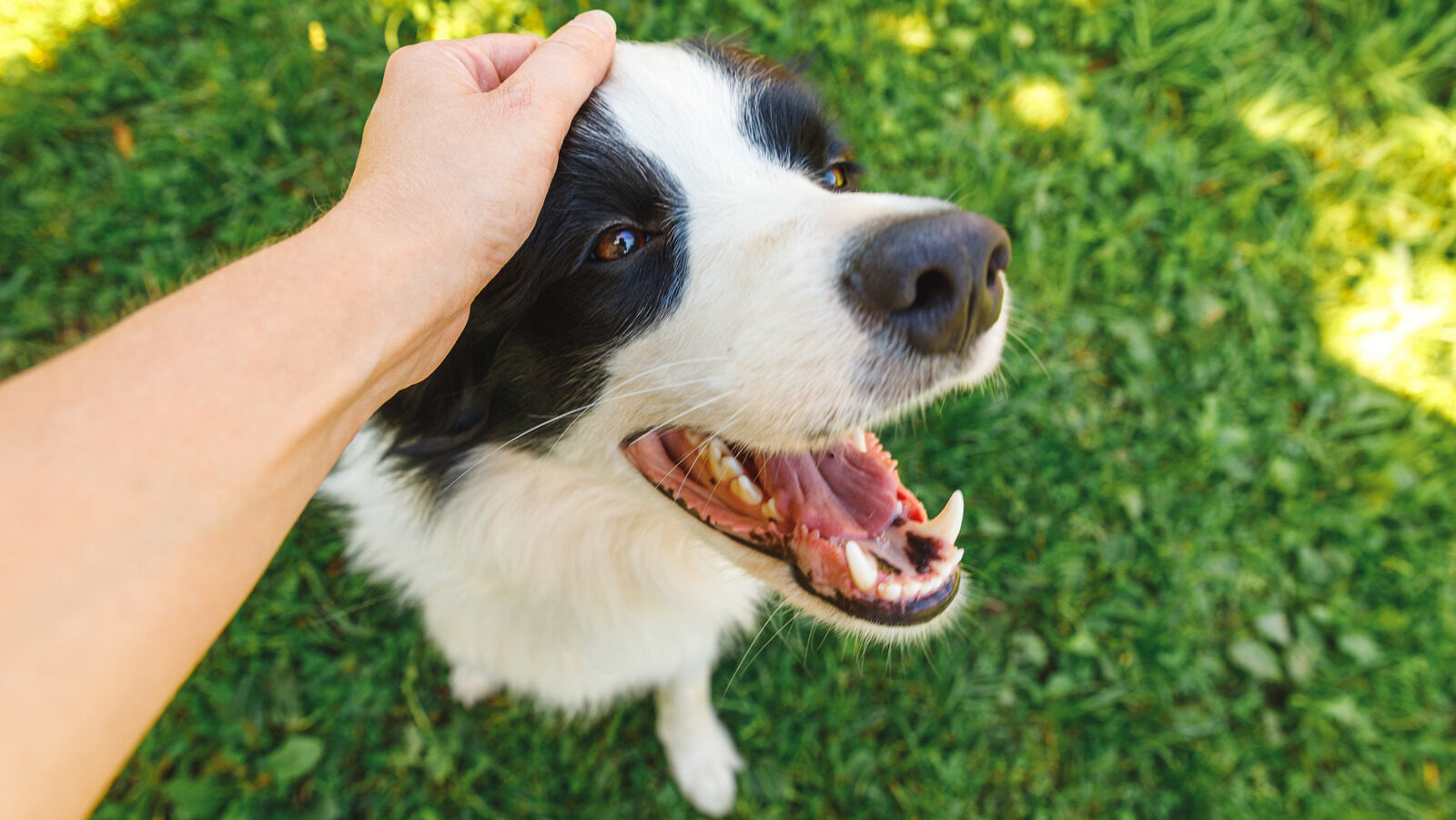
The bond between humans and dogs is profound, with countless studies revealing the emotional and psychological benefits of this relationship. One simple act, such as petting a dog, can significantly impact both parties involved. Understanding this connection can help pet owners enhance their interaction with their furry friends, especially during times of separation.
As it turns out, the way we interact with our dogs before leaving them alone can make a difference. Research indicates that a little affection can ease their anxiety and improve their overall wellbeing. Let’s explore the science behind this phenomenon.
The science behind petting your dog
Understanding the effects of petting on dogs requires a look at recent studies that explore canine behavior and emotional responses. Researchers from the Universities of Pisa and Perugia in Italy conducted a study involving ten dogs of various breeds and ages, all without any history of separation anxiety or chronic health issues.
During the study, each dog underwent two tests to assess how they reacted to being left alone. In the first test, owners ignored their dogs while conversing with a researcher, while in the second test, they petted their dogs throughout the conversation. The results were revealing:
- In both scenarios, dogs searched for their owners when left alone.
- However, dogs who received affection prior to their owners leaving exhibited more relaxed behaviors.
- The heart rates of the dogs were significantly lower when they had been petted first.
- Calm behaviors, such as lying down, were more common in dogs who received attention.
This research sheds light on the importance of affection in reducing stress and anxiety in dogs, suggesting that tender interactions can create a more secure environment for them.
The emotional impact of separation on dogs
Dogs are incredibly sensitive creatures, and they experience emotions in ways that can be similar to humans. When separated from their owners, they can feel stressed and anxious. This emotional response stems from their inability to understand the context of their owners’ absence.
Here are a few ways that separation can impact dogs:
- Increased anxiety: Dogs may become anxious and agitated when left alone, which can manifest in destructive behaviors.
- Stress signals: Common signs of stress include whining, barking, and pacing.
- Physical effects: Chronic stress can lead to health problems in dogs, similar to humans.
Understanding these emotional responses is crucial for dog owners. Knowing how to comfort your dog before departing can help alleviate these negative feelings.
Benefits of petting your dog
The act of petting your dog isn’t just beneficial for them; it’s also advantageous for you. Studies have shown that petting can enhance the emotional bond between humans and dogs, leading to mutual benefits:
 Uninhabited Islands: Exploring Worlds Without People
- Reduction of stress hormones: Petting has been shown to lower cortisol levels in dogs, helping them feel more relaxed.
- Release of oxytocin: Interactions like petting can increase oxytocin levels in both dogs and humans, promoting feelings of affection and bonding.
- Improved mood: Engaging in physical contact with your dog can boost your mood, reducing feelings of loneliness and anxiety.
Moreover, these interactions help reinforce the trust and emotional connection that you share with your dog. This bond is essential for a healthy relationship, fostering a sense of security for both parties.
Practical tips for easing separation anxiety in dogs
To ensure your dog feels secure when you leave them alone, consider implementing the following practices:
- Establish a routine: Dogs thrive on consistency. Create a predictable schedule for your departures and arrivals.
- Practice short separations: Gradually acclimatize your dog to being alone by starting with short intervals and increasing the duration over time.
- Provide comfort items: Leave behind items that smell like you, such as an old t-shirt, to soothe their anxiety.
- Engage in play: Before leaving, spend time playing or exercising with your dog to expend energy and foster a sense of happiness.
- Use calming aids: Consider using anxiety-reducing products, like pheromone diffusers or calming music, to create a serene environment.
Implementing these strategies can help create a positive atmosphere for your dog, reducing their anxiety and making the separation easier for both of you.
Understanding canine body language
Being able to read your dog’s body language is essential in understanding how they feel, especially during times of separation. Here are some key signs to look out for:
- Tail position: A wagging tail can indicate excitement, while a tucked tail often suggests fear or anxiety.
- Ear position: Ears that are pinned back may indicate stress, while relaxed ears suggest that your dog is comfortable.
- Eye contact: Direct eye contact can indicate trust, while avoiding eye contact may suggest fear or discomfort.
By paying attention to these signals, you can better address your dog’s emotional needs and respond appropriately to their feelings.
The long-term effects of positive interactions
Consistent positive interactions, including petting and affectionate behaviors, can lead to lasting benefits for both you and your dog. These benefits may include:
- Enhanced bond: Regular affection strengthens the emotional connection between you and your pet.
- Better behavior: Dogs that feel secure are often better behaved and more receptive to training.
- Increased happiness: A loving relationship contributes to the overall happiness and wellbeing of both you and your dog.
In summary, the simple act of petting your dog before leaving them alone can significantly impact their emotional state and behavior. By fostering a loving environment and being attentive to their needs, you can create a more harmonious relationship that benefits both parties. Understanding the science behind this bond helps highlight the importance of affection in our interactions with our canine companions.