Bamboo has become a popular choice for gardens and landscapes due to its aesthetic appeal and versatility. However, not all types of bamboo are suitable for residential areas, especially when they are planted too close to homes. Understanding the characteristics of different bamboo species is essential for homeowners to avoid costly issues in the long run.
This article delves into the potential dangers of planting running bamboo, a species notorious for its aggressive growth and invasive tendencies. By exploring its rapid expansion, the impact on property, and real-life consequences faced by homeowners, we aim to provide valuable insights that can help you make informed landscaping decisions.
Understanding the types of bamboo: Clumping vs. Running
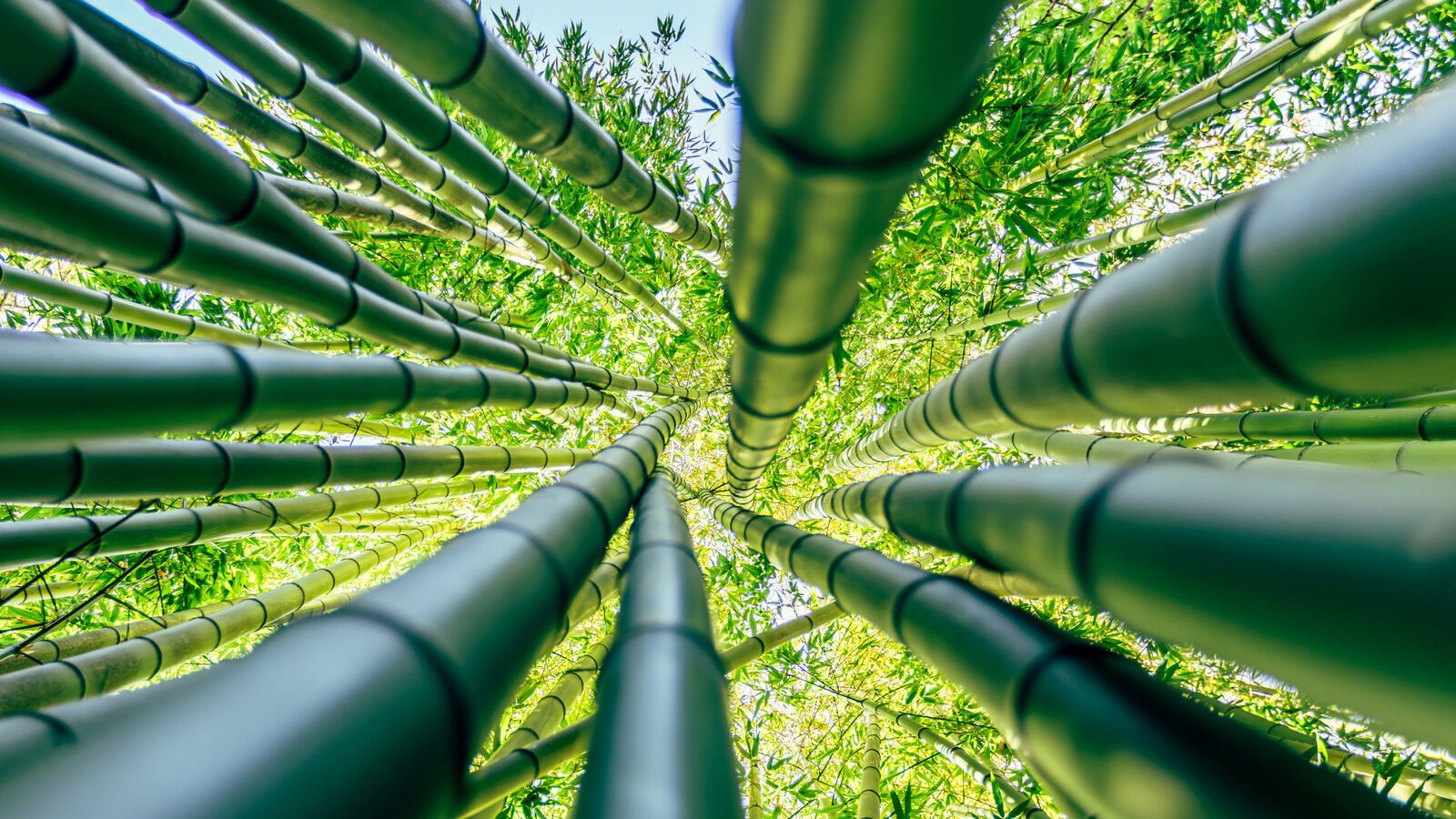
Bamboo belongs to the grass family, Poaceae, with over 1,400 species classified under the subfamily Bambusoideae. Generally, there are two primary types of bamboo you might encounter:
- Clumping bamboo: These species grow in tight clusters and are typically non-invasive. They are ideal for residential gardens, as they do not spread aggressively.
- Running bamboo: In contrast, running bamboo spreads rapidly through underground rhizomes. This aggressive growth can cause significant problems when planted near homes.
Understanding the differences between these two types is crucial for homeowners. While clumping bamboo can enhance your garden without causing issues, running bamboo can lead to extensive damage and costly repairs.
Running bamboo is a fast-growing menace
Running bamboo is notorious for its ability to grow at astonishing rates, making it a popular choice for creating natural barriers in gardens. Some species can grow as much as two inches per hour, with extreme cases documented where bamboo reaches 60 feet in just three months. The Guinness World Record for the fastest-growing plant is held by a bamboo species that can grow up to 35 inches in a single day.
This rapid growth is facilitated by its underground rhizomes, which can spread aggressively, often reaching up to 15 feet per year. As such, homeowners who plant running bamboo may find themselves dealing with invasive roots that intrude on their property and disrupt foundations, plumbing, and landscaping.
Consequently, the allure of bamboo’s exotic appearance can quickly become a source of frustration and financial burden if proper precautions are not taken.
Real-life consequences of planting running bamboo
Homeowners worldwide have shared alarming accounts of the havoc that running bamboo can wreak. For instance, in the UK, reports have surfaced of running bamboo species planted in the 1990s creating substantial issues for property owners. These plants have been documented pushing through paving stones, asphalt, and even residential foundations.
One particularly distressing story involved a homeowner who discovered bamboo culms emerging from skirting boards and walls, necessitating the removal of floorboards to access an extensive network of rhizomes that had spread unnoticed from a neighboring garden. The cost to remediate this issue? An astonishing £100,000 (approximately $135,428).
Such cases highlight the urgent need for homeowners to think carefully before introducing running bamboo into their gardens. The initial appeal of having a lush, green wall can lead to unforeseen expenses and extensive damage.
Costly repairs and potential hazards
Aside from the aesthetic concerns, the financial implications of planting running bamboo can be severe. Homeowners may face various issues, including:
- Structural damage to homes and foundations.
- Clogged plumbing systems due to invasive roots.
- Damage to sidewalks, driveways, and other hardscapes.
- Costly removal and remediation efforts.
Moreover, the presence of running bamboo can lead to conflicts with neighbors, especially if the invasive species spreads onto their properties. As the plant encroaches on neighboring gardens, tensions can rise, leading to potential disputes.
Managing running bamboo: Is it possible?
While it is generally advised to avoid planting running bamboo, there are methods to mitigate its spread if you find yourself already dealing with it. Some effective strategies include:
- Trenching: Dig a trench around the bamboo and regularly cut off any rhizomes that emerge from the trench.
- Physical barriers: Installing barriers or root containment systems to prevent rhizome spread can be beneficial.
- Regular maintenance: Periodically monitoring and controlling the growth of bamboo can help keep it in check.
Implementing these measures requires effort and diligence, but they can help limit the invasive nature of running bamboo. However, it’s essential to note that these methods may not guarantee complete eradication, and professional assistance might be necessary in severe cases.
Alternatives to running bamboo for landscaping
If you’re considering options for landscaping but want to avoid the risks associated with running bamboo, there are several alternatives to explore:
- Clumping bamboo: As mentioned earlier, clumping bamboo offers the aesthetic appeal without the invasive growth.
- Ornamental grasses: Grasses like Miscanthus or Panicums can provide similar visual interest with less risk of spreading.
- Hedging plants: Consider using shrubs or other plants that can create barriers without the aggressive characteristics of running bamboo.
Researching these alternatives can help you achieve your landscaping goals while avoiding the pitfalls associated with running bamboo.
Final thoughts on planting bamboo
While bamboo can enhance the beauty of gardens, it’s crucial to understand the potential pitfalls of planting running bamboo close to your home. This fast-growing species poses risks that can lead to costly repairs and significant headaches for homeowners. By educating yourself about the differences between bamboo species and exploring suitable alternatives, you can create a beautiful and sustainable landscape without the fear of invasive damage.