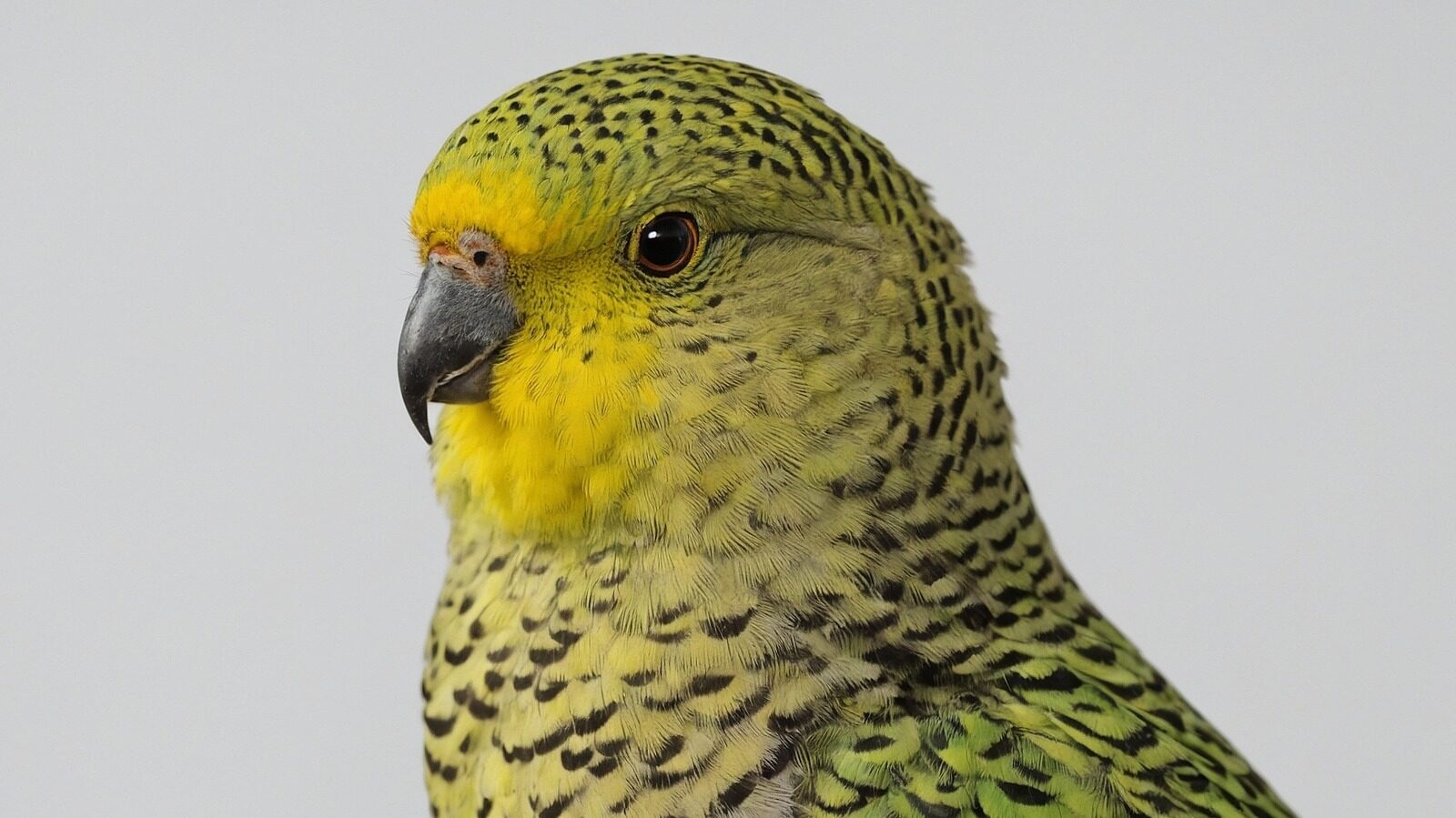
The night parrot, a bird shrouded in mystery and intrigue, has captured the fascination of ornithologists and nature enthusiasts alike. After years of being presumed extinct, this elusive creature has reemerged, offering a glimpse into the resilience of wildlife. The story of the night parrot is a testament to the importance of conservation efforts and the enduring connection between humans and nature.
The night parrot: a rare avian wonder
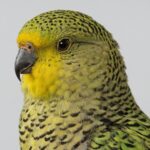
The night parrot (Pezoporus occidentalis) is not just any bird; it is considered one of the most elusive species in Australia. With a modest size that ranges from 8 to 10 inches in length and a wingspan of up to 18 inches, this bird boasts a striking mottled plumage of green, yellow, and black. Such coloration is typical of parrots, yet the night parrot’s reclusive nature makes it a challenging sight.
Unlike many of its avian cousins, the night parrot prefers to stay grounded. Its habitat consists predominantly of thick clusters of spinifex grass, an environment that offers both food and concealment. The seeds of these grasses are a primary food source for the night parrot, which typically forages during the low light of dawn and dusk. While they are capable of flight, they seldom take to the skies, opting instead for a life hidden among the grasses.
The night parrot was first documented in 1845, and throughout the late 19th century, researchers collected over 20 specimens. However, after the early 1900s, sightings became exceedingly rare, leading many to declare the species extinct. The last confirmed sighting before a lengthy absence was in 1912, leaving scientists puzzled and discouraged about the fate of this unique bird.
Rediscovering the elusive night parrot
Despite being considered extinct for decades, the night parrot has proven to be more resilient than previously thought. The story of its rediscovery is a fascinating journey that highlights the unpredictability of nature. In the latter half of the 20th century, there were sporadic unconfirmed reports of night parrot sightings, including notable accounts from a team at the South Australia Museum. However, the only physical evidence recovered was a mummified specimen found in 1990.
The turning point for the night parrot occurred in 2013 when ornithologist John Young captured blurry photographs of the bird in the remote Queensland outback. This moment reignited hope for the species, leading researchers back to the area to study the population further. They successfully attached a tracking device to one of the birds, marking a significant step in understanding its behavior and habitat.
As a result of these findings, the Pullen Pullen Reserve was established, a protected area covering over 200 square miles. While the exact location of the night parrot’s habitat remains confidential to ensure its safety, this reserve represents a critical sanctuary for this rare bird.
Challenges faced by the night parrot
Even with the positive news of rediscovery, the night parrot faces numerous threats that jeopardize its survival. In 2020, a collaborative effort between scientists from the University of Queensland and Indigenous rangers focused on better understanding these challenges. They established over 30 audio recording stations in the Ngururrpa Indigenous Protected Area to capture the night parrot’s distinctive calls and monitor their population.
Through three years of data collection, researchers identified several significant threats to the night parrot, including:
- Wildfires: These devastating events destroy the spinifex grasslands that provide food and shelter for the night parrot. The complex growth structure of these grasses takes years to regenerate.
- Predators: While dingoes were initially suspected to pose a threat, studies revealed that feral cats are the primary predators of night parrots. Managing these predator populations is essential for conservation.
- Habitat Loss: Ongoing land development and changes in land use further reduce the natural habitats necessary for the survival of the night parrot.
These findings underscore the fragility of the night parrot’s existence. Conservation efforts must address these threats to ensure the species does not slip into extinction once again.
Conservation efforts and their significance
The story of the night parrot is more than just a narrative of rediscovery; it is also a compelling call to action for conservation. The formation of the Pullen Pullen Reserve and the collaboration between scientists and Indigenous rangers exemplify a model of effective conservation practices. Such partnerships harness traditional ecological knowledge and scientific research, creating a holistic approach to wildlife preservation.
Furthermore, public awareness and education play crucial roles in conservation. Engaging communities in the protection of local wildlife fosters a sense of responsibility and ownership over natural resources. Initiatives that encourage citizen science, such as birdwatching tours, can help raise awareness about the plight of the night parrot and other endangered species.
Key aspects of successful conservation efforts for the night parrot include:
- Monitoring Populations: Ongoing research to understand population dynamics and habitat usage is essential.
- Habitat Restoration: Efforts to restore and maintain spinifex grasslands will provide the necessary environment for the night parrot.
- Predator Control: Strategically managing feral cat populations will reduce predation pressures on the night parrot.
Incorporating these strategies will be vital for ensuring a brighter future for the night parrot and other endangered species within Australia.
The broader implications of the night parrot’s story
The rediscovery of the night parrot serves as an important reminder of the complexities of wildlife conservation. It illustrates how species can persist undetected for long periods, even in changing landscapes. This story not only highlights the resilience of nature but also the vital need for continued research and active stewardship of the environment.
Moreover, the night parrot’s journey reflects larger environmental themes, including habitat degradation, climate change, and the critical role of biodiversity in ecosystem health. As we learn more about this unique bird, we gain insights into the interconnectedness of species and their environments, reinforcing the idea that conservation is not just about saving individual species, but about preserving the intricate web of life.