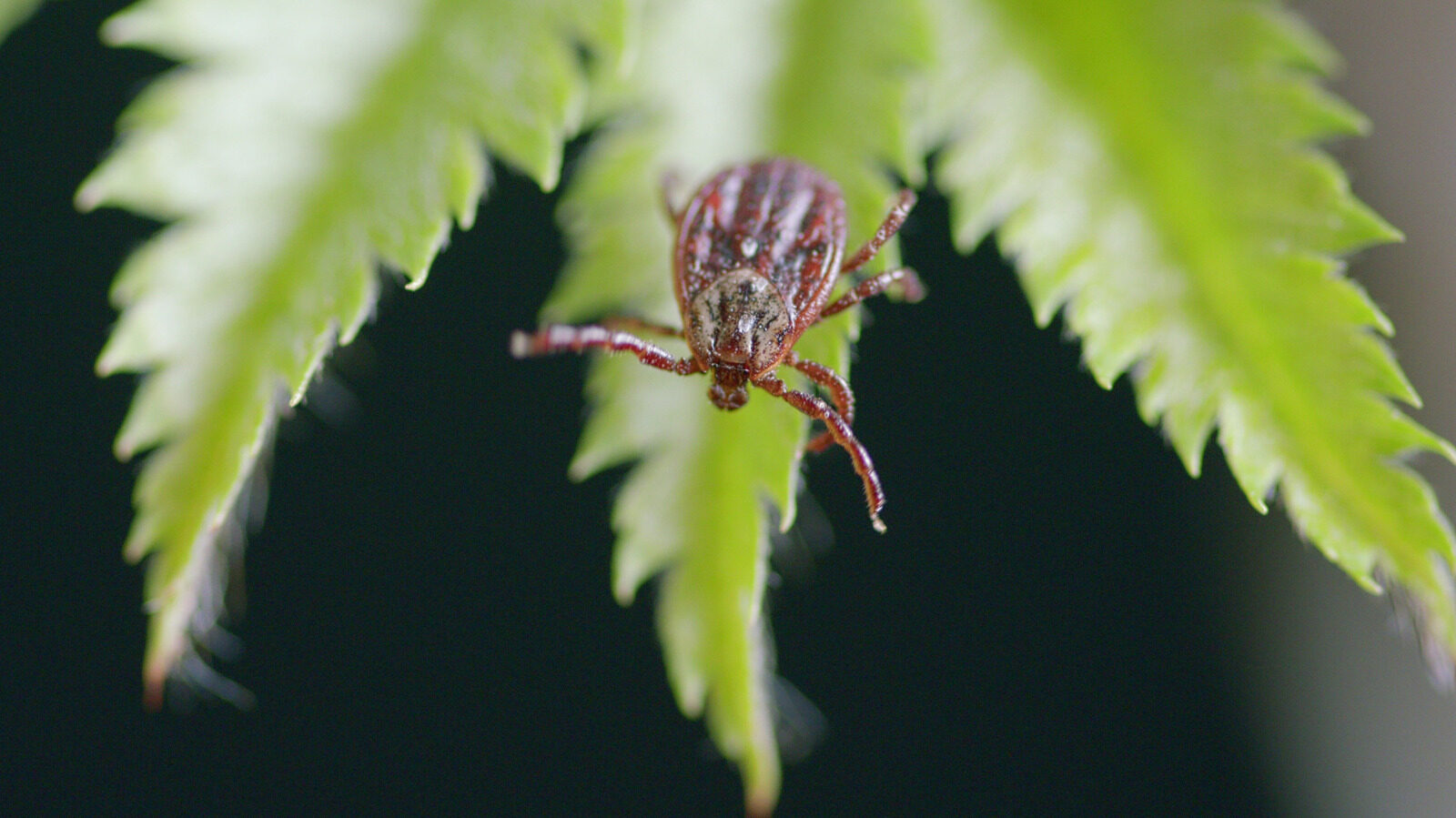
When it comes to landscaping, many homeowners aim to create a beautiful and inviting outdoor space. However, certain plants that are commonly thought to be beneficial may actually attract unwanted pests like ticks. Understanding the relationship between specific plants and tick populations is crucial for maintaining a safe yard. Let’s explore how ferns, a popular choice for gardens, might be secretly inviting these parasites into your surroundings.
Ferns: Attractive Hiding Places for Ticks
Ferns are often touted as an excellent option for gardeners due to their lush foliage and aesthetic appeal. However, there’s a misconception that planting ferns can deter deer and, consequently, the ticks they carry. The rationale behind this belief stems from the fact that white-tailed deer, known carriers of ticks, generally avoid ferns. The plants’ unpalatable nature and low nutritional value make them less appealing to these grazing animals.
A closer examination reveals that while ferns don’t attract deer, they can create an ideal habitat for ticks. Here’s how:
- Rodent Attraction: The dense, low-lying fronds of ferns provide perfect hiding spots for small mammals like squirrels and mice, which ticks readily target as hosts.
- Warm, Humid Environments: Ticks thrive in warm and moist conditions. Ferns create a microhabitat that retains moisture and heat under their fronds, making it an ideal shelter for these pests.
- Perching Opportunities: The intricate structure of fern fronds serves as a waiting area for ticks, allowing them to ambush unsuspecting hosts that brush against them.
Additionally, certain fern species retain their leaves throughout the winter, offering ticks a consistent environment to survive cold spells. This means that in regions where ticks are prevalent, cultivating ferns could inadvertently increase the likelihood of tick infestations in your yard.
The Risks of Tick-Borne Diseases
Ticks are not just a nuisance; they pose serious health risks to both humans and pets. One of the most well-known tick-borne diseases is Lyme disease, which can lead to severe complications if not treated promptly. Here’s a brief overview of some common tick-borne illnesses:
- Lyme Disease: Caused primarily by the black-legged tick, it can lead to chronic joint pain and neurological issues.
- Anaplasmosis: This bacterial infection can cause fever, chills, and muscle aches.
- Tularemia: Often contracted through handling infected animals, it can cause severe respiratory issues.
- Babesiosis: This malaria-like illness can lead to serious complications, particularly in individuals with compromised immune systems.
- Alpha-gal Syndrome: A unique allergy to red meat caused by certain tick bites, leading to severe allergic reactions.
Ticks are present in various regions across the United States, and the threat of these diseases emphasizes the need for effective management strategies in your yard.
Strategies to Minimize Tick Populations
While it may be tempting to remove all ferns from your garden, there are several strategies that can help reduce tick populations while still maintaining a vibrant landscape.
- Regular Maintenance: Trim your fern plants frequently to open up the canopy, allowing sunlight and wind to dry out the ground below, which reduces humidity—an environment ticks prefer.
- Strategic Placement: If possible, relocate ferns to sunnier areas of your yard where they won’t create shaded, humid spots that attract ticks.
- Remove Other Moisture-Trapping Plants: Get rid of any low-lying weeds or plants that may foster a tick-friendly environment.
- Incorporate Tick-Repelling Plants: Consider adding plants known to repel ticks and their hosts, such as lemongrass, sage, lavender, mint, and juniper.
- Use Barriers: Create physical barriers around your yard, such as wood chips or gravel, which can deter deer and reduce tick migration.
Choosing the Right Plants for a Tick-Free Yard
When selecting plants for your yard, it’s crucial to consider their impact on local wildlife and the potential for tick attraction. Here are some plants that can help keep your yard tick-free:
- Lemongrass: Its strong citrus scent is unappealing to ticks.
- Sage: This herb is both flavorful and a natural repellent.
- Lavender: Not only does it smell lovely, but it also acts as a deterrent for ticks.
- Mint: This aromatic plant can repel ticks and other pests.
- Juniper: Its dense foliage provides a barrier against invading ticks.
- Onion Grass: Believed to help ward off ticks due to its strong smell.
By choosing the right combination of plants and maintaining your garden effectively, you can enjoy a beautiful yard without the lurking threat of ticks.
 Major Scientific Breakthrough That May Reverse Osteoporosis
Understanding the Ecological Role of Ticks
While it’s vital to manage tick populations for safety, it’s also important to recognize that ticks play a role in the ecosystem. They are part of the food web and serve as prey for various predators, including:
- Birds
- Small mammals
- Reptiles
Ticks contribute to the balance of nature, and their absence could have unforeseen consequences on local wildlife populations. Therefore, effective management should focus on minimizing ticks without completely eradicating them.