The natural world is a stage where survival often hinges on the ability to blend in. In this breathtaking theater of life, plants have evolved some truly astonishing Camouflage Techniques To Evade Predators, Attract Prey, and thrive in their environments. From mimicking their surroundings to luring unsuspecting insects with deceptive tactics, These Botanical Masterminds Demonstrate Nature’s Incredible Ingenuity.
Think of a chameleon seamlessly changing Color To Match Its Environment, or a tiger skillfully blending into the dappled sunlight of the forest floor. These examples highlight the power of camouflage, and plants have taken this concept To New Heights. Some species have developed such remarkable disguises that they become practically invisible to the naked eye. We’ll delve into the fascinating world of plants that camouflage, exploring six incredible examples that showcase nature’s artistry in survival. Their stories are a testament to the resilience and adaptability of life on Earth.
Get ready to be amazed by the intricate strategies these plants employ to thrive in their often-Challenging Environments.
Masters of Deception: The Boquila trifoliolata Vine
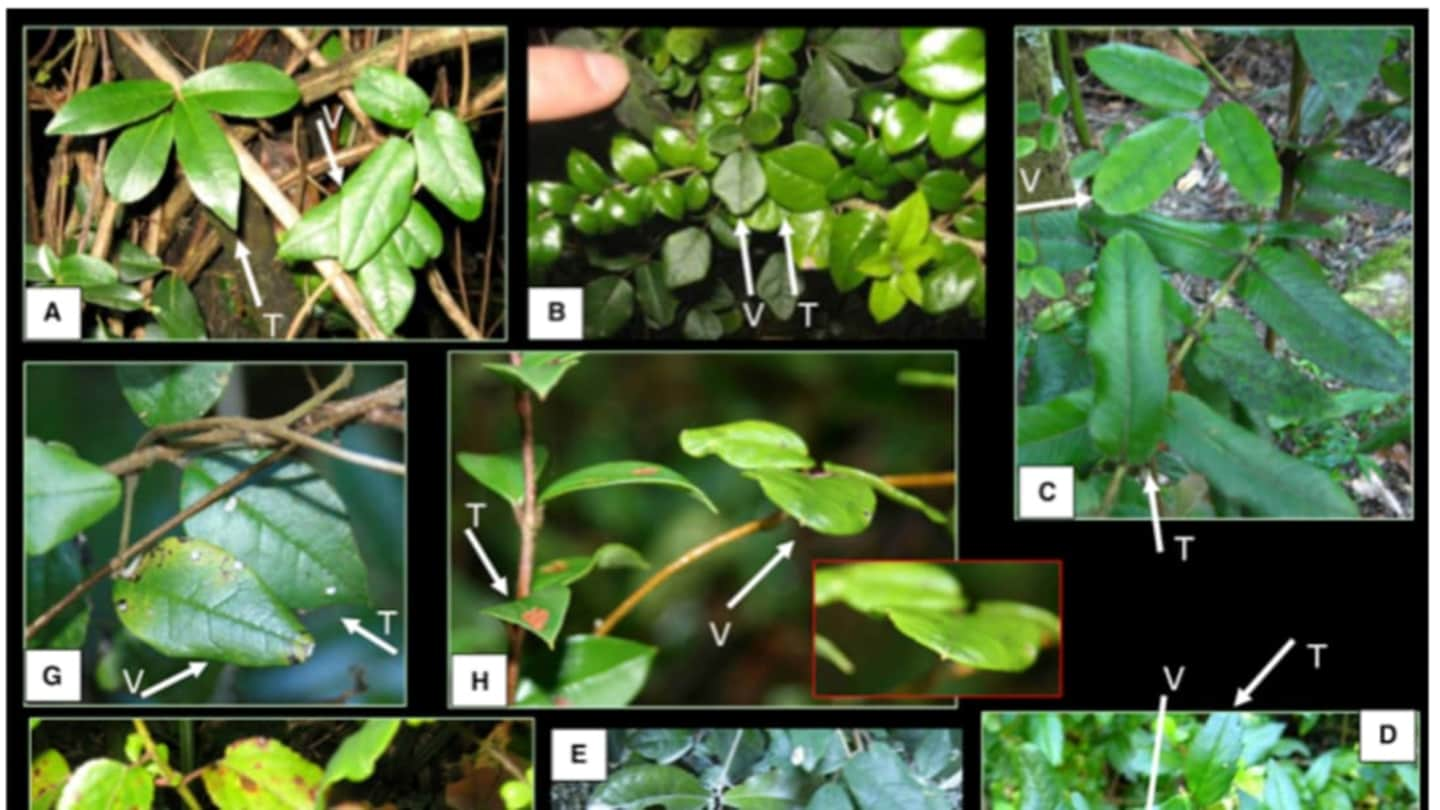
The Boquila trifoliolata vine is a botanical enigma wrapped in a leafy disguise. This South American marvel possesses an uncanny ability to mimic not only the shape and color of its host plants but also their intricate Vein Patterns. Imagine a vine flawlessly adopting the appearance of a different plant, becoming virtually indistinguishable from its surroundings. It’s as if this vine has a secret code to decipher the visual language of its chosen host.
Scientists are still piecing together the puzzle of how Boquila achieves such Remarkable Mimicry. Some theories suggest that it might sense airborne chemicals released by its Host Plant, Allowing It To “read” the chemical blueprint of its surroundings. Others propose that the vine borrows Genetic Information From Its Host, effectively adopting a portion of its host’S Genetic Code. Regardless of the mechanism, this phenomenon highlights the remarkable plasticity and adaptability of nature.
The Boquila trifoliolata serves as a powerful reminder that deception can be an effective survival strategy in the Plant World. Its ability to seamlessly blend into its surroundings allows it to evade predators and thrive in its often-Competitive Environment. This vine’s camouflage is a testament to the incredible ingenuity of nature, showcasing the endless possibilities that emerge when plants harness the power of mimicry.
Sundews: Luring Prey With Sticky Traps
Sundews, also known as Drosera plants, are carnivorous marvels that use a sticky trap to ensnare unsuspecting insects. These fascinating plants bear glistening droplets of a sweet-smelling mucilage on their leaves, resembling dewdrops in the morning sun. These glistening traps act like miniature flypaper, attracting a variety of insects with their alluring aroma and appearance. As a hapless fly or mosquito lands on a sundew’s leaf, It Gets Stuck Fast, unable to escape the sticky grip.
Once ensnared, the leaves slowly curl around their prey, Further Securing Its Fate. The sundew then releases digestive enzymes that break down the insect’s body, providing the plant with essential nutrients like nitrogen and phosphorus, which are often scarce in their Boggy Habitats. Imagine a miniature Venus Flytrap, meticulously crafting its own sticky snare to capture unsuspecting insects for a delicious meal!
These carnivorous plants demonstrate nature’s ingenuity in adapting to challenging environments. Sundews, with their glistening traps and alluring aromas, showcase the diverse strategies employed by Plants To Ensure Their Survival.
 Therapy Robots: Revolutionizing Emotional Wellbeing
Mimicry For Survival: Caladium steudneriifolium and the Mining Moths
In the intricate dance of life, some plants have evolved ingenious strategies to deter herbivores and safeguard their survival. The Caladium steudneriifolium plant, with its vibrant foliage, showcases a remarkable example of mimicry for protection. This tropical beauty harbors a secret weapon: it mimics the appearance of already-Eaten Leaves, cleverly signaling to potential predators that it’s not a tasty treat.
Imagine a moth caterpillar searching for a succulent leaf to munch on, only to encounter a Caladium with leaves that appear nibbled and unappetizing. This clever disguise tricks the unsuspecting caterpillar into believing the plant has Already Been Consumed, deterring it from taking a bite. The Caladium’s mimicry is a testament to the power of deception in the plant world, showcasing how plants can utilize visual Cues To Their Advantage.
This fascinating example demonstrates that nature’s solutions often involve unexpected twists and turns. The Caladium steudneriifolium teaches us that sometimes, appearing less appealing can be the Key To Survival.
The Bee Orchid’s Devious Pollination Trick
The bee orchid, aptly named for its astonishing resemblance to a female bee, Showcases Nature’s artistry in deception. This intricate flower has evolved to mimic the appearance and scent of a female bee, tricking male bees into attempting courtship rituals. Imagine a bee buzzing around, mistaking a flower for its potential mate!
This clever ruse ensures pollination as the unsuspecting male bee attempts to mate with the orchid. As it brushes against the flower’s pollen-Laden Parts, collecting pollen in the process, the bee inadvertently helps transfer the orchid’s reproductive material to other flowers. The orchid benefits from this unwitting assistance, while the bee remains none the wiser, caught up in a floral game of seduction and deception.
This captivating example highlights the intricate relationships that exist between plants and pollinators. The bee orchid’s devious pollination trick is a testament to the power of mimicry in the plant world, demonstrating how flowers can use their appearance and scent to manipulate their environment for reproductive success.
Living Amongst Rocks: The Lithops’ Remarkable Camouflage
In the harsh, arid landscapes of southern Africa, a remarkable plant has evolved to thrive amidst the seemingly barren terrain: the Lithops. These fascinating succulents, Known As “Living Stones,” possess an uncanny ability to blend seamlessly with their rocky surroundings. Imagine a tiny pebble, Perfectly Camouflaged Amongst Its Brethren, yet harboring a vibrant life within.
Lithops have mastered the art of deception. Their leaves are plump and rounded, resembling pebbles in size, shape, and color. They often sport grey or brown hues and intricate patterns that mimic the textures of surrounding rocks. This remarkable camouflage serves as both protection from hungry herbivores and a crucial survival strategy in an environment where water is scarce.
These unique plants demonstrate nature’s ingenuity in adapting to challenging environments. The Lithops, with their stony disguise, remind us that even in the Most Desolate Landscapes, life finds a way to flourish, often through remarkable acts of camouflage.