
The extinction of species is a poignant reminder of the fragility of our planet’s biodiversity. Among the most heart-wrenching stories is that of the Pinta giant tortoise, whose last known representative, Lonesome George, has become a symbol of conservation’s challenges. This article delves into the history of the Pinta giant tortoise, the fate of Lonesome George, and the ongoing debates about the possibilities of de-extinction.
The Pinta giant tortoise: a brief history
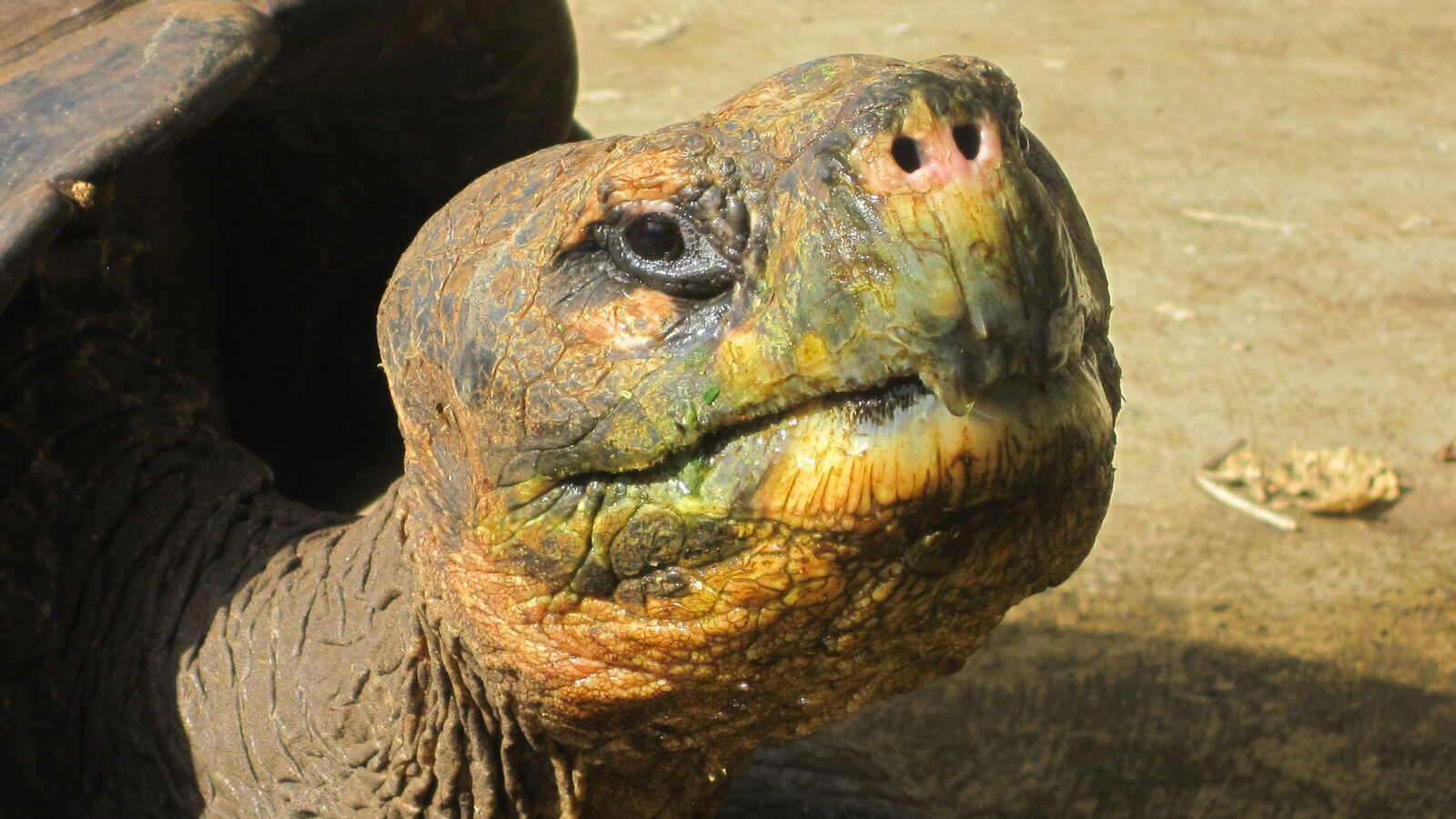
The Pinta giant tortoise (Chelonoidis abingdonii), native to Pinta Island in the Galápagos Archipelago, was once a thriving species. This island was home to the only population of its kind, flourishing until the mid-19th century. Unfortunately, the advent of whaling and the introduction of non-native species led to a dramatic decline in its population.
Prior to its decline, the Pinta giant tortoise played a significant role in the ecosystem of its island, contributing to the balance of its habitat. However, the arrival of humans brought about catastrophic changes:
- Whaling and exploitation: Whalers and sailors hunted these tortoises for food, leading to significant casualties.
- Invasive species: Goats were introduced to the island, which competed with tortoises for limited resources.
- Habitat destruction: Human activity caused alterations in the tortoise’s natural habitat, further contributing to their decline.
By the early 20th century, the Pinta giant tortoise was believed to be extinct, marking a significant loss in biodiversity.
Lonesome George: the last of his kind
In a striking twist of fate, a glimmer of hope appeared in 1971 when a Hungarian scientist, József Vágvölgyi, discovered a single Pinta giant tortoise on Pinta Island. This tortoise, later named Lonesome George, became the last known individual of his species. His discovery sparked a series of conservation efforts aimed at saving the species.
George was relocated to the Tortoise Breeding and Rearing Center in Puerto Ayora, where he spent over four decades. During this time, numerous attempts were made to breed him:
- Searching for a mate: Initial efforts focused on finding a female Pinta giant tortoise, but the search proved fruitless.
- Hybrid breeding attempts: Conservationists considered breeding George with genetically similar species, such as the Wolf Volcano giant tortoise, yet these efforts also failed.
On June 24, 2012, George was found dead in his enclosure, marking the end of an era. He was estimated to be over 100 years old. In 2015, the Pinta giant tortoise was officially declared extinct by the International Union for Conservation of Nature, as comprehensive surveys confirmed that no other individuals remained.
The implications of extinction
The extinction of the Pinta giant tortoise serves as a potent reminder of the fragility of ecosystems and the consequences of human actions. It raises critical questions about our role in conservation and the protection of biodiversity:
- Responsibility: How can humans mitigate their impact on endangered species?
- Conservation challenges: What are the effective strategies for preserving species at risk?
- Public awareness: How do we educate society about the importance of biodiversity?
Lonesome George’s story encapsulates the urgent need for global conservation efforts, highlighting the delicate balance of natural ecosystems.
 Uninhabited Islands: Exploring Worlds Without People
Can the Pinta giant tortoise return from extinction?
Although the Pinta giant tortoise is officially extinct, some scientists believe there is a small chance for its resurrection. In 2013, researchers investigating the genetic material of tortoises in Banks Bay, Isabela Island, discovered 17 tortoises with DNA traces of Chelonoidis abingdonii. This discovery sparked discussions about the potential for de-extinction:
- Hybridization efforts: Could breeding these hybrids with existing tortoise species lead to a population resembling the original Pinta giant tortoise?
- Scientific debates: The ethics and practicality of resurrecting extinct species are contentious issues within the scientific community.
- Previous de-extinction attempts: Past efforts to revive species like the woolly mammoth or the Tasmanian tiger have faced significant challenges, raising questions about their feasibility.
Although the body of Lonesome George has been preserved and displayed at the Fausto Llerena Breeding Center, his legacy remains a powerful symbol of conservation. Inscribed outside his enclosure are words that resonate with urgency: “Whatever happens to this single animal, let him always remind us that the fate of all living things on Earth is in human hands.”
Lessons learned from the extinction of the Pinta giant tortoise
The story of the Pinta giant tortoise and Lonesome George offers several key lessons for conservation efforts globally:
- Importance of biodiversity: The loss of any species disrupts ecosystems and can lead to unforeseen consequences.
- Proactive conservation: Early intervention and active management of species at risk are crucial to prevent extinction.
- Collaboration: Global cooperation among scientists, governments, and communities is essential for effective conservation strategies.
As we reflect on the fate of the Pinta giant tortoise, it becomes imperative that we take action to protect the remaining species at risk. The story serves as both a warning and a call to action, reminding us of the responsibility we hold in ensuring a sustainable future for our planet.