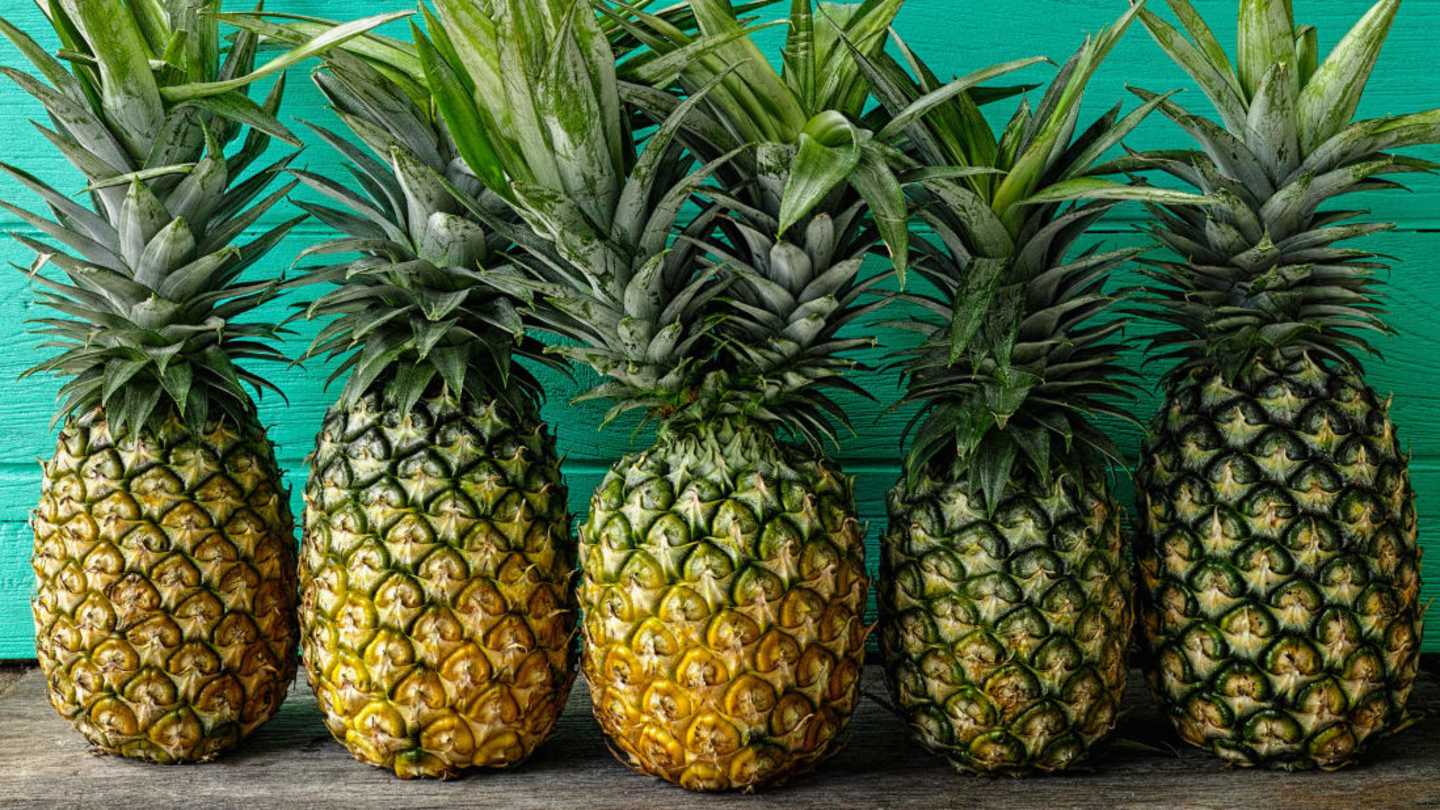
The pineapple, with its spiky crown and juicy sweetness, is a beloved tropical fruit enjoyed worldwide. But have you ever wondered why we call it a pineapple at all? Most languages use the term “ananas,” derived from the indigenous Tupí word for “Excellent Fruit.” This makes sense, considering the pineapple’s deliciousness!
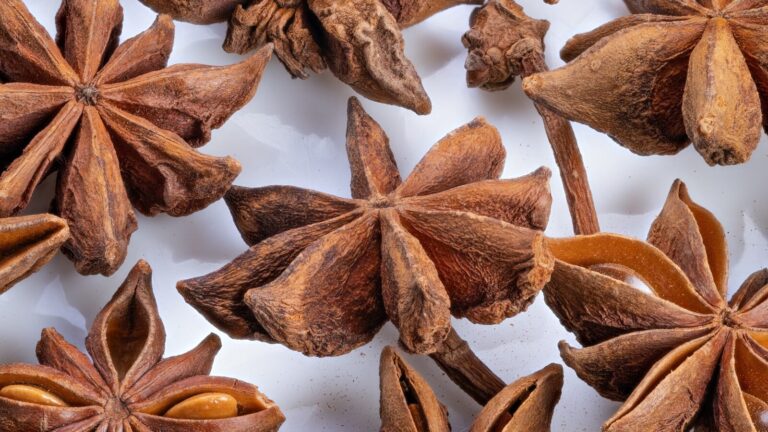
The origin of the word pineapple lies in a bit of linguistic quirk. When Christopher Columbus first encountered the fruit on his voyage to the Americas, He Dubbed It “piña de Indias” due to its resemblance to a Pine Cone. This name was shortened to “pínas” in Spanish and adopted by Portuguese, who were influenced by Columbus’ Native Tongue. Meanwhile, English opted for “pineapple,” likely because the term already existed for pine cones.
It seems people preferred using existing Words Over Imported Ones. This linguistic preference ultimately led to “pineapple” prevailing, even though both terms coexisted until the 19th century. So next time you savor a slice of this tropical delight, Remember Its Fascinating Journey From “excellent fruit” to “pineapple.”
The Ananas vs. Pineapple Dichotomy
For a long time, the pineapple fruit existed in two Linguistic Worlds: “ananas” and “pineapple.” While most languages adopted the former, English stuck with its chosen term, creating a peculiar dichotomy. This difference reflects the diverse paths taken by various languages, influenced by their own histories and Cultural Exchanges.
The coexistence of these terms highlights a fascinating aspect of language evolution. Both words eventually spread throughout their Respective Linguistic Spheres, becoming widely recognized and accepted. However, “pineapple” ultimately triumphed in English-Speaking Countries, demonstrating the powerful influence of existing vocabulary and linguistic preferences.
Interestingly, this isn’t an isolated phenomenon. Many fruits and plants bear different names in various languages, showcasing the fascinating diversity and complexity of global communication.
Origins of the Tupí Word “Ananas”
Delving deeper into the story of the pineapple’s name, we encounter the fascinating Tupí word “ananás.” This indigenous South American term, spoken by a diverse group of people in present-day Brazil and surrounding regions, Held Significant Cultural Weight.
The origin of pineapple name can be traced back to the Tupí language, spoken centuries before European contact. “Ananas” beautifully captures the essence of this fruit: It Means “Excellent Fruit.” This simple yet profound description speaks volumes about the reverence and appreciation the indigenous peoples had for nature’s bounty.
Their word spread throughout the Americas, eventually reaching Europe with the arrival of Christopher Columbus and his crew. “Ananas” became a widely recognized term in Various Languages, solidifying its place as a testament to the rich linguistic heritage of pre-colonial South America.
Columbuss Influence and Piña De Indias
When Christopher Columbus landed in the Americas, he encountered a fruit unlike anything he’D Seen Before. Its spiky exterior and sweet, Juicy Flesh Captivated His Imagination. Recognizing its resemblance to a pine cone, Columbus christened this new discovery “piña de Indias,” meaning “pine of the Indies.”
This moniker quickly found its way back to Europe, introducing the world to a taste of the tropics. The name reflected Columbus’ perspective, highlighting his perception of the fruit through the lens of familiar European flora. It was a common practice for explorers to compare unfamiliar discoveries to known objects in their own cultures.
This initial naming convention paved the way for variations across different languages. While Portuguese adopted “ananas,” influenced by Columbus’ Native Tongue, Spanish shortened it to “pínas,” setting the stage for the diverse Linguistic Landscape We See Today.
English Language Preferences
In the realm of language, choices are often influenced by existing structures and preferences. The English language, known for its penchant for adapting and borrowing words, took a unique path with the pineapple. While “ananas” was gaining traction in many other languages, English opted for “pineapple.”
This linguistic divergence likely stemmed from the fact that “pineapple” already existed as a term for pine cones before being applied to the fruit. English speakers seemed more inclined to use existing words than to adopt Newly Imported Terms. This preference for familiar vocabulary over foreign ones played a significant role in shaping how we refer to this tropical treat.
The enduring popularity of “pineapple” in English-speaking cultures reflects the power of linguistic inertia and cultural preference. Sometimes, established words simply hold stronger sway, Even When Alternative Options Exist.
Pineapple: A Lasting Legacy
The journey of the pineapple’s name is a captivating tale that Weaves Together Linguistic History, Cultural Exchange, and the enduring power of language. While “ananas” might hold a certain exotic charm, “pineapple” has firmly established itself as the universally recognized moniker in English-Speaking Regions.
This linguistic legacy speaks volumes about the fruit’s Global Impact. From its humble origins in tropical South America to its widespread cultivation and consumption today, the pineapple has become a beloved symbol of summer, hospitality, and culinary versatility. Its name, a product of cultural encounters and Linguistic Evolution, Continues To Echo Through Time, connecting us to the rich tapestry of human language and history.
The next time you savor a slice of this juicy fruit, take a moment to appreciate its Fascinating Journey From “ananás” to “pineapple,” a testament to the ever-changing nature of words and their ability to shape our understanding of the world around us.