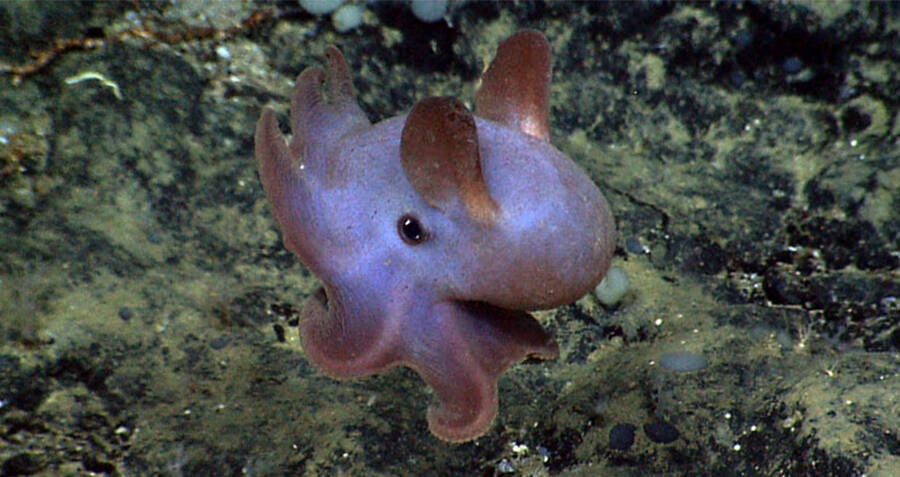
The depths of the ocean are home to countless mysterious creatures, but few are as fascinating as the Elephant Octopus. This unique cephalopod, with its large, ear-like fin extensions, captivates researchers and marine enthusiasts alike. In this article, we delve into the intriguing world of the Elephant Octopus: exploring the Dumbos deep sea home, uncovering its behaviors, habitats, and the challenges it faces in an increasingly changing environment.
As we journey into the dark waters where the Elephant Octopus thrives, we will highlight its adaptations that allow it to survive in such extreme conditions. From its remarkable camouflage abilities to its enigmatic feeding strategies, this creature exemplifies the wonders of marine evolution and the importance of preserving its deep-sea habitat.
The Fascinating World of the Elephant Octopus
The Elephant Octopus, or Grimpoteuthis, is not only a marvel of the deep but also serves as a critical indicator of the health of ocean ecosystems. Found mainly in the abyssal zones of the Pacific and Atlantic Oceans, these creatures exhibit fascinating characteristics that make them stand out in the cephalopod family. Their unique adaptations allow them to navigate the challenges of extreme depths, where pressure and darkness dominate.
One of the most intriguing aspects of the Elephant Octopus is its reproductive behavior. During mating, females may lay up to 200 eggs, which they carefully tend to, showcasing a remarkable level of parental investment. The hatchlings, once free, must quickly adapt to the deep-sea environment, relying on their innate abilities to camouflage and evade predators.
Additionally, the Elephant Octopus employs a variety of feeding strategies that highlight its adaptability. Its diet primarily consists of small crustaceans and fish, which it captures using its specialized tentacles. The following are some key features of its feeding habits:
- Camouflage: Blending into the environment to ambush prey.
- Jet Propulsion: Rapid movement to chase down elusive food sources.
- Arm Coordination: Utilizing multiple arms simultaneously for effective hunting.
Unfortunately, the Elephant Octopus faces numerous threats due to climate change and human activities. Ocean acidification and rising temperatures can disrupt their delicate habitat, leading to a decrease in food availability and altering their reproductive cycles. Conservation efforts are essential to ensure that this enchanting creature continues to thrive in its dark, mysterious home beneath the waves.
Understanding the Unique Adaptations of the Dumbo Octopus
Understanding the unique adaptations of the Dumbo Octopus involves appreciating how it navigates its deep-sea habitat. One of its most notable features is its large, ear-like fins, which not only provide propulsion but also help it maneuver gracefully through the water. This adaptation is essential for survival in the abyssal zones, where currents can be strong and unpredictable.
Another fascinating adaptation is the Dumbo Octopus’s ability to regulate its buoyancy. Unlike many other cephalopods, it lacks a gas-filled chamber, allowing it to maintain a neutral buoyancy effortlessly. This adaptation enables the octopus to hover mid-water, conserving energy while searching for prey.
The Dumbo Octopus also showcases extraordinary camouflage techniques. Its skin contains specialized chromatophores that allow it to change color and texture, helping it blend into its surroundings. This ability not only aids in evading predators but also plays a crucial role in its hunting strategy, making it a stealthy predator in the depths of the ocean.
 Man Who Drank Too Many Energy Drinks Survives Brain Hemorrhage
Lastly, the Dumbo Octopus employs a unique method of feeding through tentacle coordination. It uses its arms to create a suction effect to capture prey, showcasing a level of dexterity that is remarkable for a creature in such an extreme environment. These adaptations collectively highlight the evolutionary marvel that is the Dumbo Octopus, allowing it to thrive where few other creatures can.
Habitat Exploration: Discovering the Deep Sea Home of the Elephant Octopus
The habitat of the Elephant Octopus is primarily situated in the deep ocean, particularly in the abyssal zones where light barely penetrates. These regions are characterized by extreme pressure, cold temperatures, and unique geological features, such as underwater mountains and trenches. The Elephant Octopus has adapted remarkably to thrive in these challenging conditions, allowing it to inhabit a diverse range of environments within the deep sea.
Exploring the deep sea home of the Elephant Octopus reveals several key characteristics of its habitat. The following features contribute to its survival:
- Depth Range: Typically found at depths of 1,000 to 4,000 meters.
- Substrate Diversity: Prefers soft substrates like mud and sand for burrowing.
- Temperature Variability: Lives in consistently cold temperatures, around 2 to 4 degrees Celsius.
- Oxygen Levels: Adapted to low-oxygen environments, crucial for its survival.
One of the most critical aspects of the Elephant Octopus’s habitat is its unique ecological niche. It plays an essential role in the food web, serving both as a predator and prey within its environment. The interconnectedness of deep-sea ecosystems underscores the importance of preserving the habitat of creatures like the Elephant Octopus, as any disruption can have cascading effects on the marine ecosystem.
As researchers continue to explore the depths of the ocean, the challenges facing the Elephant Octopus’s habitat become increasingly apparent. Pollution, deep-sea mining, and climate change pose significant threats to this enigmatic cephalopod. Protecting its deep-sea home is vital not only for the Elephant Octopus but also for the overall health and stability of the marine ecosystem it inhabits.
The Diet and Feeding Habits of Dumbo Octopuses
The diet of the Dumbo Octopus, or Grimpoteuthis, is primarily composed of small benthic creatures, showcasing its role as a crucial predator in the deep-sea ecosystem. These fascinating cephalopods mainly consume crustaceans, small fish, and other invertebrates, utilizing their unique hunting techniques to capture prey effectively. Their feeding habits are adapted to the low-light conditions of their environment, allowing them to remain stealthy while searching for food.
One of the most notable feeding strategies employed by the Dumbo Octopus is its ability to use its tentacles with precision. The octopus employs a technique called “suction feeding,” where it creates a vacuum using its arms to draw in prey. This method not only highlights the octopus’s dexterity but also minimizes energy expenditure while hunting in such a challenging habitat.
Additionally, the Dumbo Octopus is known for its opportunistic feeding behavior. It frequently scavenges for food, taking advantage of any available resources. This is particularly important in the deep-sea environment, where food sources can be scarce and unpredictable. The following features enhance its feeding efficiency:
- Stealthy Approach: Utilizing camouflage to blend into the ocean floor, allowing for surprise attacks.
- Versatile Diet: Adapting to whatever prey is available, from small fish to detritus.
- Low Metabolic Rate: Conserving energy ensures it can hunt effectively even in nutrient-sparse environments.
Understanding the diet and feeding habits of the Dumbo Octopus is essential for recognizing its ecological role. As it preys on various organisms, it helps maintain a balance within the deep-sea food web. Protecting its habitat and food sources is vital for the preservation of this remarkable species and the overall health of deep-sea ecosystems.
Conservation Status: Protecting the Elephant Octopus in Its Natural Environment
The conservation status of the Elephant Octopus is a growing concern as its habitat faces multiple threats. Human activities, including deep-sea mining and pollution, have the potential to disrupt the delicate balance of its ecosystem. Additionally, climate change poses significant risks through rising ocean temperatures and acidification, which can adversely affect both the Elephant Octopus’s food sources and reproductive success. Therefore, understanding the importance of conservation measures is crucial for safeguarding this unique species.
Effective conservation strategies for the Elephant Octopus include establishing marine protected areas (MPAs) that limit human impact in critical habitats. These designated zones can help to preserve the fragile ecosystems where the Elephant Octopus thrives. Additionally, international cooperation is necessary to monitor and manage deep-sea activities, ensuring that the ecological integrity of their environment is maintained. The following actions can enhance conservation efforts:
- Implementing stricter regulations on deep-sea fishing.
- Conducting research to better understand the ecological role of the Elephant Octopus.
- Raising public awareness about the importance of deep-sea habitats.
Moreover, ongoing research initiatives are essential to track the population dynamics of the Elephant Octopus and assess the health of their habitats. By studying their behavior and interactions within the ecosystem, scientists can gain valuable insights into the impacts of environmental changes. This knowledge can inform future conservation policies and strategies aimed at protecting not just the Elephant Octopus but the entire deep-sea community it is part of.
In conclusion, protecting the Elephant Octopus and its natural environment is a multifaceted challenge that requires a concerted effort from scientists, policymakers, and the public. By prioritizing the preservation of deep-sea ecosystems, we can ensure that future generations will continue to marvel at the wonders of this extraordinary creature and the mysterious depths it calls home.
Myths and Facts About the Dumbo Octopus
The Dumbo Octopus has inspired a wealth of myths and misconceptions, often overshadowing the reality of this fascinating creature. Many believe that its adorable appearance means it is harmless, but in truth, like all octopuses, it has unique defense mechanisms. For instance, the Dumbo Octopus can release ink when threatened, though it prefers to rely on its camouflage to avoid predators instead of confrontation.
Another common myth is that Dumbo Octopuses are slow and clumsy swimmers. In reality, their large fins allow for agile movement in the water, enabling them to navigate effortlessly through the deep sea. Their ability to control buoyancy also contributes to their remarkable swimming skills, making them effective hunters in their environment.
When it comes to reproduction, some might think that the Dumbo Octopus lays many eggs, but the truth is that they typically have a smaller brood size. Female Dumbo Octopuses may lay a few dozen eggs, which they tend to diligently. The nurturing behavior displayed during this time is a testament to their unique parental care, contrasting with the notion that all cephalopods abandon their young.
In summary, while the Dumbo Octopus is often romanticized in popular culture, understanding the facts about its biology and behavior is crucial for appreciating this remarkable species. By debunking myths and sharing accurate information, we can raise awareness about the importance of protecting the Dumbo Octopus and its deep-sea habitat.