In the summer of 2025, an intriguing natural phenomenon captured the attention of scientists and environmentalists alike: the emergence of a new island in Alaska’s Glacier Bay National Park. As climate change continues to reshape our planet, this event stands as a stark reminder of the ongoing transformations occurring in some of the Earth’s most remote regions. Here, we delve into the details of this newly formed landmass, its origins, and the broader implications of its appearance.
New island discovery in Glacier Bay
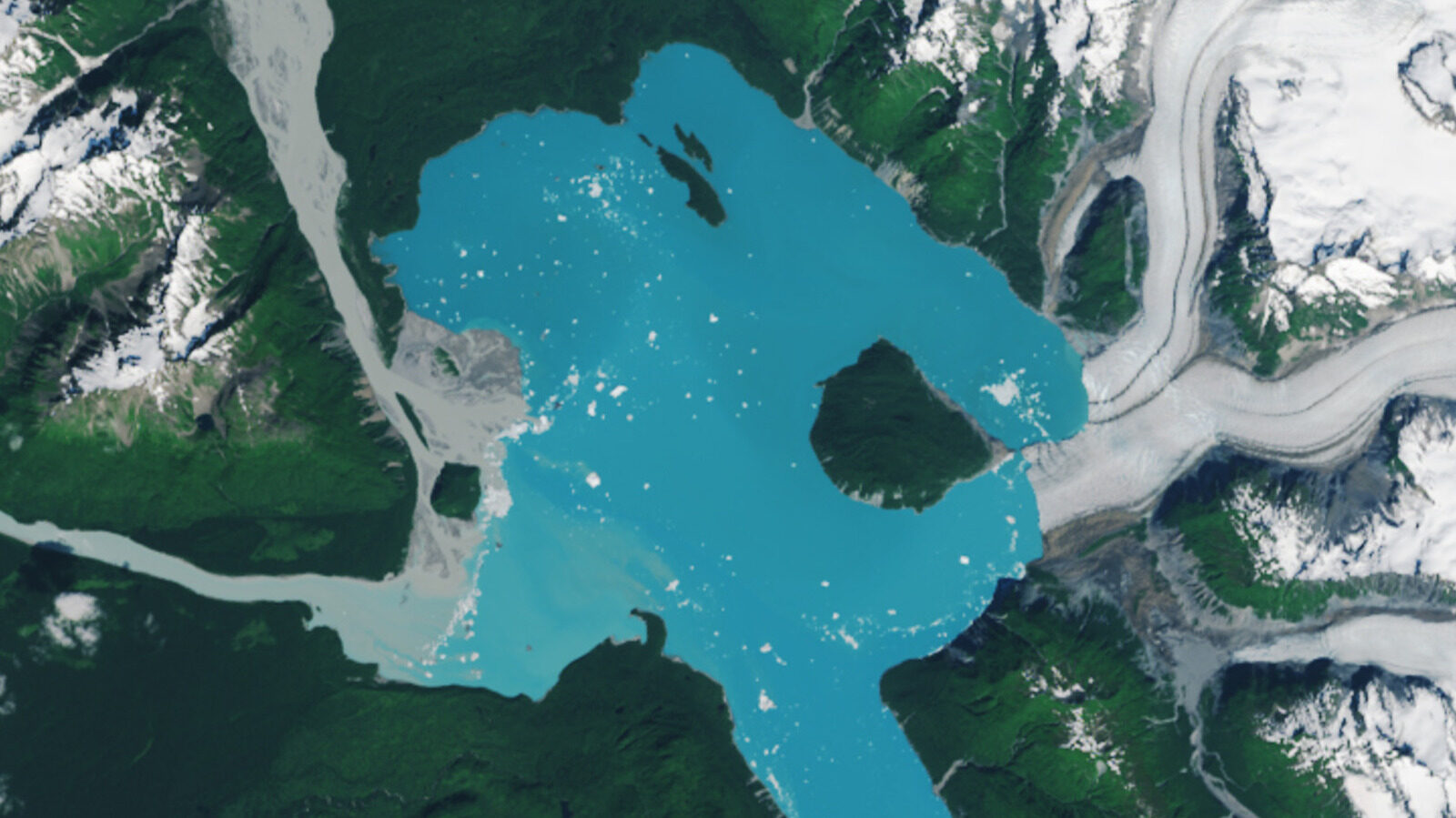
NASA satellites captured stunning images of an island that had not existed previously, located in Glacier Bay National Park, which hugs the Gulf of Alaska. These captivating images, released in August, depict a small island emerging from the eastern side of Alsek Lake. Spanning merely two square miles, the significance of this island extends far beyond its size; it represents a critical point of scientific interest.
While the formation of new islands is not an uncommon occurrence globally, most of these landmasses are too small to register on the radar and often disappear beneath the waves shortly after their formation. Typically, new islands arise from underwater volcanic eruptions. However, the island in Glacier Bay has a different backstory. Instead of emerging from the sea, it was created as Alsek Lake expanded, ultimately surrounding existing land.
The historical backdrop of Alsek Lake
To understand the emergence of this new island, it’s essential to look at the history of Alsek Lake. A century ago, this body of water was nearly nonexistent, dominated instead by the massive Alsek Glacier. Over the past several decades, the glacier has been retreating significantly due to climate change, resulting in the gradual formation of Alsek Lake. As the glacier melted, a small mountain known as Prow Knob became visible, and by the summer of 2025, the glacier completely detached, leaving the mountain encircled by the lake and officially designating it as an island.
- Alsek Lake’s growth is a direct indicator of glacial retreat.
- Historical records show a dramatic reduction in glacier size over the last century.
- Prow Knob’s emergence highlights the rapid changes in glacial landscapes.
Impacts of climate change on Glacier Bay
The story of Alaska’s newest island serves as a microcosm of the larger narrative surrounding global warming and its effects on our planet. NASA Earth Observatory has documented ongoing glacial retreat in various regions since the 1990s. This situation has escalated alarmingly over the last decade, leading researchers to anticipate such changes. The detachment of Prow Knob from the Alsek Glacier was a predicted event, and its confirmation raises significant environmental concerns.
In the past 41 years, Alsek Lake has nearly doubled in size, expanding from 17 square miles to 29 square miles. This substantial increase in water volume can be attributed directly to glacial melt, emphasizing the alarming rate at which ice is disappearing, particularly in Alaska, where temperatures are rising at approximately twice the global average.
Future implications of the new island
While the emergence of this new island may seem like a natural curiosity, it carries dire implications for the environment. The separation of Prow Knob has resulted in a less stable Alsek Glacier. Scientists predict that as the glacier continues to break apart, larger chunks of ice will detach, leading to the formation of icebergs within the lake.
- The instability of the glacier may accelerate the rate of ice melt.
- Increased iceberg formation could contribute to rising water levels in Alsek Lake.
- This phenomenon is indicative of broader climate trends affecting polar regions.
As the icebergs melt, they will contribute further to the increasing water levels, exacerbating the changes in the ecosystem surrounding Glacier Bay. This feedback loop illustrates the interconnectedness of climate systems and the urgent need for climate action on a global scale.
Scientific response and public awareness
The discovery of this new island has sparked renewed interest in the study of glacial dynamics and climate change. Researchers are keen to monitor the ongoing transformations in Glacier Bay and similar regions as a way to understand better the implications of these changes for local ecosystems and global climate patterns.
 Uninhabited Islands: Exploring Worlds Without People
Public awareness also plays a crucial role in addressing climate change. As stories like the emergence of this island become more commonplace, they serve as a call to action for individuals, communities, and governments worldwide. Here are a few ways to contribute:
- Support local and global environmental initiatives.
- Stay informed about climate science and its implications.
- Advocate for policies aimed at reducing greenhouse gas emissions.
The role of technology in monitoring climate change
Advancements in technology, particularly satellite imagery, have become vital tools for scientists studying climate change. Organizations like NASA utilize these technologies to observe and document the effects of glacial retreat and other environmental changes. The ability to capture real-time data allows researchers to analyze trends and make predictions about future developments.
Such technology not only aids in scientific research but also enhances public understanding of climate issues. By providing visual evidence of changes happening in remote locations, it fosters a deeper connection to the environmental challenges we face.
The emergence of this new island in Glacier Bay is a poignant reminder of the ongoing effects of climate change. As we witness these natural phenomena transform our landscapes, it is essential to reflect on our role in mitigating their impacts and safeguarding our planet for future generations.