The natural world often presents a sobering view, with numerous species facing extinction and ecosystems in peril. However, amidst this gloom, there are remarkable stories of resilience and recovery, such as that of the Victorian grassland earless dragon. This fascinating reptile, once thought to be lost forever, is making a notable comeback, reminding us that conservation efforts can yield positive outcomes.
The story of the Victorian grassland earless dragon is not just a tale of survival; it is a testament to the dedication of conservationists and the resilience of nature. Join us as we explore the journey of this remarkable lizard from near extinction to its gradual resurgence in the Australian grasslands.
The rediscovery of the Victorian grassland earless dragon
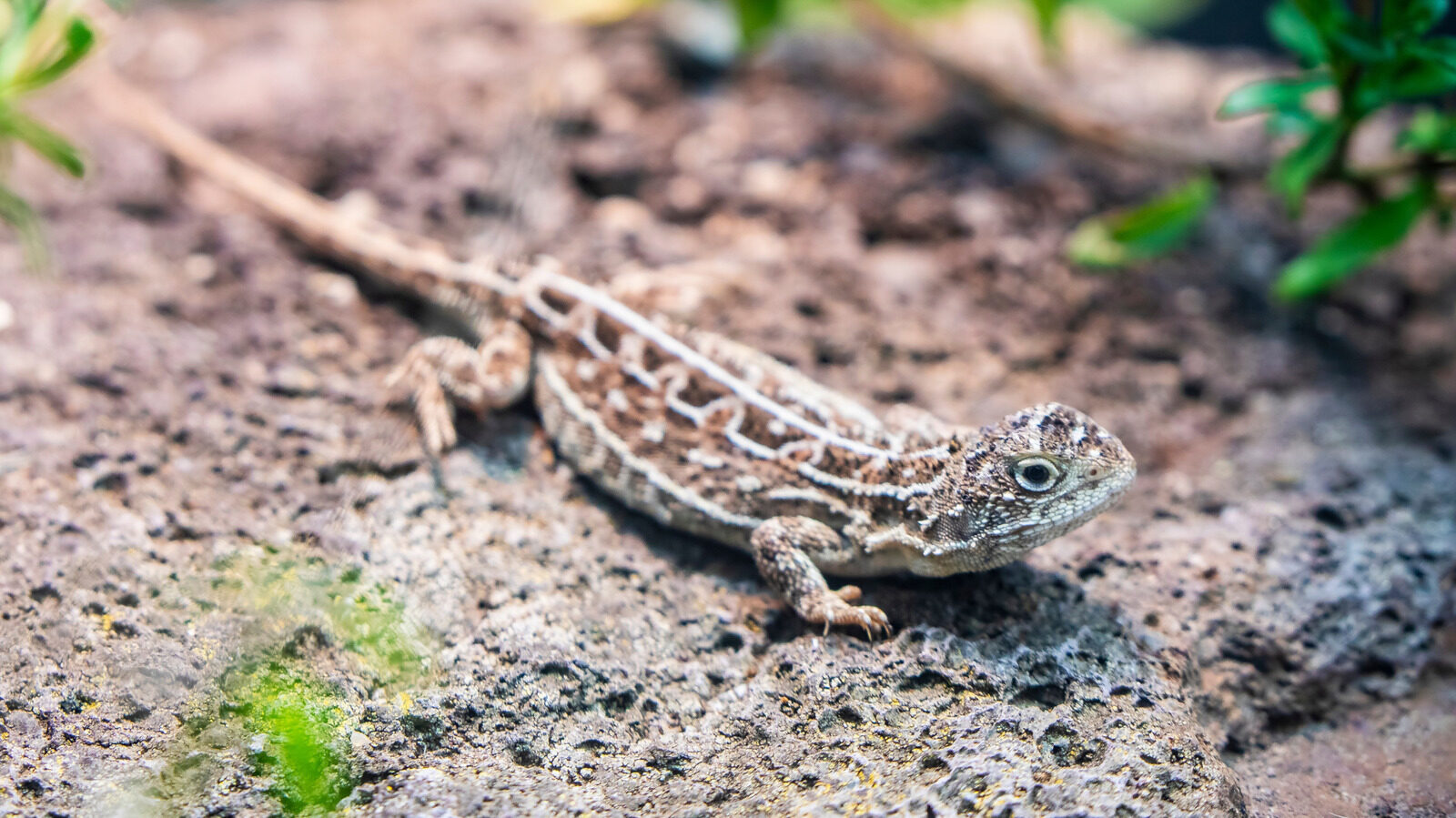
The Victorian grassland earless dragon (Tympanocryptis pinguicolla) is endemic to the temperate grasslands of southeast Australia. This unique lizard is characterized by its short, rounded head and a concealed outer ear, covered in scales, which distinguishes it from other members of the Agamidae family. Typically, these dragons can grow up to nearly 6 inches in length, showcasing a striking coloration that ranges from greyish-brown to red-brown, adorned with dark bands and blotches, complemented by cream-colored stripes along their backs and sides.
Historically, the Victorian grassland earless dragon thrived in sprawling grasslands west of Melbourne. However, the rapid urban expansion throughout the 20th century drastically reduced its population. As cities expanded, the available habitat for this species shrank, with only about 1% of its original grassland remaining today. The introduction of invasive species, like domestic cats, further exacerbated the decline, leading to the last confirmed sighting of the lizard in 1969. For decades, it was presumed extinct.
Despite initial surveys in 1988 and 1990 that yielded no results, the hope of rediscovery persisted. A pivotal study published in 2019 in Royal Society Open Science suggested that the species might have gone extinct, but researchers remained determined to explore all potential habitats before confirming such a grim fate. Then, in June 2023, the long-awaited moment arrived: the Victorian grassland earless dragon was spotted once again.
Factors leading to the species’ decline
The decline of the Victorian grassland earless dragon can be attributed to several interconnected factors:
- Urban Development: Rapid expansion of urban areas has decimated the natural habitats where these lizards thrived.
- Invasive Species: The introduction of non-native animals, particularly cats, has posed a significant threat to the survival of native fauna.
- Habitat Fragmentation: The remaining grassland areas have become isolated, making it difficult for lizard populations to connect and reproduce.
- Climate Change: Changes in weather patterns and habitat conditions have further stressed the already vulnerable ecosystems.
Addressing these issues has been crucial in the efforts to conserve the Victorian grassland earless dragon, highlighting the need for a multifaceted approach to wildlife preservation.
The Victorian grassland earless dragon is making a slow but steady comeback
As of 2023, the Victorian grassland earless dragon is classified as critically endangered under two significant legislative acts: the Victorian Flora and Fauna Guarantee Act and the federal Environment Protection and Biodiversity Conservation Act. Initially feared lost forever, the rediscovery in June 2023 marked a significant milestone in conservation efforts. The exact location of this sighting was kept confidential to safeguard the habitat, but it was confirmed to be on a privately owned grassland that had been earmarked for potential development.
Following this discovery, the Victorian and federal governments committed to investing $188,000 towards a pioneering program utilizing detection dogs to locate more individuals of this species. This initiative has proven successful, with the dogs identifying over a dozen additional lizards in the two years since the rediscovery.
 Uninhabited Islands: Exploring Worlds Without People
According to the Colossal Foundation, which collaborates with Zoos Victoria to establish a breeding program, the total count of rediscovered individuals has reached 39. Among these, 11 breeding pairs were identified, leading to the hatching of 81 dragon hatchlings. In contrast, a report from The Guardian noted that 13 individual lizards had been confirmed since the initial discovery.
The role of conservation programs in recovery
The recovery of the Victorian grassland earless dragon demonstrates the vital importance of conservation initiatives, including:
- Habitat Protection: Safeguarding existing grasslands and restoring degraded areas is essential for the survival of this species.
- Breeding Programs: Captive breeding initiatives help boost population numbers and genetic diversity.
- Public Awareness: Engaging the community in conservation efforts fosters a sense of responsibility and encourages participation in protecting local wildlife.
- Research and Monitoring: Ongoing studies are crucial for understanding the species’ ecology and ensuring effective management strategies.
The story of the Victorian grassland earless dragon is a hopeful example of what can be achieved through concerted conservation efforts. As scientists and conservationists continue to work towards the recovery of this species, their success reinforces the belief that with adequate resources and commitment, we can reverse the trends of extinction and restore biodiversity.
Future challenges and considerations for the species
Despite the promising signs of recovery, the Victorian grassland earless dragon still faces numerous challenges:
- Ongoing Habitat Loss: Continued urbanization and land development threaten the remaining habitats of the species.
- Climate Impact: Climate change poses potential risks, altering the delicate balance of their ecosystems.
- Invasive Species Management: Effective control measures for invasive species need to be implemented to protect native fauna.
Addressing these challenges will require a sustained and collaborative effort from governments, conservation organizations, and local communities. The journey of the Victorian grassland earless dragon serves as a reminder of our responsibility to protect the planet’s biodiversity and the remarkable species that inhabit it.