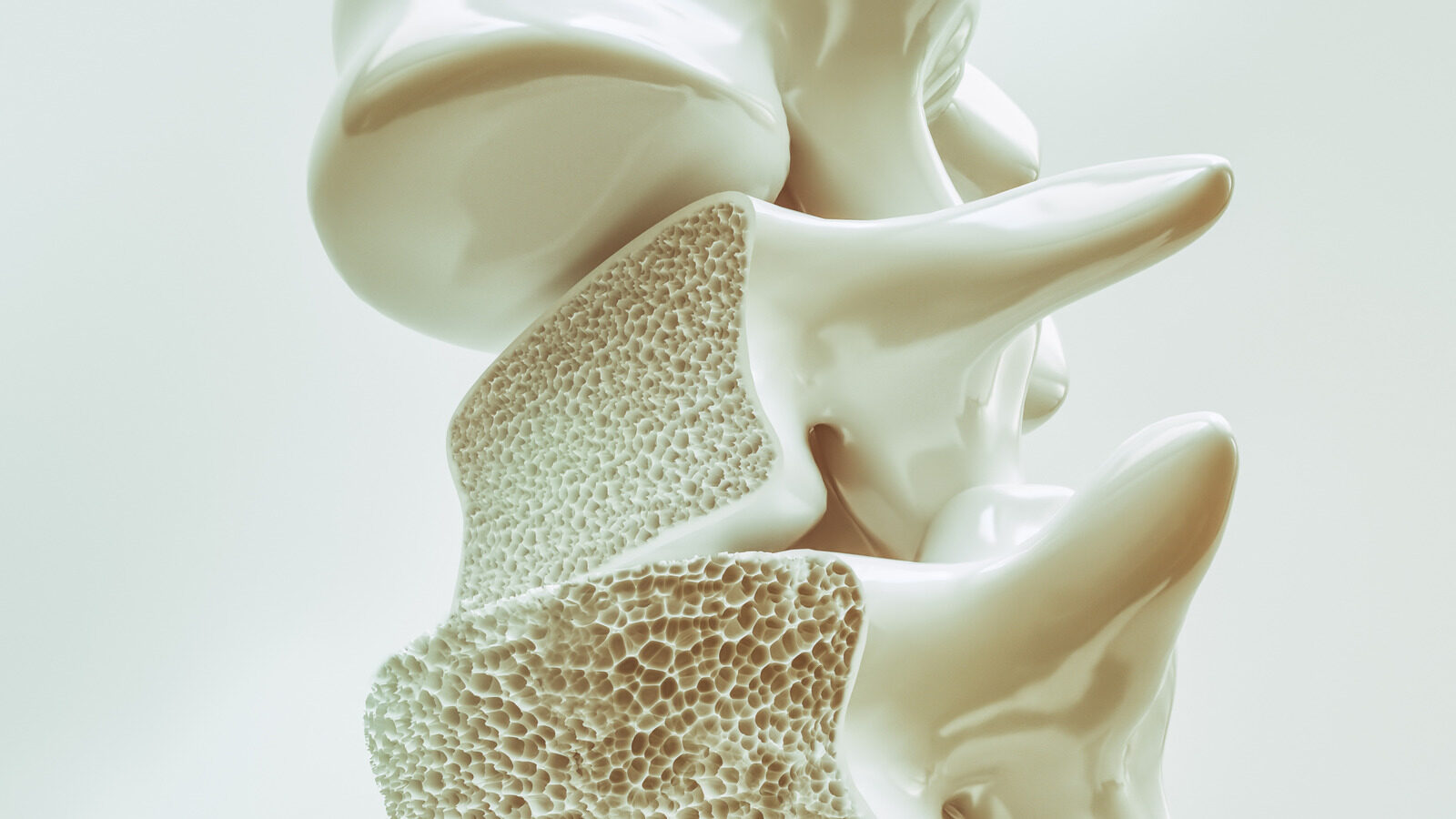
For many people, the gradual weakening of bones with age is an unavoidable aspect of life, especially for post-menopausal women who face a higher risk of developing chronic conditions like osteoporosis. This disease leads to a significant loss of bone density, resulting in bones becoming fragile and susceptible to fractures. Despite the existence of treatments aimed at slowing down this debilitating process, a definitive cure has remained elusive—until now.
Recent scientific advancements are shedding light on this pressing health issue. A collaborative study from Leipzig, Germany, and Shandong University in Jinan, China, has made a groundbreaking discovery in the quest for a potential cure for osteoporosis. Researchers have focused on a specific gene, named GPR133, which has been linked to bone density and repair. However, until now, the precise role of this gene remained unclear.
Through a series of experiments, the research team aimed to better understand how to activate this gene and its implications for bone health.
Understanding the Role of the GPR133 Gene in Bone Health
DNA serves as a blueprint for constructing proteins, with genes acting as specific recipes within that blueprint. The GPR133 gene plays a crucial role in activating osteoblasts—specialized cells responsible for building and regenerating bone tissue. These cells work in tandem with osteoclasts, which break down old or damaged bone to make way for new growth. In individuals with osteoporosis, the balance between these two types of cells is disrupted, leading to excessive bone resorption and insufficient bone formation.
Key findings from the study revealed that:
- The GPR133 gene produces a protein that signals osteoblast cells to initiate bone regeneration.
- In animal models lacking this gene, treatments that typically stimulate bone growth were ineffective, confirming the gene’s pivotal role.
- Both healthy mice and those exhibiting signs of osteoporosis showed increased bone density when administered a chemical called AP503, which activates the GPR133 gene.
This connection highlights the potential of targeting specific genes for therapeutic interventions, paving the way for innovative treatments that could reverse or mitigate the effects of osteoporosis.
Mechanisms of Osteoporosis: The Balance of Osteoblasts and Osteoclasts
To fully appreciate the significance of the GPR133 gene, it is essential to explore the mechanisms driving osteoporosis. The imbalance between osteoblasts and osteoclasts is central to the disease’s progression. In healthy bone tissue, these cells maintain a delicate equilibrium:
- Osteoblasts: These cells are responsible for bone formation and mineralization, building new bone tissue.
- Osteoclasts: Their primary function is to resorb bone, removing old or damaged tissue to allow for new growth.
In a typical scenario, osteoblast activity should balance osteoclast activity to sustain bone health. However, in individuals with osteoporosis, this balance is disrupted, leading to:
- Increased osteoclast activity, resulting in excessive bone loss.
- Decreased osteoblast activity, leading to insufficient bone formation.
Understanding this dynamic provides crucial insights into potential therapeutic strategies aimed at correcting these imbalances.
 Uninhabited Islands: Exploring Worlds Without People
Potential Implications of GPR133 Activation in Osteoporosis Treatment
The study’s findings raise significant questions regarding the future of osteoporosis treatment. If the activation of the GPR133 gene can successfully stimulate osteoblasts and improve bone density, it could lead to groundbreaking therapies. The implications for millions suffering from osteoporosis are profound:
- Potential for a gene-targeted therapy that could reverse existing bone loss.
- Opportunity to develop new drugs that harness the power of gene activation, such as AP503.
- Enhancement of quality of life for patients suffering from osteoporosis and those at risk.
While the transition from laboratory findings to clinical applications requires rigorous testing and validation, this research marks a significant step toward more effective osteoporosis treatments.
Broader Context: Aging and Bone Health
The implications of this research extend beyond osteoporosis. Aging is associated with a variety of health challenges, including diminished bone density, cognitive decline, and increased susceptibility to chronic diseases. Understanding the genetic and biological underpinnings of these issues could lead to:
- Novel interventions that slow the aging process at a cellular level.
- Drugs that not only address one condition but also promote overall health and longevity.
- Increased awareness of the importance of maintaining bone health as a component of healthy aging.
Research into gene activation and its effects on bone health could also intersect with studies on other aging-related diseases, creating a more comprehensive understanding of how to combat the effects of aging on multiple fronts.
Future Directions in Osteoporosis Research
As scientists continue to unravel the complexities of osteoporosis and its underlying mechanisms, future research will likely focus on several key areas:
- Clinical Trials: Determining the efficacy and safety of AP503 and similar compounds in human populations.
- Genetic Studies: Exploring the roles of other genes involved in bone health and their potential interactions with GPR133.
- Longitudinal Research: Understanding how lifetime exposure to risk factors influences gene expression related to bone density.
Such investigations will be essential in translating laboratory discoveries into viable treatments that can significantly improve outcomes for those affected by osteoporosis and related conditions.
Conclusion: A New Era in Osteoporosis Treatment
The discovery surrounding the GPR133 gene represents a pivotal moment in osteoporosis research, offering hope for new therapeutic strategies. By leveraging our understanding of genetics, scientists may soon develop effective treatments that not only halt the progression of osteoporosis but may also reverse its effects. As the field of genetics and medicine continues to evolve, the potential for innovative solutions to age-related diseases like osteoporosis expands, promising a healthier future for millions.