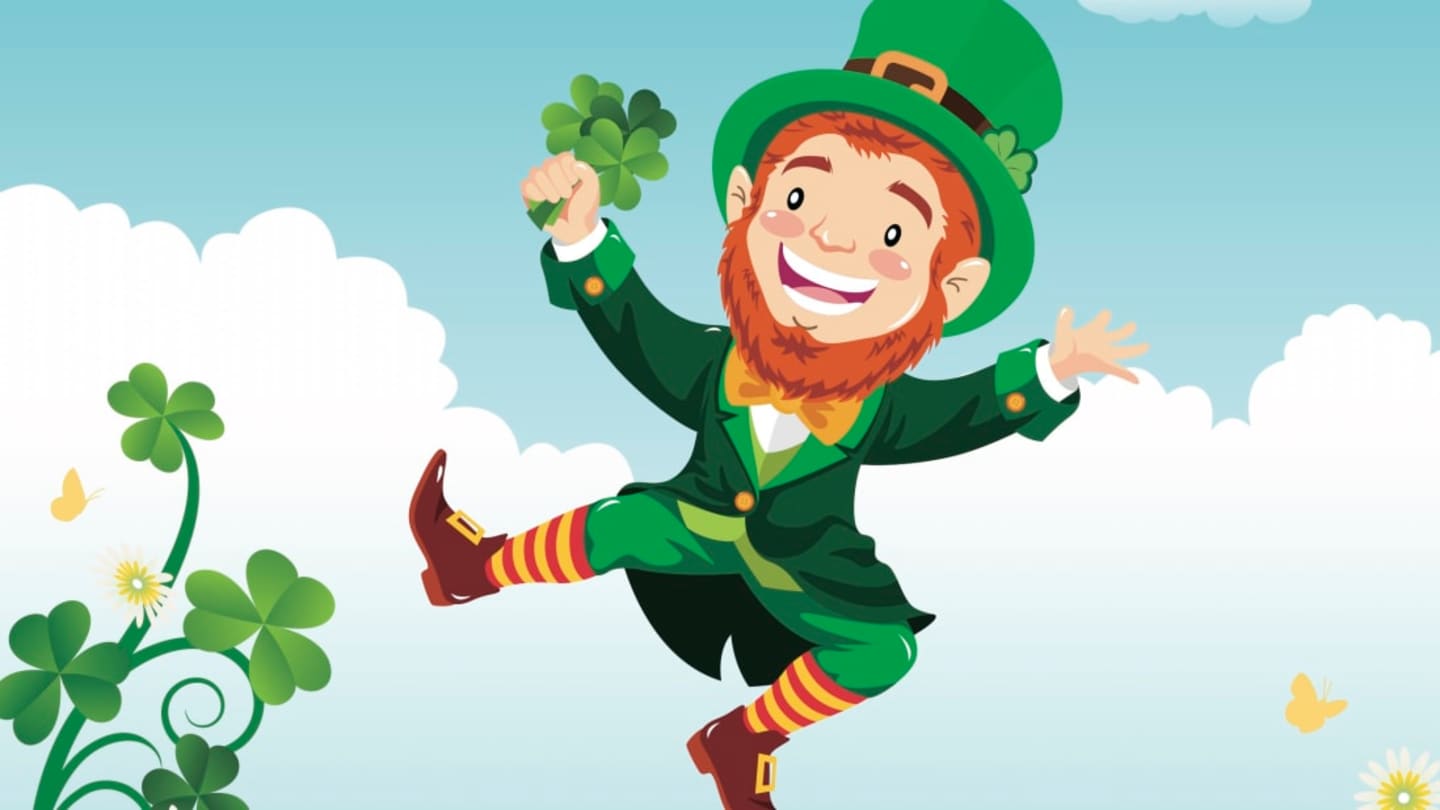
Leprechauns have captured the imaginations of people worldwide with their folklore and Mythical Charm. These tiny, shoemaking fairies are deeply intertwined with Irish culture, becoming symbols of luck and mischief. Imagine a solitary figure, small and bearded, dressed in emerald green, hammering away at his workbench. This is your typical leprechaun, a guardian of hidden treasures and keeper of ancient secrets.
While often depicted as greedy for gold, What Does Leprechauns Like Goes Beyond Mere Riches. They are said to enjoy the simple pleasures of nature, appreciating lush meadows and sparkling streams. Some believe they have a fondness for storytelling and music, sharing tales of their world with Those Who Earn Their Trust.
Their connection to St. Patrick’s Day has cemented their place in popular culture. From parades to playful decorations, leprechauns add a touch of magic to this beloved holiday. And though they may be elusive creatures, their legacy lives on through stories Passed Down Through Generations, reminding us that wonder and enchantment can be found in the most Unexpected Places.
Leprechaun Origins and Appearance
Leprechauns are believed to be descendants of the Tuatha Dé Danann, a mystical race of supernatural beings from Irish mythology. These ancient beings were known for their magical powers and mastery over nature. Over time, Their Stories Evolved, giving rise to the leprechaun as We Know Them Today: solitary creatures with a penchant for mischief and a deep connection to the land.
When picturing a leprechaun, think of a small, Bearded Man, often no taller than a child. They are usually depicted wearing a Green Coat, a playful nod to their association with Ireland’s Lush Landscapes. A three-leaf clover tucked into their cap is another common symbol, representing luck and prosperity. And let’s not forget the hammer – a crucial tool for these skilled shoemakers, crafting tiny boots for themselves and Other Fairy Folk.
While some accounts describe them as Playful Tricksters, others portray them as wise guardians of hidden knowledge. Their elusiveness adds to their mystique, making them both fascinating and alluring figures in Irish folklore. Despite their small stature, leprechauns hold a prominent place in the cultural imagination, reminding us of the enduring power of myth and storytelling.
The Mystical Skills And Wealth Of Leprechauns
Leprechauns are renowned for their exceptional Shoemaking Skills, crafting tiny boots of exquisite craftsmanship. Legend has it that a leprechaun’s shoes are so well-made they can never be worn out! This talent has led them to be seen as artisans of the highest order within the fairy realm.
But their expertise extends beyond just footwear. What does a leprechaun do? Some believe they possess an uncanny Ability To Control Nature, influencing weather patterns and healing plants with a touch. Others whisper that they are keepers of vast hidden treasures, hoarding gold and jewels deep within Enchanted Caverns. These legends have solidified their reputation as guardians of both earthly and Magical Wealth.
The mystery surrounding their activities adds To Their Allure. Are they solitary tinkers, content in their workshops crafting miniature masterpieces? Or are they powerful figures who wield unseen influence over the world around us? The truth remains elusive, adding a layer of enchantment to These Captivating Creatures.
 Inappropriate License Plates: Rejected & Banned
Leprechauns in Irish Culture and Folklore
Leprechauns are deeply ingrained in Irish culture, appearing in countless folktales and legends Passed Down Through Generations. They’ve become synonymous with Ireland itself, representing the country’s rich tradition of storytelling and mythical creatures. From bustling Dublin to the rolling hills of County Cork, their presence is felt throughout the land.
St. Patrick’s Day wouldn’t be the same without leprechauns! They’re a mainstay of parades and festivities, their mischievous grins and vibrant green attire adding a touch of magic to the celebrations. Even in Portland, Oregon, there’s a thriving leprechaun colony, proving that these fascinating creatures have Captured Hearts Across Continents.
The annual “Leprechaun Hunt” held in Carlingford, Ireland is a testament to their Enduring Popularity. It’s a whimsical tradition where locals and visitors alike search for clues leading to the elusive leprechauns, blending folklore with community spirit.
Catching a Leprechaun: Fact or Fiction?
The quest to catch a leprechaun has captivated imaginations for centuries. Tales abound of clever traps and cunning schemes devised to ensnare these Elusive Creatures. Some say that if you manage to capture a leprechaun, its pot of gold will be yours! Others claim they can grant wishes or reveal hidden secrets.
However, the truth is likely more grounded in folklore than reality. Leprechauns are often portrayed as masters of illusion and trickery, able to vanish into thin air or mislead those who pursue them. Are leprechauns real? Perhaps that’s a question best left unanswered, allowing for the enduring magic of myth and mystery to persist.
Whether they exist in the physical world or simply reside in our hearts and imaginations, leprechauns continue to inspire wonder and remind us that there’s always room for a little enchantment in life.
The Magical Protection Of Leprechauns
Leprechauns are often associated with protection and guardianship. Some believe they act as protectors of the fairy realm, safeguarding its treasures and secrets from harm. Their connection to nature and their knowledge of ancient magic make them powerful allies in folklore.
They’re also said to possess a keen awareness of those who treat them with kindness. A friendly word or a respectful gesture towards a leprechaun might earn You Their Favor. What does leprechauns like? Perhaps acts of generosity and a genuine appreciation for the magic they embody are key to gaining their trust.
Although their methods remain shrouded in mystery, it’s clear that leprechauns hold a special place in the realm of Magical Protection. They serve as reminders that even the smallest creatures can possess immense power and wisdom, especially when approached with respect and reverence.