Invasive species pose a significant threat to ecosystems worldwide, with impacts that can reverberate through food chains and alter habitats. Among these invaders, the northern snakehead fish stands out due to its alarming adaptability and aggressive predatory behavior. Understanding the implications of such species is crucial for safeguarding our aquatic environments.
The invasive species that could devastate our rivers
Humans often disrupt ecological balances, sometimes without realizing the long-term consequences of their actions. One of the most alarming examples of this disruption is the introduction of invasive species, specifically the northern snakehead (Channa argus). This freshwater fish, native to Northeast Asia, has made its way into American waters, raising serious environmental concerns.
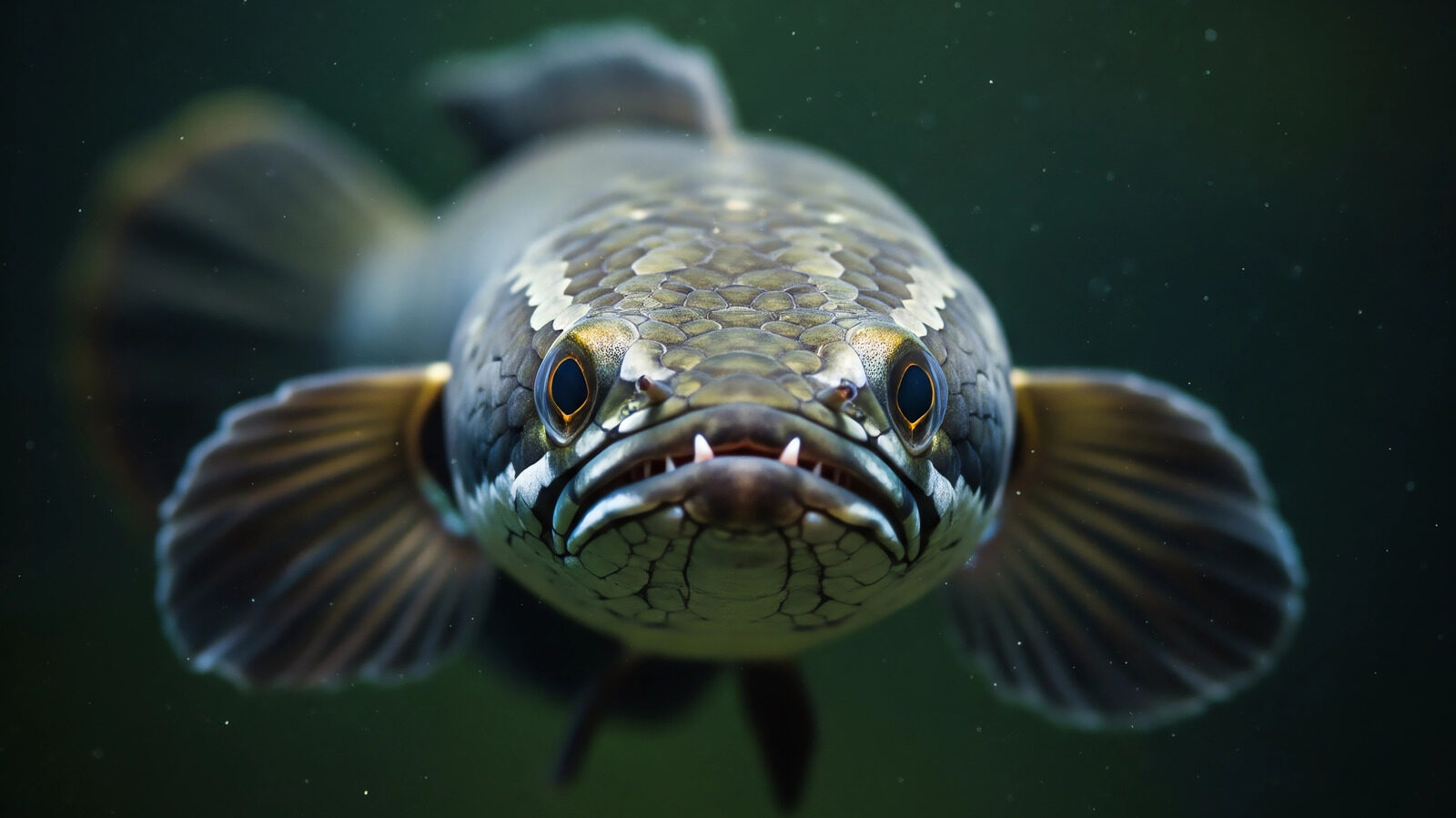
First identified in the U.S. in 2002 when an angler caught one in a Maryland pond, the northern snakehead quickly became a media sensation. Its unusual appearance—long, narrow head resembling that of a snake—combined with its size, which can exceed two feet, made it a subject of sensational stories and horror films. However, the real threat lies in its ecological impact, which must be understood beyond the myths that surround it.
The snakehead’s ability to thrive in various environments, including those with low oxygen levels, distinguishes it from many native species. Its introduction into U.S. waterways has raised alarms among ecologists and conservationists alike, prompting discussions on how to effectively manage this invasive species.
Why snakeheads pose a significant threat to ecosystems
Several unique characteristics of the northern snakehead contribute to its status as a formidable invasive species:
- Aerial respiration: Unlike many fish, snakeheads can breathe air, allowing them to survive in low-oxygen water conditions.
- Torpor capability: They can enter a state of torpor, conserving energy and surviving extreme temperatures, including freezing conditions.
- Aggressive predation: Snakeheads are voracious ambush predators, targeting a broad range of prey, including fish, insects, amphibians, and even small reptiles.
The ecological ramifications of their predatory behavior are substantial. Their indiscriminate feeding habits threaten native species, leading to potential extinctions. For instance, the northern snakehead targets bowfins, a native predator fish that plays a crucial role in the ecosystem. If the snakehead population continues to grow unchecked, it could lead to the decline of native species like the bowfin, resulting in long-term ecological damage.
Understanding the spread of snakeheads in the U.S.
The spread of the northern snakehead across U.S. waterways has been alarming. Since their introduction, they have primarily been found in the mid-Atlantic region, particularly in the Potomac River. Their presence poses a challenge to local ecosystems, but how did they get here in the first place?
While the exact circumstances surrounding their introduction remain unclear, it is believed that they were released into the wild by pet owners who could no longer care for them or anglers seeking new fishing opportunities. The U.S. government responded to the threat by banning the importation and transport of snakeheads, but the damage had already been done.
One of the most concerning aspects of snakehead reproduction is their prolific breeding. Female snakeheads can lay up to 50,000 eggs multiple times a season. Moreover, parental care by both mother and father snakeheads increases the survival rate of their young, leading to rapid population growth that complicates management efforts.
Strategies to manage snakehead populations in the U.S.
Addressing the snakehead invasion requires a multi-faceted approach. Here are several strategies being considered or implemented:
- Public awareness campaigns: Educating the public about the dangers of releasing non-native species into local waters is critical.
- Regulatory measures: Continued enforcement of bans on the import and transport of snakeheads can help mitigate further spread.
- Targeted fishing: Anglers are encouraged to catch snakeheads, as their meat is considered a delicacy. This practice can help reduce their numbers in affected waters.
- Research and monitoring: Ongoing studies to track snakehead populations and understand their impact on local ecosystems are essential for effective management.
Despite these efforts, managing snakehead populations remains a complex challenge. Their adaptability and aggressive nature make them difficult to control, and their presence serves as a stark reminder of the consequences of human intervention in natural ecosystems.
Learning from the snakehead invasion
As the northern snakehead continues to proliferate, it highlights the importance of maintaining biodiversity within ecosystems. The introduction of non-native species can lead to significant ecological shifts, often resulting in the decline of native species and the alteration of food webs.
By examining the case of the snakehead, we can glean important lessons about the interconnectedness of ecosystems and the delicate balance required to maintain them. Promoting species diversity is not only crucial for the health of individual ecosystems but also for the overall resilience of our natural environments.