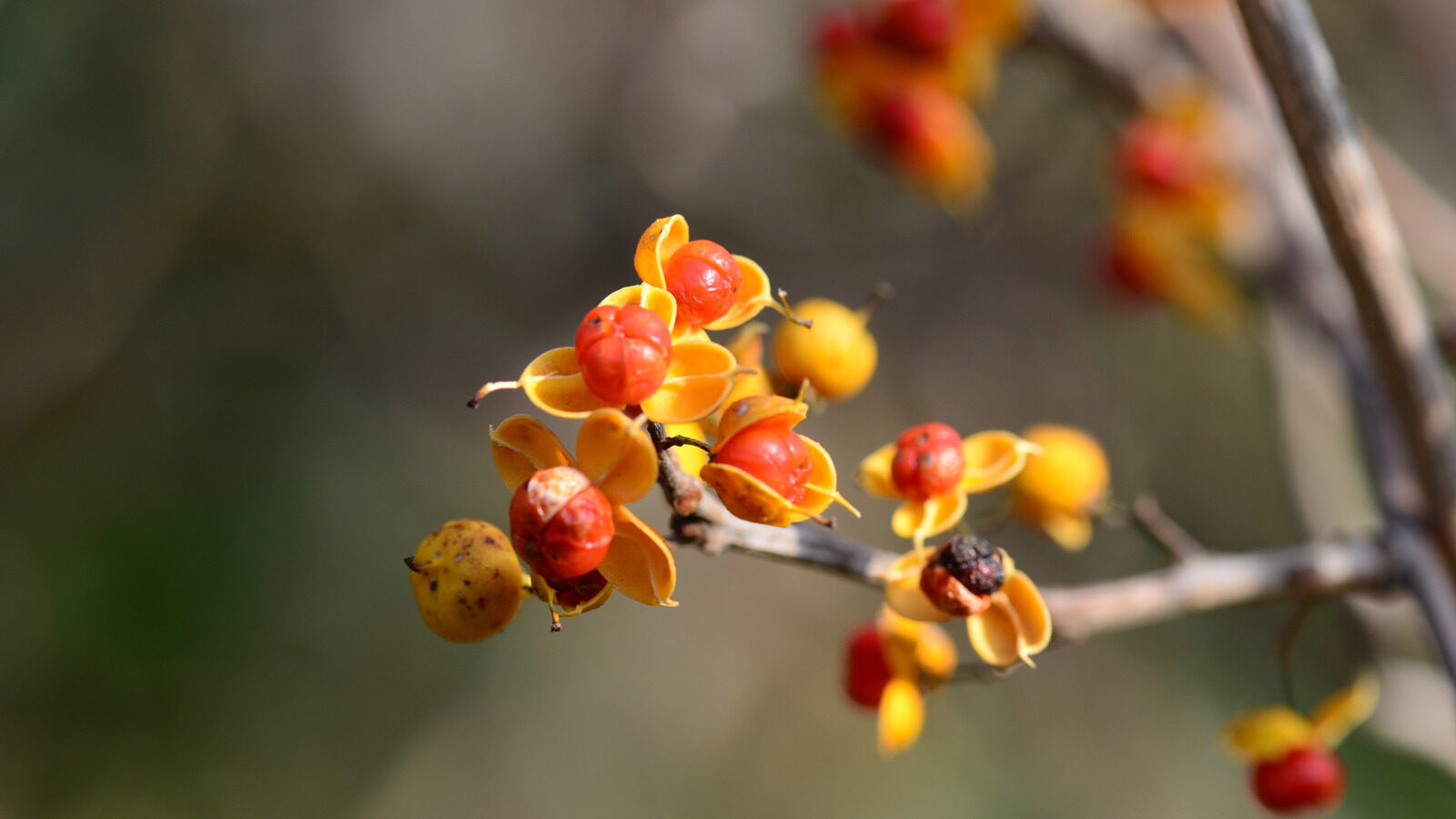
Invasive species are often as beautiful as they are destructive, leaving a trail of ecological devastation in their wake. One such case is the oriental bittersweet in Indiana, a plant that was once cherished for its aesthetic appeal but has now become a significant threat to local ecosystems. Understanding its impact is crucial for preserving Indiana’s natural heritage.
This article delves into the journey of the oriental bittersweet, its effects on Indiana’s forests, and what can be done to combat its spread. As the state grapples with this invasive plant, it becomes essential to examine both the beauty and the destruction it brings.
Why Indiana’s parks are suffering from an oriental bittersweet takeover
The oriental bittersweet, scientifically known as Celastrus orbiculatus, is not just spreading across Indiana but also wreaking havoc in various states across the U.S. According to a 2016 report by the United States Department of Agriculture, this plant is prevalent in 11 states, including Connecticut, Ohio, and West Virginia. However, its impact in Indiana’s state parks has been particularly alarming, with massive infestations reported in locations like Brown County and Clifty Falls State Park.
One of the primary reasons for the plant’s destructive nature is its incredible ability to outcompete native vegetation for essential resources. The oriental bittersweet achieves this through several mechanisms:
- Rapid growth: The vine can grow up to 20 feet in a single season, creating dense mats that block sunlight.
- Resource hog: It monopolizes nutrients and water from the soil, leaving little for native plants.
- Structural instability: Its heavy vines can destabilize trees, especially during high winds.
Moreover, Indiana’s severe weather conditions exacerbate the problem. Native trees, which naturally shed leaves in winter to minimize ice accumulation, often cannot withstand the added weight of the bittersweet’s vines. In many cases, the vines trap ice and snow, leading to tree failures that can cause widespread damage across the forest.
The ecological consequences of oriental bittersweet invasion
The consequences of the oriental bittersweet’s invasion extend beyond just tree loss. The entire ecosystem suffers when native plants are overwhelmed. This invasive species disrupts nutrient cycling, alters food webs, and can even lead to the extinction of local plant species. The implications are profound:
- Loss of biodiversity: Native plants provide habitat and food for various species. Their decline can lead to a decrease in wildlife populations.
- Altered soil composition: The aggressive growth of bittersweet can change the nutrient balance in the soil, making it less hospitable for native flora.
- Increased fire risk: Dense mats of bittersweet can create conditions ripe for wildfires, particularly during dry seasons.
Furthermore, the presence of oriental bittersweet can hinder restoration efforts in degraded ecosystems. When conservationists attempt to rehabilitate damaged areas, the invasive species can quickly re-establish itself, thwarting recovery efforts.
Managing the threat of oriental bittersweet
Addressing the growing problem of oriental bittersweet in Indiana requires a multifaceted approach. Currently, state and federal park officials advocate for the removal of the plant by its roots as the most effective method of control. In addition to physical removal, here are some strategies being recommended:
- Use of herbicides: While systemic herbicides like glyphosate can be effective, they come with environmental risks and should be used cautiously.
- Preventative planting: Homeowners are encouraged to plant native species in gardens to prevent the spread of invasive plants.
- Public awareness campaigns: Educating the public about the dangers of invasive species can empower community action.
Moreover, it is crucial for individuals to be mindful of their gardening practices. Disposing of bittersweet berries properly after uprooting can prevent them from re-seeding in the area. Additionally, avoiding the transport of soil from infested regions can help to curb the spread of this invasive plant.
 Uninhabited Islands: Exploring Worlds Without People
The future of Indiana forests under siege
Historically, Indiana was blanketed with forests, covering about 90% of its land prior to European colonization and deforestation. Today, only around 20% of the state remains forested, with the majority of this land privately owned. This reality places the responsibility of managing invasive species like oriental bittersweet squarely on the shoulders of Indiana residents.
As the battle against this invasive plant continues, the state faces many challenges, including limited resources and the need for comprehensive strategies. Some experts suggest a combination of removal, chemical treatment, and community engagement as a holistic approach to managing the threat.
To illustrate the gravity of the situation, the following table summarizes the key statistics regarding the spread of oriental bittersweet and its impact:
| Statistic | Value |
|---|---|
| States affected | 11 |
| Growth rate per season | Up to 20 feet |
| Forest coverage in Indiana (current) | 20% |
| Private land ownership | 76% |
Invasive species like the oriental bittersweet change the natural nutrient cycling processes that ecosystems rely on. As humans have played a role in introducing this destructive vine, so too must we take responsibility for controlling its spread. The preservation of Indiana’s forests depends on active engagement and strong community action to combat this invasive threat.