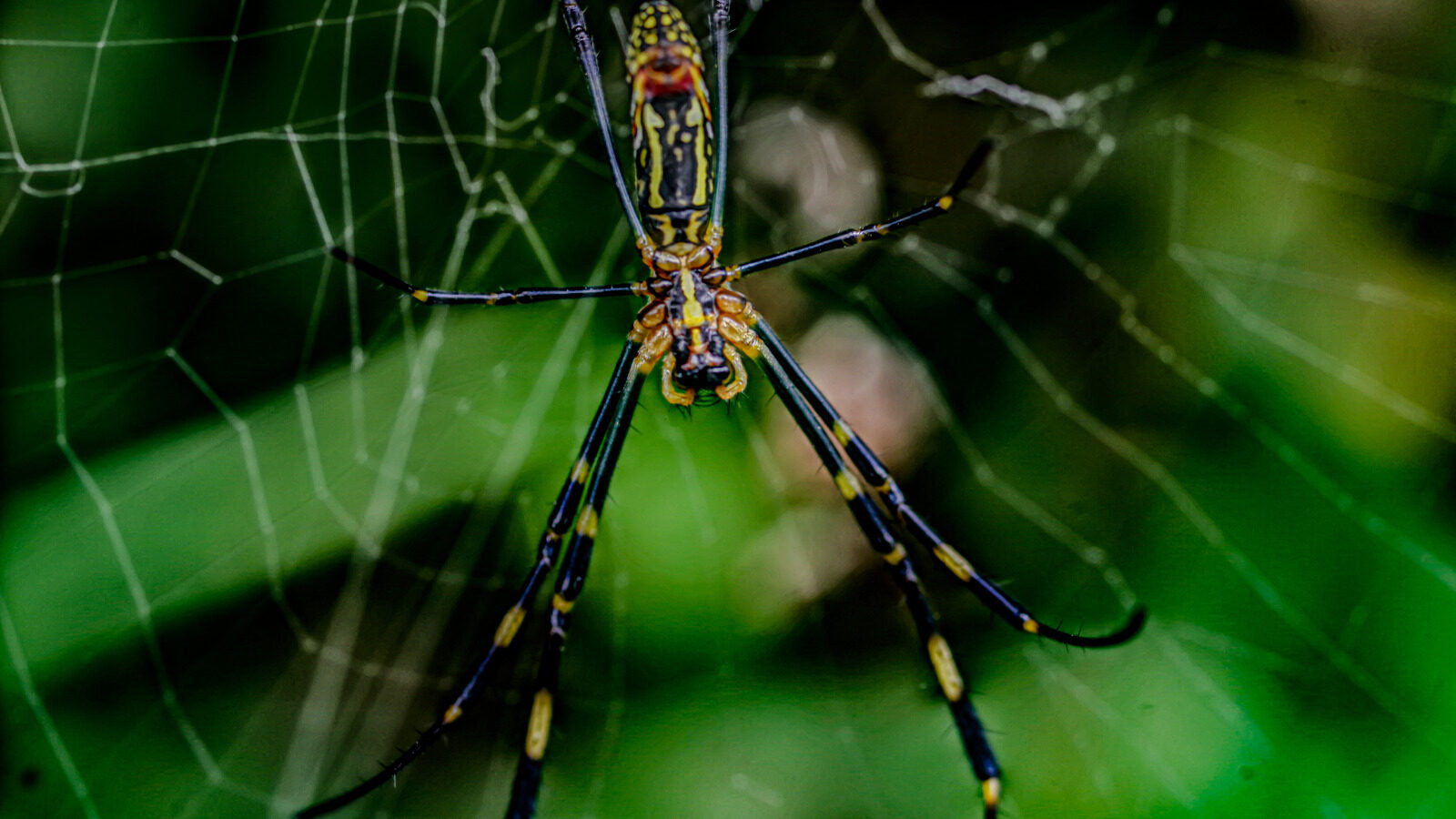
When discussing invasive species, few evoke as much fascination and fear as the Joro spider. This large arachnid, native to East Asia, is now making headlines across the United States, particularly as it spreads along the East Coast. But what exactly is the Joro spider, and should we really be worried about its presence in our backyards? This article dives deep into the characteristics, behaviors, and ecological implications of this intriguing species.
Understanding the Joro spider and its unique behavior
The Joro spider, scientifically known as Trichonephila clavata, is not just another creepy-crawly. With its striking black and yellow coloration, it stands out among other spiders. However, what truly captures attention is its peculiar method of movement, often referred to as “ballooning.”
Unlike many other arachnids, the Joro spider does not fly. Instead, young spiderlings utilize their silk threads to catch the wind, allowing them to travel considerable distances. Adult spiders, which can grow up to 4 inches in diameter, are too heavy for this method. This fascinating behavior is crucial for their dispersal and can be observed when spiderlings spin a web line and allow themselves to be carried by the breeze.
Research conducted in 2018, published in the journal Current Biology, revealed that these spiders tend to balloon more frequently in the presence of electric fields. This intriguing interaction with their environment suggests that they are highly attuned to the conditions around them, which aids in their dispersal.
Are Joro spiders dangerous to humans?
One of the most pressing concerns about any new species is its potential threat to humans. Fortunately, the Joro spider is not considered a significant danger. Its venom, designed to subdue its insect prey, is not harmful to humans; in fact, a bite from a Joro may feel less painful than a bee sting. However, individuals with allergies may experience a more severe reaction.
Interestingly, a 2023 study published in the journal Arthropoda found that the Joro spider exhibits a relatively timid demeanor. When subjected to disturbances, these spiders often remain motionless for extended periods, unlike many other species that react with immediate flight.
For those worried about an invasion of these spiders, it’s essential to remember that they are more interested in their web-building and feeding activities than in interacting with humans. They tend to avoid confrontation, making them less of a threat than some might fear.
The ecological implications of the Joro spider’s arrival
As the Joro spider establishes itself in the United States, many are left wondering about its ecological impact. Invasive species can wreak havoc on local ecosystems, and the Joro spider is no exception. Since its first sighting in Georgia in 2013, this species has spread rapidly, raising alarms about its effects on native species.
- Competition with native species: The Joro spider competes with local orb-weaving spiders, which could significantly reduce their populations.
- Impact on pollinators: Preliminary research suggests that Joro spiders might prey on beneficial insects, including those crucial for pollination, such as honeybees.
- Spread of diseases: Although not directly threatening, their presence might indirectly contribute to the spread of diseases among local species.
The Great Smoky Mountains National Park has taken steps to monitor the Joro spider’s spread, encouraging visitors to report sightings. This vigilance is crucial for understanding how these spiders interact with the local fauna, particularly native orb-weavers, which may be adversely affected by their presence.
 Uninhabited Islands: Exploring Worlds Without People
Future research and monitoring efforts
Ongoing research is essential to grasp the full implications of the Joro spider’s introduction. A 2023 study published in Ecology and Evolution suggests that the Joro spider is spreading more rapidly to northern states, where climatic conditions are similar to those of its native habitat. This rapid expansion calls for immediate and thorough ecological assessments.
Experts are particularly interested in how the Joro spider affects the ecological dynamics of the areas it invades. Key areas of focus include:
- Understanding the dietary habits of Joro spiders and their impact on local insect populations.
- Monitoring the changes in biodiversity as Joro spiders compete with native species.
- Assessing the potential economic impact on agriculture and local ecosystems.
As we learn more about the Joro spider and its interactions within the ecosystems of the United States, it will be crucial to develop strategies to mitigate any negative impacts while appreciating the ecological complexities that accompany the arrival of new species.
Conclusion on the Joro spider’s role in ecosystems
While the Joro spider might initially seem like a harmless addition to the American landscape, its rapid spread and potential ecological impacts warrant careful scrutiny. As researchers continue to study this fascinating arachnid, it’s important to remain informed and engaged in monitoring its effects on local biodiversity.