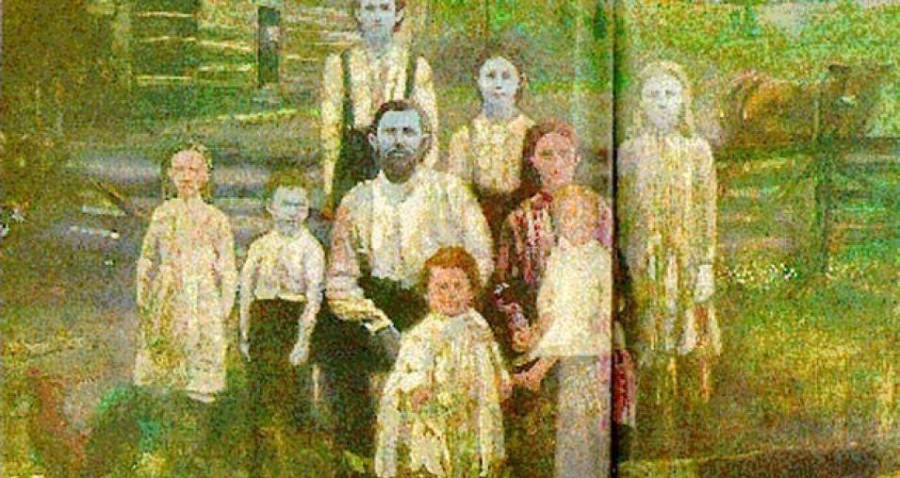
In the heart of Kentucky, a unique and often misunderstood tale unfolds. The Fugate family, for nearly two centuries, carried a rare genetic trait that resulted in a striking phenomenon – blue skin. This wasn’t due to any external factor or cosmetic application, but rather a condition stemming from excessive methemoglobin in their blood. Methemoglobin is an abnormal form of hemoglobin, the protein responsible for carrying oxygen throughout our bodies.
This unusual inheritance pattern was passed down through generations of inbred families in Kentucky, specifically within the fugate family tree. The story begins with Martin Fugate, who arrived in America and married Elizabeth Smith. Both unknowingly carried the recessive gene responsible for this condition. Their union resulted in four out of their seven children being born with blue skin, a defining characteristic that would forever mark their lineage.
The isolation and subsequent intermarriage within the family perpetuated this genetic anomaly. The blue fugate family tree became a testament to both the resilience and challenges faced by families living on the fringes of mainstream society. While the condition caused no other health problems, it undoubtedly drew curiosity and prejudice from those outside their community.
The Fugate Family Saga: Blue Skin and Inbreeding in Kentucky
Life for the Fugates was deeply intertwined with their unusual condition. Their blue skin, a result of the methemoglobinemia they inherited, became a defining characteristic that set them apart from others in Kentucky. While they lived ordinary lives, working the land and raising families, their legacy was forever etched by this genetic peculiarity.
The Fugates faced both hardship and acceptance within their community. Some neighbors viewed their blue hue with fear or suspicion, while others offered kindness and understanding. The family itself saw little distinction between being “blue” and being simply themselves. They lived their lives, passed on their stories, and built a unique culture within the isolated hollows of Kentucky.
The legacy of inbreeding within the fugate family tree ultimately led to their condition becoming more widespread. With limited outside interaction, the recessive gene responsible for methemoglobinemia had a greater chance of being passed down through generations. This created a fascinating example of how genetic inheritance can play out in unexpected ways, shaping the lives and destinies of an entire family.
Genetics of Methemoglobinemia: Understanding the Blue Hue
The blue hue that characterized the Fugates was a direct result of a genetic condition called methemoglobinemia. This occurs when the hemoglobin in our blood, responsible for carrying oxygen, transforms into methemoglobin. Methemoglobin is unable to effectively bind with oxygen, leading to a cascade of effects that ultimately manifest as a bluish discoloration of the skin.
The Fugates carried a specific recessive gene that predisposed them to this condition. This means both parents had to carry the gene for their children to inherit it. When two carriers have a child, there’s a 25% chance the child will inherit two copies of the gene and develop methemoglobinemia.
While the blue skin was noticeable, it didn’t usually cause severe health problems. However, in cases of severe methemoglobinemia, oxygen levels can drop dangerously low, leading to fatigue, shortness of breath, and even organ damage. Fortunately, for the Fugates, their condition was generally manageable.
A Century of Isolation and Intermarriage
The Fugates lived a largely isolated existence in the mountainous regions of Kentucky. Their community was remote and their interactions with the outside world were limited. This isolation played a significant role in perpetuating their unique genetic condition. With fewer opportunities for marriage outside their family group, intermarriage became common practice.
This cycle of inbred families in kentucky contributed to the prevalence of the methemoglobinemia gene within the Fugate lineage. Each generation saw an increased likelihood that children would inherit two copies of the recessive gene, leading to the distinctive blue skin characteristic. While this isolation may seem harsh, it also fostered a strong sense of community and identity among the Fugates.
They developed their own traditions, customs, and way of life, passing down their stories and heritage through generations. The Appalachian mountains became both a barrier and a sanctuary for them, shaping their world in profound ways.
Seeking a Cure: Madison Cawein and the Treatment of Methemoglobinemia
By the mid-20th century, some Fugates sought medical help for their condition. This led them to Dr. Madison Cawein, a respected hematologist from Louisville, Kentucky. Cawein recognized the unique nature of their ailment and dedicated himself to finding a cure. He understood that their blue skin stemmed from an excess of methemoglobin in their blood and realized there was a way to combat it.
Cawein’s treatment involved administering methylene blue dye, which helped convert the abnormal methemoglobin back into functional hemoglobin. This groundbreaking approach provided much-needed relief for many Fugates, lessening the severity of their condition. While not a permanent solution, it marked a significant milestone in understanding and treating methemoglobinemia.
This medical breakthrough brought hope to the family and shed light on the complex interplay between genetics, environment, and healthcare. It demonstrated that even in remote corners of the world, advancements in medicine could have a profound impact on lives seemingly far removed from mainstream society.
The Legacy of the Blue Fugates
Though the blue hue gradually faded from most descendants as medical treatments became more accessible, the legacy of the blue fugate family tree endures. The Fugates’ story serves as a reminder of the complex interplay between genetics, isolation, and societal perceptions. It highlights the importance of understanding and addressing genetic conditions, as well as promoting inclusivity and acceptance for those who may be different.
The tale of the Blue Fugates has captured imaginations worldwide, inspiring books, documentaries, and even fictionalized accounts. Their story continues to fascinate us with its uniqueness and offers a glimpse into a bygone era of American life.
While their blue skin may have faded, their story remains a poignant reminder that every family, regardless of its circumstances, deserves respect, understanding, and empathy.