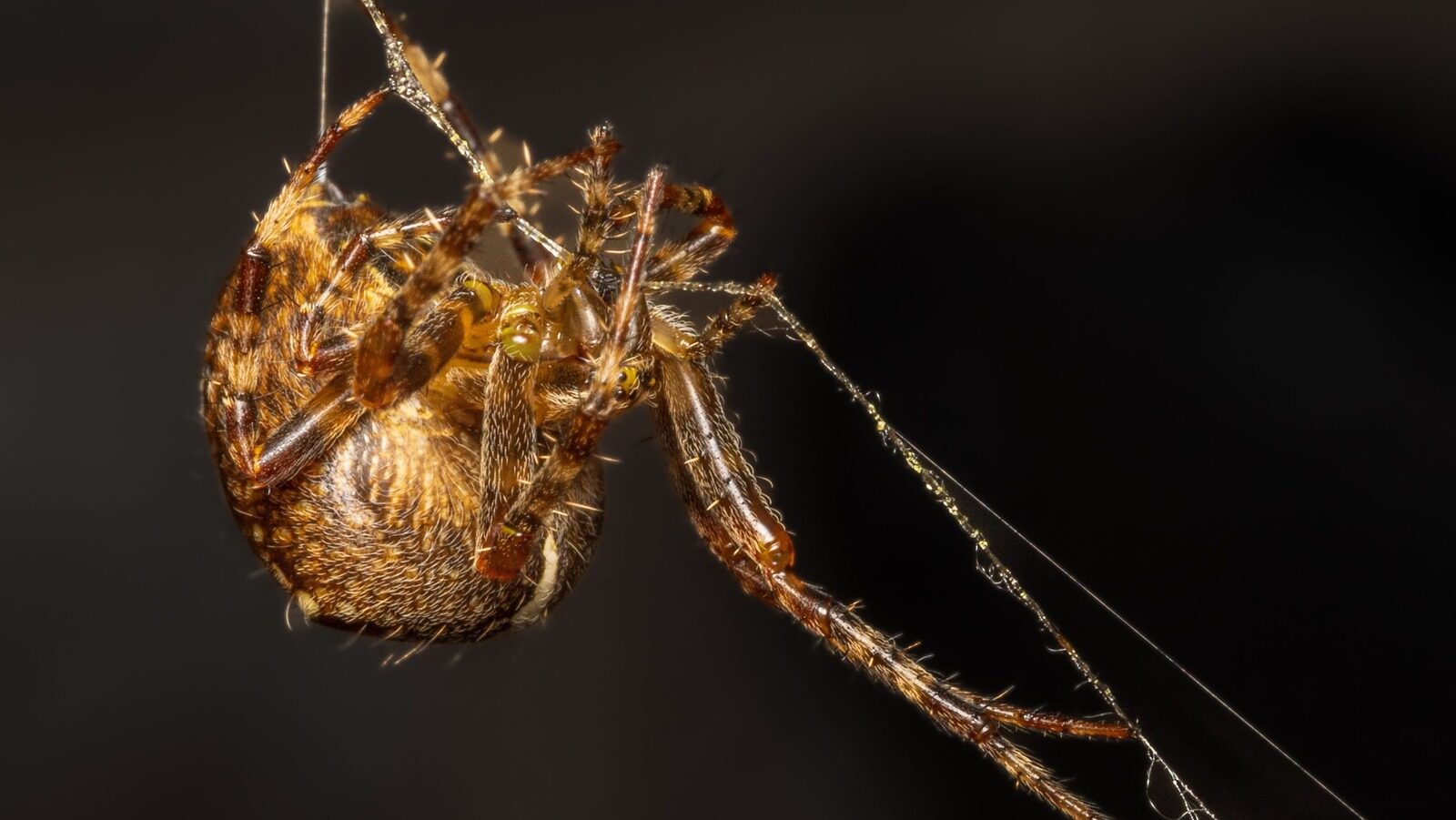
When we think of spiders, many of us picture creepy creatures lurking in dark corners. However, among the vast array of arachnids, pirate spiders stand out for their cunning tactics and fascinating behaviors. These exceptional predators employ unique strategies that not only ensure their survival but also demonstrate the incredible adaptability of spiders in their ecological niches. Let’s dive into the world of pirate spiders and explore their nefarious tricks.
Pirate spiders: stealthy predators in the arachnid world
Pirate spiders, belonging to the family Mimetidae, include between 150 and 200 species distributed across 8 to 13 genera. These remarkable creatures are characterized by their yellow and brown coloring and their lack of web-making abilities, which sets them apart from many other spiders. Instead of spinning webs, pirate spiders are known for their aggressive hunting techniques, often targeting their own kind.
These arachnids are primarily found in forests worldwide, with the highest diversity located in Central and South America. Interestingly, they can also be spotted in diverse regions, including North Dakota. Their appearance can be quite intimidating, particularly due to the rows of raptorial spines on their front legs, which they utilize to ensnare their prey effectively.
One remarkable aspect of pirate spiders is their use of aggressive mimicry. This involves invading the webs of other spider species and imitating the movements of prey or courting behaviors to deceive the resident spiders, drawing them out into the open. Once their target is lured close enough, the pirate spider ambushes and captures them, showcasing the darker side of these cunning predators.
The art of deception: aggressive mimicry in pirate spiders
Aggressive mimicry is not just a trick; it is a sophisticated hunting strategy that highlights the intelligence of pirate spiders. By mimicking the courtship dances of other spiders, they create an illusion that allows them to blend in seamlessly with their surroundings.
- Pirate spiders invade the webs of their prey.
- They imitate the movements of prey or courting behaviors.
- Once the unsuspecting spider approaches, an ambush occurs.
This strategy is particularly effective among species known for their elaborate mating displays. As a result, many spiders fall victim to these deceptive tactics, becoming unwitting meals for the pirate spiders.
Furthermore, research indicates that pirate spiders are not exclusively cannibalistic; they also exhibit kleptoparasitism, a behavior where they steal prey caught in another spider’s web. This adaptability broadens their dietary options, allowing them to thrive in various environments.
Innovative tactics: the “walk the plank” technique
Recent studies have unveiled an even more complex hunting method employed by certain pirate spiders, specifically the species Gelanor siquirres. Conducted in the lush lowland rainforests of Heredia province, Costa Rica, researchers observed these spiders using a fascinating strategy referred to as the “walk the plank” technique.
In this behavior, Gelanor siquirres drop lines of dry silk from their hiding spots, effectively intercepting the web strands of orb-weaver spiders. This clever maneuver allows them to capitalize on the web-building techniques of their prey.
 Uninhabited Islands: Exploring Worlds Without People
When a smaller orb-weaver spider attempts to build its web, it often creates floating silk strands. If these strands connect with the silk lines of the pirate spider, it creates an opportunity for the pirate to descend and ambush the orb-weaver as it approaches its own web.
As one of the study’s authors, Gustavo Hormiga, pointed out, this strategy represents a sophisticated level of hunting behavior that had not been documented previously in pirate spiders. The ability to intercept and manipulate the web-building actions of another spider is a testament to the intricate survival skills these creatures possess.
Understanding the ecological role of pirate spiders
Pirate spiders play a crucial role in maintaining the balance of ecosystems where they inhabit. As both predators and competitors, their actions can influence the population dynamics of other spider species. Their unique hunting strategies contribute to the overall health of the ecosystem by controlling pest populations and ensuring that no single species dominates the environment.
- They regulate spider populations through predation.
- By stealing from webs, they demonstrate complex ecological interactions.
- They contribute to biodiversity by existing in various habitats.
Moreover, the adaptability of pirate spiders to various environmental conditions showcases their resilience as a species. Their ability to exploit the weaknesses of other arachnids illustrates the ongoing evolutionary arms race between predators and prey in the natural world.
Research and conservation of pirate spiders
Despite their fascinating behaviors, pirate spiders remain relatively understudied compared to other spider families. Ongoing research aims to uncover the full extent of their ecological role and the implications of their predatory tactics on the broader ecosystem.
Conservation efforts are essential to ensure the survival of these unique arachnids, especially in the face of habitat destruction and climate change. By protecting their natural habitats, we can help maintain the delicate balance of ecosystems and preserve the biodiversity that is crucial for ecological health.
Conclusion: the enigmatic world of pirate spiders
Pirate spiders exemplify the complexity and intrigue of the arachnid world. Their cunning tactics, including aggressive mimicry and innovative hunting strategies, underscore the adaptability of these creatures. As research continues to unveil the mysteries surrounding pirate spiders, we gain a deeper appreciation for their role in the ecosystem and the importance of conserving their habitats.