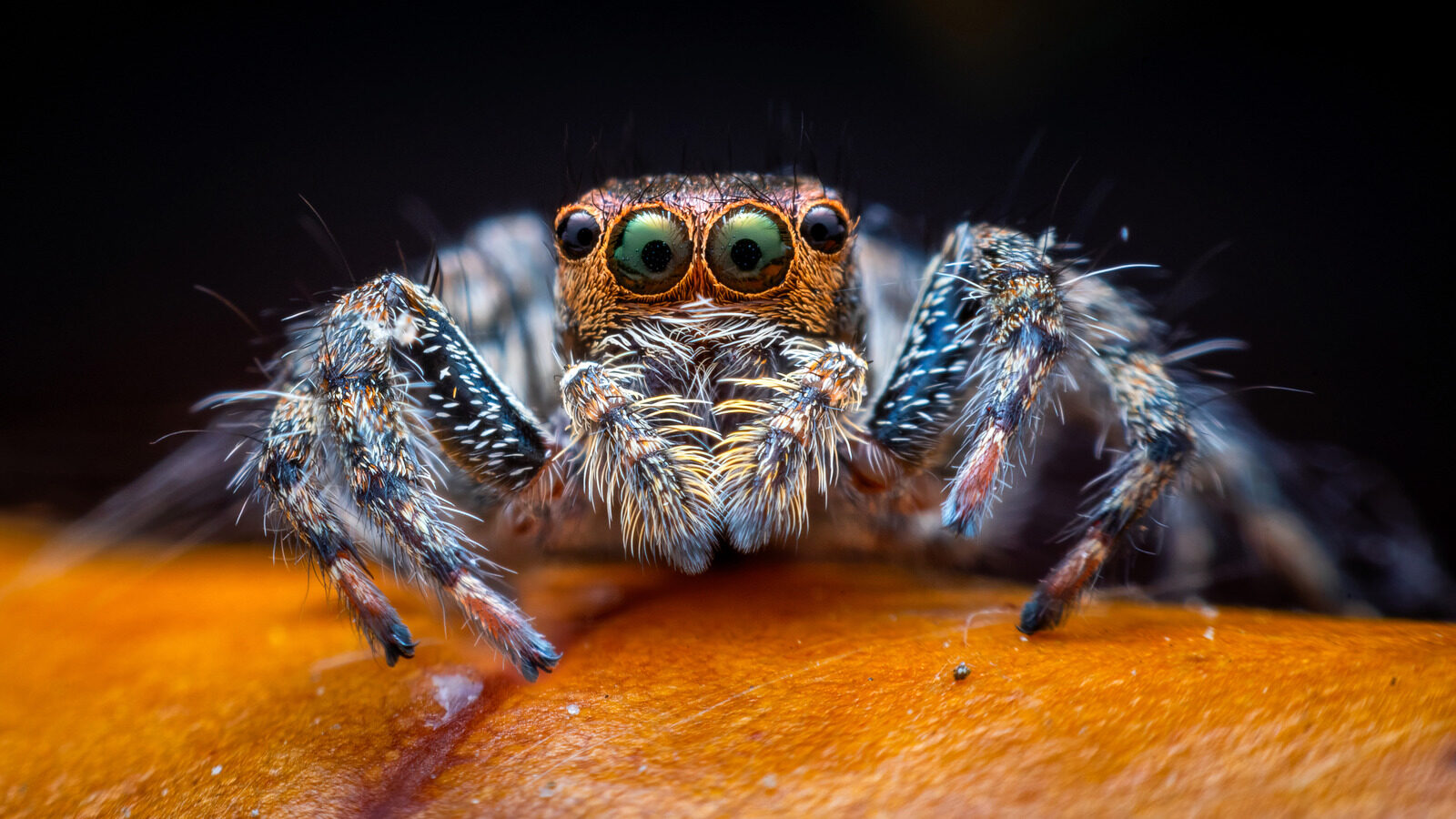
Spiders are often overlooked or even feared, but these fascinating creatures play a crucial role in our ecosystem. Surprisingly, their annual appetite for prey is staggering, as they consume more weight than all humans combined. This article delves into the dietary habits of spiders, revealing their significant impact on insect populations and the environment.
Spiders consume more weight annually than the entire human population
Research has established that spiders collectively consume an astonishing amount of prey each year. According to a pivotal study, they are estimated to kill between 400 and 800 million metric tons of insects annually. To put this in perspective, the total weight of the human population is around 390 million metric tons. This means that, in terms of biomass, spiders are consuming more than the weight of every person on Earth combined.
To arrive at these figures, scientists conducted a thorough analysis that considered the global biomass of spiders, estimated at approximately 25 million metric tons. They employed various methods, including field censuses and web density assessments, to calculate the spiders’ dietary needs and prey kills. The combination of these approaches provided compelling evidence for the substantial impact spiders have on their ecosystems.
These findings highlight not only the sheer quantity of prey spiders kill but also their vital role in pest control. The amount of prey they consume annually dwarfs other significant predators. For example:
- Humans are estimated to consume around 400 million tons of meat and fish each year.
- The entire seabird population kills approximately 70 million tons of prey annually.
- In comparison, spiders outpace these figures by a wide margin, indicating their efficiency as hunters.
The diverse diet of spiders
So, what do spiders eat to sustain such impressive numbers? Primarily, their diet consists of various arthropods. A study identified that spiders typically prey on less than ten orders of arthropods, including:
- Diptera (flies)
- Hemiptera (true bugs)
- Hymenoptera (ants, bees, wasps)
- Collembola (springtails)
- Coleoptera (beetles)
- Lepidoptera (butterflies and moths)
- Orthoptera (grasshoppers and crickets)
- Araneae (other spiders)
Interestingly, spiders have been observed to exhibit cannibalistic behavior, particularly in warmer climates where they may consume their fellow arachnids more frequently than in colder regions. This adaptability in their diet underscores their efficiency as predators.
The ecological importance of spider predation
Spiders are not just voracious eaters; they also play a crucial role in maintaining ecological balance. By controlling insect populations, they contribute to the health of various ecosystems. For instance, the majority of spider predation occurs in natural environments such as forests and grasslands, where they account for over 95% of the prey killed annually. This is significant because:
- Spiders help curb populations of pests and disease carriers.
- They contribute to the food web by providing a food source for larger predators.
- By managing insect populations, they promote plant health and biodiversity.
While many people might associate spiders with urban environments, the majority of their predatory activity takes place far from our homes, where they are essential in regulating insect populations in their natural habitats.
Unique feeding habits among spider species
Different species of spiders have developed unique methods for capturing and consuming their prey. For example, web-building spiders, like orb-weavers, ensnare insects in their intricate webs, while hunting spiders, such as wolf spiders, actively pursue and ambush their prey. The feeding behaviors can be categorized as follows:
 Uninhabited Islands: Exploring Worlds Without People
- Web-builders: These spiders create silk webs to trap unsuspecting insects, often waiting patiently for their next meal.
- Active hunters: These spiders rely on speed and agility to chase down their prey, often relying on keen eyesight.
- Cannibalistic feeders: Some species will consume their own kind, particularly when food is scarce.
This variety in feeding strategies reflects the adaptability of spiders to different environments and prey availability, showcasing their evolutionary success as predators.
Fascinating facts about spider predation
Beyond their striking dietary habits, spiders possess various remarkable traits that enhance their predatory skills. Here are some intriguing facts:
- Spiders can consume prey that is up to three times their own body weight.
- Some species can survive for weeks without food, making them resilient hunters.
- The Goliath birdeater, the world’s largest spider, has been known to prey on small birds, although this is rare.
These facts not only illustrate the remarkable adaptability of spiders but also emphasize their significant role in the ecosystem as predators.