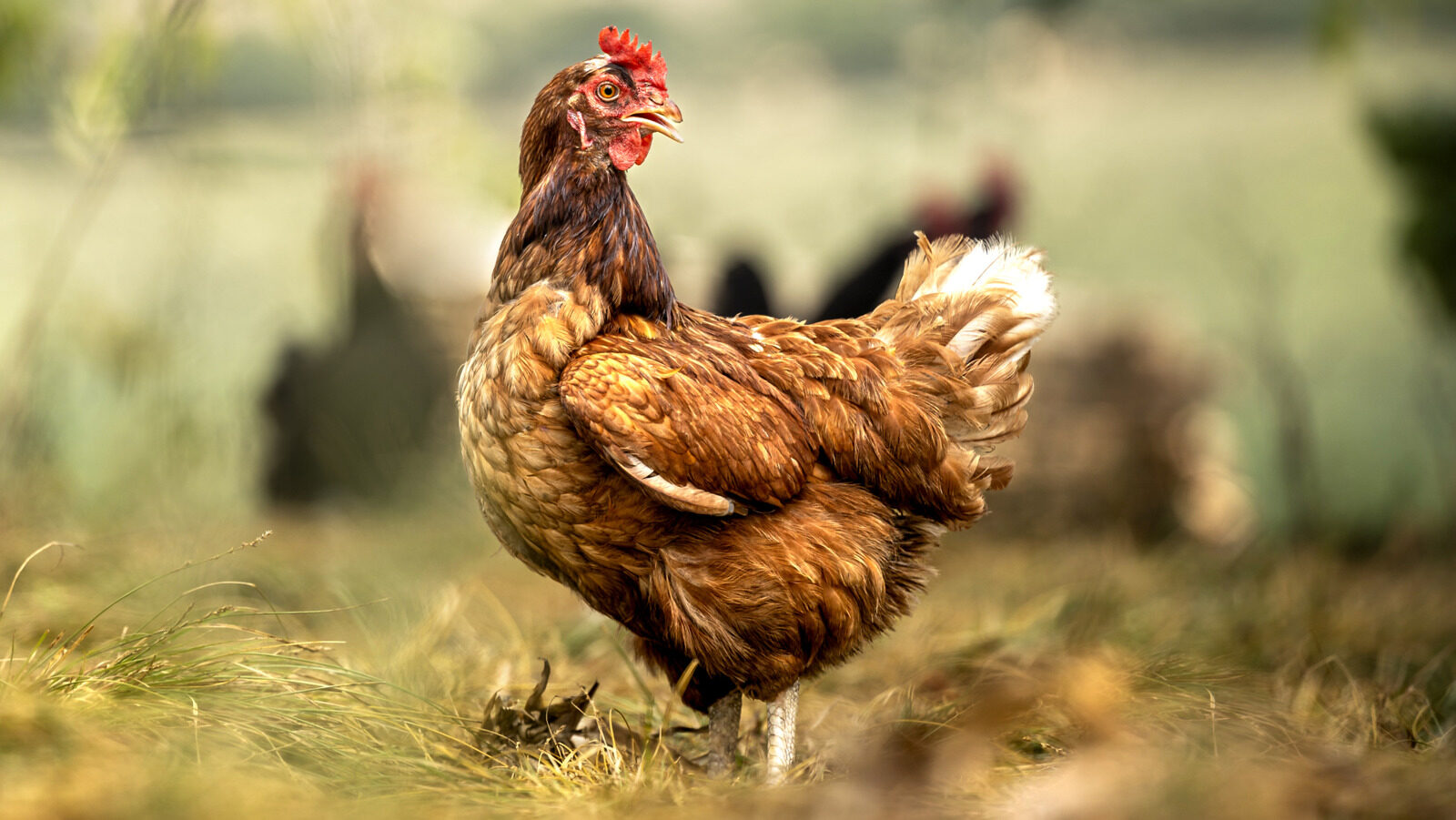
Have you ever wondered how long a chicken could survive without its head? It seems like an absurd question, but the remarkable case of a headless chicken named Mike has fascinated people for decades. This article delves into the science behind this phenomenon and explores the extraordinary life of a chicken that defied the odds.
Understanding the biology of chickens provides valuable insights into how they can exhibit such surprising behavior after decapitation. While it is well-known that all animals require their brains for survival, the unique anatomy of chickens allows for some unexpected scenarios.
The chicken who lived 18 months without a head
In September 1945, on a small farm in Fruita, Colorado, a moment of astonishing discovery unfolded. Lloyd and Clara Olsen were processing chickens when they noticed that one particular bird continued to run around, seemingly oblivious to the fate that had befallen its companions. After beheading the chicken, they placed it in a box for the night, only to be astonished by its continued vitality the following morning. This marked the beginning of the tale of “Miracle Mike, the Headless Chicken.”
Mike’s story quickly spread, transforming him into a local celebrity. Unlike typical chickens that die shortly after losing their heads, Mike survived due to an unusual blood clot that prevented significant blood loss. His brain retained vital functions that controlled heart rate, breathing, and even basic motor skills. Despite being headless, Mike was able to engage in activities that baffled veterinarians and scientists alike.
His bizarre existence raised questions about how a chicken could live without a head. The answer lies in the anatomy of chickens. A substantial portion of their brains is located in such a way that a clean cut does not completely sever all vital neural connections. This unique biology allowed Mike to live for 18 months, relying on liquid nourishment administered with an eyedropper, as he lacked a mouth to eat normally.
How can a chicken live without a head?
The ability of a chicken to survive after decapitation can be attributed to several factors:
- Brain Structure: Chickens have a different brain structure compared to mammals. Their brains can function even with minimal connections.
- Spinal Cord Function: Some reflex actions can continue to occur due to residual nerve signals from the spinal cord.
- Blood Clotting: In Mike’s case, a blood clot likely formed, preventing immediate blood loss and allowing him to survive longer.
These factors combined explain how Mike defied expectations and lived a life that intrigued many. This phenomenon, while rare, highlights the complexities of avian biology.
How long can a chicken live without a head?
Typically, chickens do not survive long after beheading—often only a few minutes due to rapid blood loss and the cessation of vital functions. However, cases like Mike’s show that under rare circumstances, chickens can survive much longer:
- Average headless survival time: minutes to hours.
- Exceptional cases like Mike: up to 18 months.
- Factors influencing survival: blood clotting, neural connections, and care by humans.
Mike’s extended survival time serves as a stark contrast to the norm, prompting further inquiry into the physiological capabilities of chickens.
The biology of chickens and their nervous system
To grasp the full story of headless chickens, it’s essential to understand how their nervous system operates. Chickens are known for their unique brain and nerve pathways:
- Decentralized Nervous System: Many reflex actions are controlled by lower spinal centers rather than the brain itself.
- Brain Locations: A chicken’s brain is not located centrally, allowing for some motor functions to persist even when the head is removed.
- Reflex Actions: Chickens can still exhibit reflexive movements like running or flapping wings due to retained nerve connections.
Understanding these elements sheds light on how Mike managed to live longer than any other documented chicken in similar circumstances.
How long can a chicken live without their head?
As mentioned earlier, the average chicken typically does not survive for long when decapitated. When examining historical cases, we can see a variance in survival times:
- Typical Duration: Most chickens die within a few minutes of beheading due to blood loss and loss of functions.
- Remarkable Survivors: Rare cases like Mike illustrate that some may survive for months under specific conditions.
This discrepancy highlights the importance of understanding the individual circumstances surrounding each case, as they can significantly alter outcomes.
Legacy of Mike the Headless Chicken
Mike the Headless Chicken’s legacy continues to resonate in Fruita, Colorado. His story is celebrated annually at the Mike the Headless Chicken Festival, which features various events, including:
- Food and drink offerings
- Live music and performances
- Games and contests related to Mike’s story
This festival not only honors Mike’s remarkable life but also serves as a reminder of the wonders of the natural world and its mysteries. It inspires discussions around biology, veterinary medicine, and the unexpected capacities of life.
Conclusion: What can we learn from Mike’s story?
Mike’s extraordinary tale invites us to consider the complexities of life and biology. It challenges our understanding of animal physiology and reminds us that nature holds surprises that can defy our expectations. While his case is unique, it encourages curiosity and a deeper appreciation for the marvels of the animal kingdom.