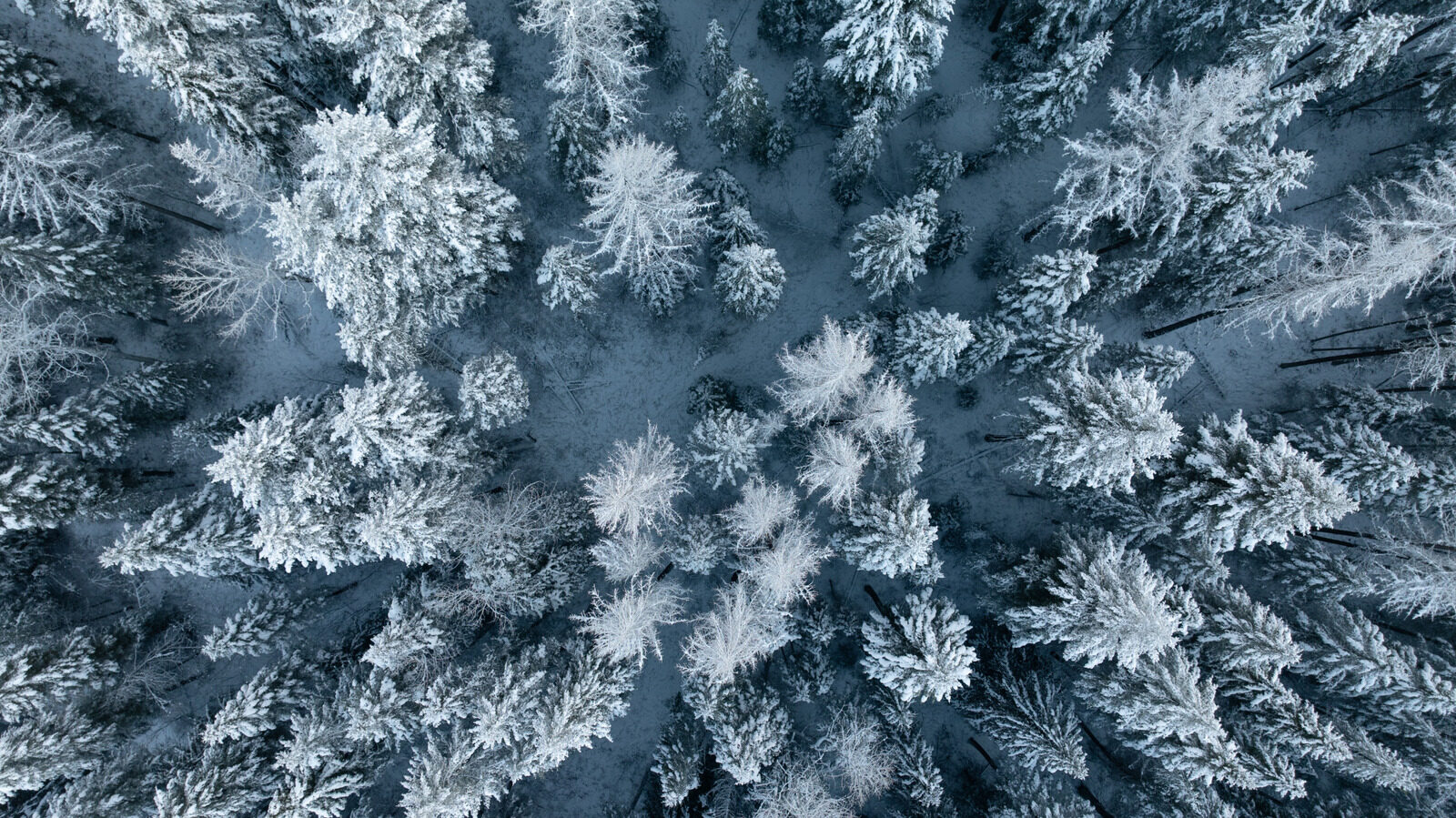
As winter grips many regions, the captivating yet alarming phenomenon of trees “exploding” has sparked curiosity and concern among residents. While it may sound like something out of a horror movie, understanding the science behind this occurrence can help mitigate its effects. Let’s delve into the details of this intriguing winter event.
Understanding the freezing and bursting effect
The chilling temperatures of winter can have surprising effects on various materials, particularly when it comes to water and its interactions with them. One of the most visual manifestations of this is the phenomenon sometimes referred to as “exploding trees.” It’s essential to clarify that these trees aren’t truly exploding, but rather experiencing a process known as frost cracking.
This occurrence is primarily due to the different rates of temperature change within the tree. The bark, being the outermost layer, cools off much faster than the inner wood. As temperatures drop, the water in the tree’s sap can freeze and form ice crystals, which expand in volume. This rapid contraction of the bark combined with the expansion of ice within the tree can lead to a sudden rupture, producing a sound reminiscent of a gunshot.
- Temperature differences cause bark to contract quicker than the inner wood.
- Freezing sap expands due to ice crystallization.
- Sudden ruptures create loud cracking sounds.
The destructive duo: water and extreme cold
Winter and water are a perilous combination, often leading to severe damage in various contexts. If you’ve lived in colder climates, you’re likely familiar with the warnings about frozen pipes. This situation arises from similar mechanisms that cause frost cracking in trees. When temperatures plunge, water in pipes freezes, leading to the expansion of ice and potential pipe bursts, resulting in costly repairs.
Moreover, a related phenomenon known as cryoseism, or frost quake, can occur in the ground. This event requires specific conditions:
- Significant moisture in the soil, allowing water to infiltrate between rocks.
- A rapid drop in temperature over a short period.
- Minimal snow cover, as excessive snow can insulate the ground from the cold.
When these conditions align, the ground can crack and produce a booming sound, startling those nearby. Protecting your property from these occurrences can involve several proactive measures.
Protecting your trees and pipes from extreme temperatures
While frost quakes may be unavoidable, there are steps you can take to safeguard your trees and plumbing systems. Here are some practical tips for each:
For your trees:
- Use protective wraps: Purchasing a protective tree wrap can help regulate temperature fluctuations, reducing the risk of frost cracking.
- Water your trees: Ensure your trees are well-watered during the fall months, as hydration can help them withstand freezing temperatures better.
- Avoid sudden temperature changes: Gradually acclimate trees to temperature changes whenever possible.
For your pipes:
- Let water run: Keeping a small trickle of water flowing during freezing conditions can alleviate pressure in your pipes.
- Maintain consistent temperature: Set your thermostat to a steady temperature day and night to prevent extreme fluctuations.
- Insulate pipes: Use foam or other insulating materials to protect exposed pipes from freezing.
Beyond trees: other materials affected by freezing
The impact of freezing temperatures extends beyond trees and pipes; many materials can be compromised by the expansion of ice. Here are a few examples:
- Concrete: Water that seeps into cracks can freeze, expand, and cause further cracking and spalling in concrete structures.
- Glass: Rapid temperature changes can cause glass to shatter, particularly if it has any imperfections.
- Metals: Certain metals can contract and become brittle when exposed to extreme cold, which can lead to fractures.
Scientific explanations behind frost cracking
Delving deeper into the science, frost cracking involves several physical principles. The initial cooling causes the outer bark to contract quickly, while the sap inside the tree remains liquid for a bit longer. When the sap freezes, it expands, creating internal pressure that the bark cannot release fast enough. This pressure builds until the bark can no longer contain it, resulting in a crack.
Researchers have studied this phenomenon not only in trees but also in other biological contexts. For example, various species of plants exhibit different tolerances to frost, which can offer insights into agricultural practices in colder regions. Understanding how different materials react to cold is crucial for preventing damage and ensuring structural integrity.
The need for winter preparedness
The winter season, while often beautiful, can pose numerous challenges due to the combination of water and extreme cold. By understanding the mechanisms behind frost cracking in trees and the potential for pipe bursts, individuals can take practical steps to protect their property. Awareness and proactive measures are essential for minimizing damage and maintaining safety during the colder months.