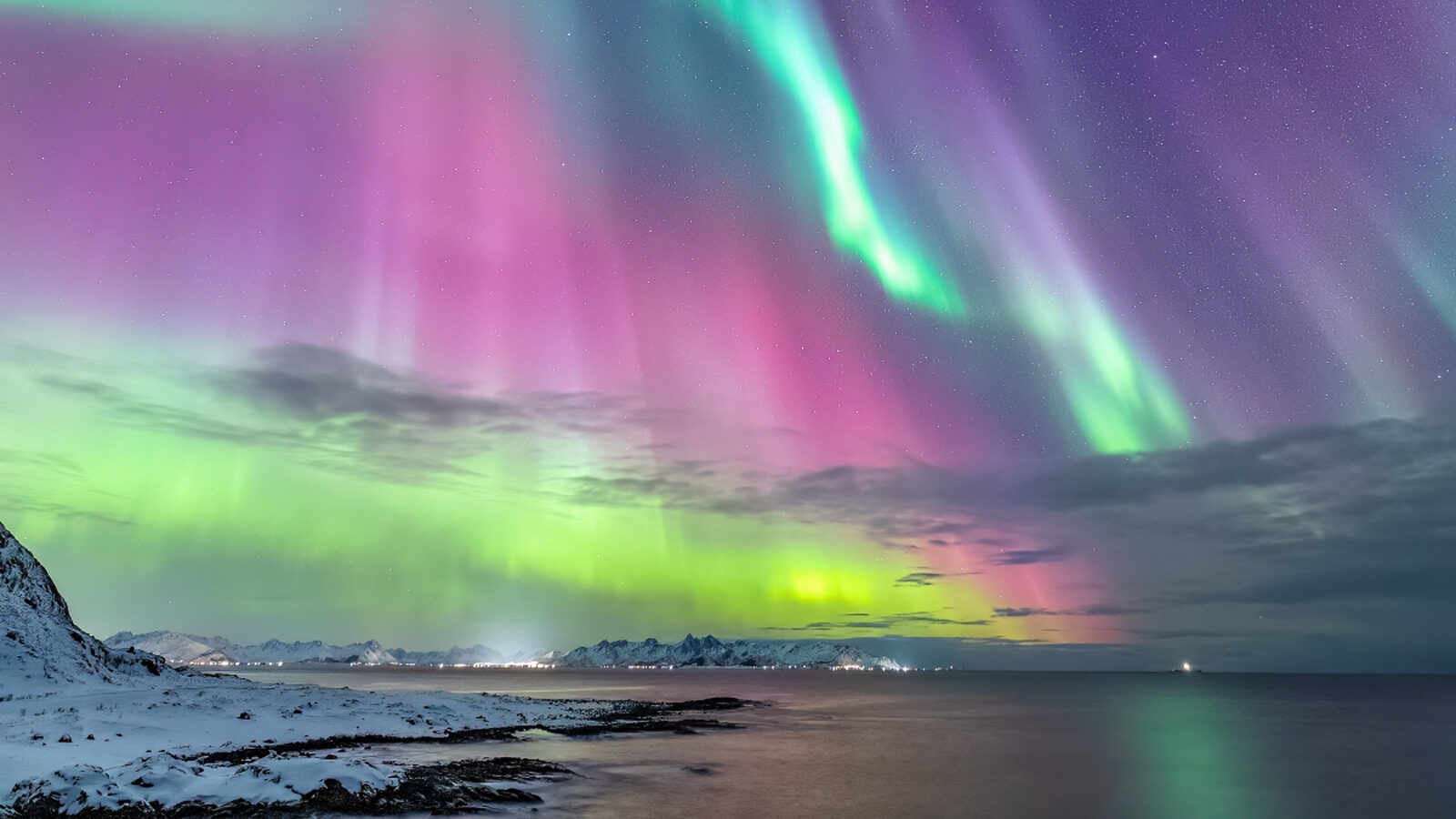
The stunning phenomena of the northern and southern lights, also known as aurora borealis and aurora australis, draw countless spectators each year to witness their breathtaking displays. While the beauty of these lights is universally appreciated, understanding the science behind them can enhance the experience. With the equinoxes just around the corner, there’s no better time to learn about the conditions that make these cosmic shows even more spectacular.
Every year, the spring and fall equinoxes signal a unique opportunity to witness these celestial wonders. As the Earth aligns with the sun, an increase in geomagnetic activity typically occurs, enhancing the chances of seeing these awe-inspiring lights. In this article, we will explore why the equinoxes are prime aurora-viewing times, the relationship between solar activity and auroras, and tips for maximizing your chances of catching this natural spectacle.
Understanding the equinox effect on auroras
The phenomenon of auroras begins with the sun, which releases streams of charged particles into space. These particles are propelled by solar flares and coronal mass ejections, creating what is known as solar wind. When these charged particles encounter the Earth’s atmosphere, they collide with gas molecules, such as oxygen and nitrogen, producing the beautiful light displays we associate with auroras.
During the equinoxes, the tilt of the Earth causes it to align in such a way that allows more solar particles to enter the atmosphere. This condition results in a phenomenon known as the Russell-McPherron effect, which indicates that during equinox periods, the magnetic field of the solar wind aligns more favorably with Earth’s magnetic field. As a result, more charged particles penetrate the atmosphere, leading to a more intense and vivid auroral display.
In the context of the equinox periods, the following points illustrate why these times are optimal for aurora viewing:
- Increased magnetic alignment: Earth’s magnetic field becomes more receptive to solar particles.
- Favorable solar winds: The solar wind’s intensity peaks during equinoxes, enhancing auroral displays.
- Geographic visibility: The auroras are more visible at higher latitudes, where most viewing occurs during equinoxes.
The role of solar activity in aurora formation
Solar activity follows an approximately 11-year cycle known as the solar cycle, characterized by fluctuations in sunspots and solar flares. During periods of solar maximum, the sun is particularly active, emitting a higher volume of charged particles. These solar phenomena significantly influence the occurrence of auroras on Earth.
As of October 2024, the sun was declared to be at solar maximum, indicating a peak in solar activity. This period is crucial for aurora watchers because:
- Increased particle emission: More solar flares and ejections lead to a higher influx of particles hitting Earth.
- Intensified auroral displays: More particles mean brighter and more colorful auroras.
- Potential for extreme space weather: Increased solar activity can lead to geomagnetic storms, enhancing auroral visibility.
However, scientists warn that post-solar maximum periods may lead to heightened space weather risks. The interplay of magnetic bands on the sun can create a “battle zone” that further elevates geomagnetic activity, offering another layer of excitement for aurora enthusiasts.
Optimal locations and times to view auroras
To maximize your chances of witnessing the auroras, it’s essential to consider both location and timing. The northern lights are best observed in areas close to the Arctic Circle, while the southern lights can be viewed near Antarctica.
Here are some prime locations for aurora viewing:
- Norway: The Lofoten Islands and Tromsø are popular spots for northern lights sightings.
- Iceland: Known for its dark skies, places like Thingvellir National Park offer stunning views.
- Canada: The Yukon and Northwest Territories provide excellent opportunities for both auroras.
- Finland: The Finnish Lapland, particularly around Rovaniemi, is a great choice.
- Antarctica: The southern lights can be viewed from research stations and cruises in this remote region.
In terms of timing, planning around the equinoxes and during the winter months can yield the best results. The equinoxes typically occur around March 20 and September 22, making these dates prime opportunities to align your aurora-watching plans.
Tips for aurora photography
Capturing the beauty of the auroras requires some preparation, especially if you’re looking to document this natural phenomenon. Here are some tips for getting the best photographs:
- Use a tripod: A stable base is essential for long exposure shots.
- Set a high ISO: This allows your camera to gather more light in the dark conditions.
- Adjust the aperture: Use a wide aperture to let in more light, enhancing the brightness and clarity of the auroras.
- Long exposure settings: Experiment with exposure times between 5 to 30 seconds to capture movement and vibrancy.
- Patience is key: Sometimes, the best shots come after waiting for the right moment.
With the right preparation and conditions, witnessing the auroras during the equinoxes can be a once-in-a-lifetime experience. As solar activity remains high, the chances of viewing this magnificent light show increase, making it an exciting time for both seasoned aurora watchers and first-timers alike.