Antarctica, the icy expanse at the bottom of the world, is often seen as a barren wasteland. However, millions of years ago, this continent was a lush paradise teeming with life. Understanding Antarctica’s past reveals much about our planet’s history and the drastic changes it has undergone. Dive into the fascinating world of prehistoric Antarctica, where dinosaurs once roamed freely.
In today’s world, Antarctica is known for its frigid climate, making it the coldest, driest, and windiest place on Earth. But this was not always the case. The history of Antarctica is a tale of dramatic transformation, one that encompasses millions of years of climatic shifts, geological changes, and the evolution of life itself.
The Cretaceous period: a vibrant Antarctica
During the Cretaceous period, which spanned from approximately 145 to 66 million years ago, Antarctica was a vastly different landscape. Instead of the ice-covered continent we know today, it was part of the supercontinent Gondwana. This landmass was characterized by a warm climate and rich biodiversity. Key features of this vibrant ecosystem included:
- Thick, lush rainforests that flourished across the continent.
- Diverse flora, including tree ferns, cycads, and conifers.
- A variety of fauna, from dinosaurs to marine reptiles, that thrived in this tropical environment.
At this time, sea levels were approximately 650 feet higher than they are today, which further contributed to the lushness of Antarctica. Fossil evidence indicates that these ancient ecosystems were rich in life, including dinosaurs that roamed the landscapes and marine reptiles that inhabited the warm waters surrounding the land.
Discovering Antarctica’s dinosaur inhabitants
Antarctica’s fossil record provides remarkable insights into the types of dinosaurs that once inhabited the region. The first significant discovery was made in 1986 when scientists unearthed the remains of an ankylosaur, a heavily armored dinosaur that lived between 83 and 72 million years ago. Since then, numerous other discoveries have been made, revealing a diverse array of dinosaur species, including:
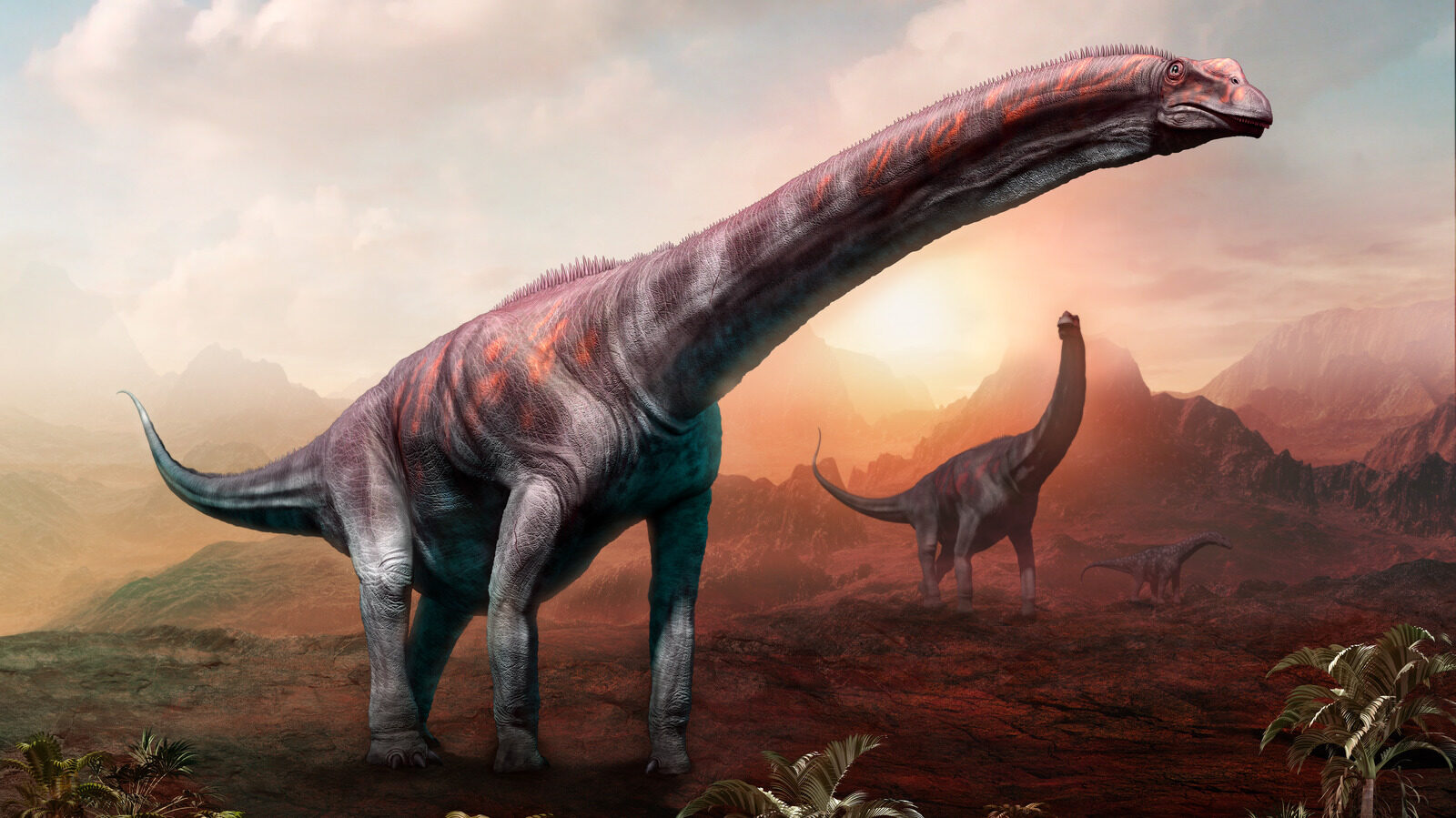
- Sauropods: Large, long-necked dinosaurs that were herbivores.
- Theropods: Bipedal carnivores, including the newly discovered Imperobator.
- Ornithopods: Herbivorous dinosaurs known for their bird-like features.
Research indicates that these dinosaurs were not merely visitors but adapted to the unique environmental conditions of prehistoric Antarctica, demonstrating a complex web of life that thrived in what is now one of the most inhospitable places on Earth.
How scientists uncover Antarctica’s ancient climate
Understanding Antarctica’s transformation over millions of years is crucial for scientists studying climate change. The study of fossils provides a timeline of the continent’s climatic and ecological history. Key methods used by scientists include:
- Fossil analysis: The examination of plant and animal fossils helps reconstruct the ancient environment.
- Foraminifera studies: These single-celled organisms, found in sediment layers, provide insights into historical ocean temperatures.
- Geological surveys: Mapping the geology of Antarctica helps identify ancient landforms and climate conditions.
For instance, Dr. Brian Huber’s research on foraminifera revealed that temperatures near the Antarctic Circle during the Cretaceous may have reached a balmy 86 degrees Fahrenheit (30 degrees Celsius). This finding supports the idea of the Cretaceous Hothouse, a period marked by high carbon dioxide levels and warmer global temperatures.
Current climate challenges: a modern perspective
Fast forward to today, and Antarctica faces an existential threat from climate change. The continent’s ice sheets are melting at an alarming rate, with recent studies estimating a loss of about 135 billion metric tons of ice per year. The implications of this rapid melting are profound:
 Can Humans Ever Evolve to Be Venomous?
- Sea-level rise: Contributing to global sea-level rise that threatens coastal communities worldwide.
- Habitat loss: Affecting species adapted to the cold, such as penguins and seals.
- Global climate feedback loops: Accelerating climate change through the release of trapped carbon dioxide and methane.
The contrast between ancient and modern Antarctica serves as a stark reminder of the dynamic nature of our planet’s climate and ecosystems. As scientists continue to study the past, they hope to glean insights that may help mitigate the effects of current climate challenges.
Conclusion: The journey of Antarctica through time
Antarctica’s transformation from a warm, vibrant ecosystem to the icy expanse we see today is a testament to the planet’s ever-changing climate. The discoveries made by paleontologists and climate scientists not only enrich our understanding of prehistoric life but also underscore the urgency of addressing climate change in our present day.
As we continue to explore this remarkable continent, we unlock the secrets of its past and gain vital knowledge to help safeguard its future.