
In the realm of paleontology, every discovery holds the promise of unveiling the past, and sometimes, these revelations come with unexpected twists. A recent find in eastern China has not only shocked scientists but also provided a deeper understanding of the life that thrived just before the dinosaurs vanished. As we delve into the details of this remarkable discovery, we uncover a narrative filled with mystery, intrigue, and scientific significance.
A remarkable discovery in the Qianshan Basin
The Qianshan Basin, located in eastern China, is known for its rich fossil record from the Paleocene Epoch, a period that spanned approximately 10 million years following the extinction of dinosaurs. This region has yielded a plethora of fossils, showcasing the diverse array of life forms that emerged after the dinosaurs. However, the recent discovery of dinosaur eggs in this area has taken paleontologists by surprise. These eggs not only represent the first dinosaur trace fossils identified in the region, but they also contain mysteries that challenge our understanding of dinosaur biology and behavior.
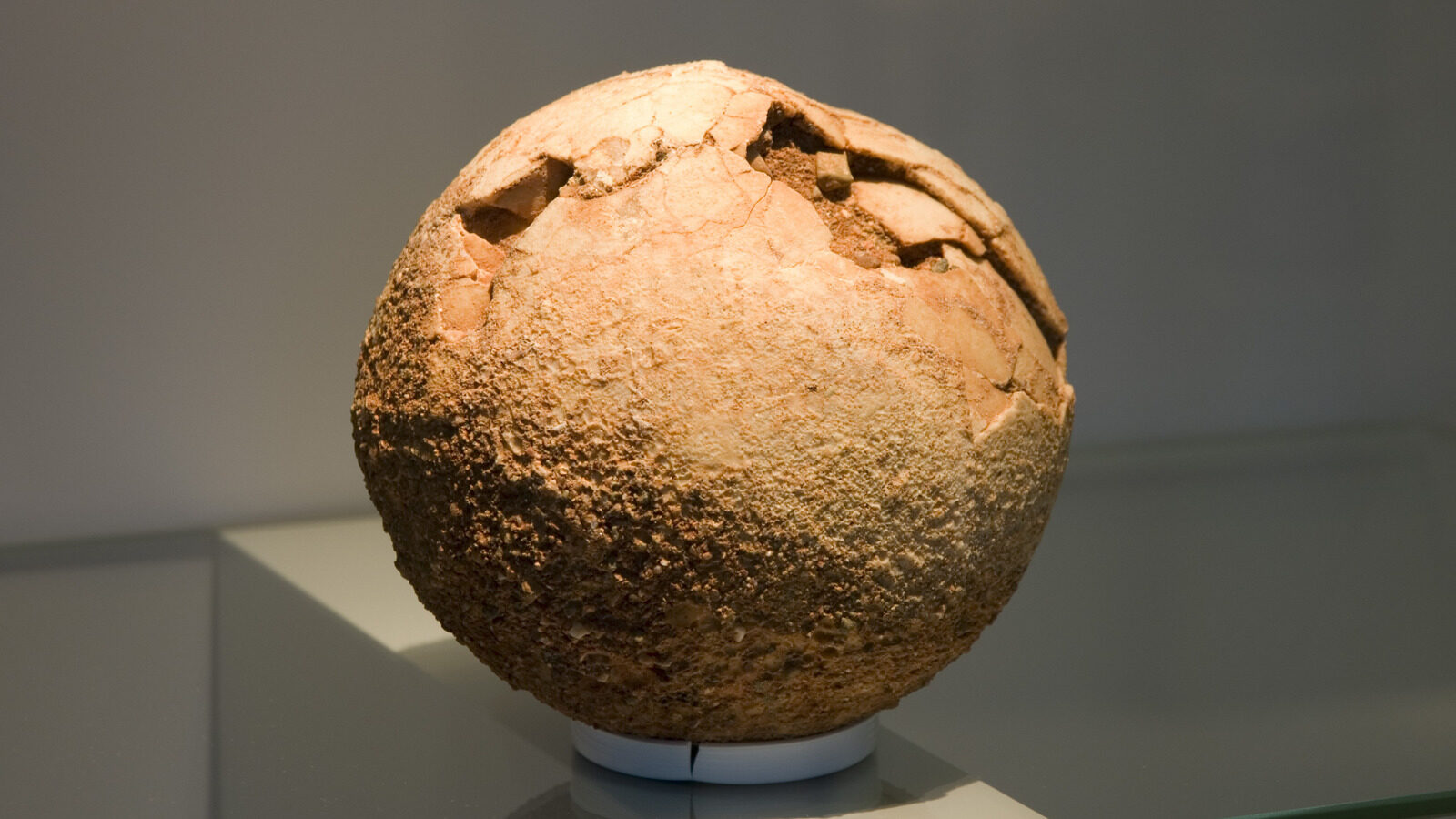
What makes these fossilized eggs particularly fascinating is their unique geological composition. They are classified as geodes, appearing as unassuming, rough exterior shells that conceal stunning interior formations of dense white crystals. Dated to around 70 million years ago, these eggs were laid in the closing chapters of the Cretaceous Period, which is one of the three major eras in which dinosaurs roamed the Earth. The age of the eggs provides a critical context for understanding their formation and significance.
The process behind the formation of these geodes is still a subject of study, but experts propose a plausible sequence of events. It is believed that after being laid, the eggs were buried—possibly by the mother dinosaur or through geological activities such as volcanic eruptions. As time progressed, the organic material inside the eggs, including developing embryos, decayed and drained away. This left behind the shells, which later became channels for groundwater rich in calcium carbonate to seep in. Over millennia, this mineral crystallized, resulting in the stunning formations we see today.
Unveiling the secrets of geodes
Beyond the captivating appearance of the crystals, the implications of these geodes are profound for paleontologists. The eggs themselves, as documented in a recent study published in the Journal of Palaeogeography, provide a window into a pivotal moment in Earth’s history. These findings are deemed significant not just for their physical properties but also for what they reveal about life just prior to a major extinction event.
To classify dinosaur eggs, paleontologists use a specialized system, referring to them in terms of “oofamilies” and “oospecies.” The eggs discovered in the Qianshan Basin belong to the Stalicoolithidae oofamily, characterized by their spherical shapes and robust, thick shells. However, they possess distinct features, including a considerable size—approximately 13 centimeters in diameter—and unique microscopic structures. This has led to the identification of a new oospecies, named Shixingoolithus qianshanensis.
The significance of the discovery
As it stands, no other dinosaur trace fossils have been found in the Qianshan Basin, which adds an extra layer of intrigue to these eggs. The absence of other dinosaur fossils may suggest that the eggs were laid by a Late Cretaceous dinosaur, right at the geological boundary where dinosaur species began to disappear. This rarity enhances the scientific curiosity surrounding the eggs and their potential to provide insights into the conditions that existed before the mass extinction.
Moreover, the calcite crystals within these eggs are not merely decorative; they hold the potential to reveal significant information about the geochemical environments of dinosaurs. Previous studies have utilized similar crystal formations in egg fossils to analyze historical ecological conditions. Therefore, further research on the Qianshan Basin eggs may help to illuminate what life was like for the dinosaurs that lived on the brink of extinction.
Exploring the broader implications
The significance of the Qianshan dinosaur egg discovery extends beyond the mere scientific intrigue of geodes and fossils. It opens up discussions about the evolutionary history of dinosaurs, their reproductive strategies, and the ecological dynamics leading up to their extinction. Understanding the conditions surrounding the laying of these eggs could provide clues about the environmental pressures faced by these creatures.
- Evolutionary Insights: The discovery may lead to new theories regarding the evolution of nesting behaviors in dinosaurs.
- Ecological Context: Analyzing the geochemical properties of the eggs could shed light on the habitats and environmental conditions of the time.
- Extinction Patterns: The findings could contribute to understanding patterns of extinction, especially during the Cretaceous-Paleogene boundary.
- Species Identification: Comparing these eggs with other known fossils may help identify the species responsible for laying them.
Future research directions
The Qianshan Basin dinosaur eggs have captivated the attention of paleontologists and researchers across the globe. The mysteries embedded within these ancient relics present numerous avenues for future study, including:
- Investigating the geochemical properties of the eggs and their crystalline structures.
- Comparative analysis with other fossilized eggs to establish links with known dinosaur species.
- Conducting further excavations in the Qianshan Basin to search for additional fossils that may provide context.
- Exploring the environmental conditions of the late Cretaceous period through sediment analysis.
The discovery of these dinosaur eggs in the Qianshan Basin is more than just an exciting find; it represents a pivotal moment in our understanding of dinosaur life and the events leading to their extinction. As researchers continue to unravel the secrets held within these geodes, the story of the dinosaurs, their habitats, and their eventual demise becomes ever more intricate and compelling.