Imagine a world where dinosaurs roamed the Earth, not just in the light of day, but also under the cover of night. The belief that these magnificent creatures were strictly diurnal has been challenged by recent discoveries. The secrets to their daily behaviors are locked within their unique eye structures, leading scientists to rethink how they lived, hunted, and thrived.
Research into the eye anatomy of dinosaurs has unveiled a complex tapestry of behavior that spans from daylight activity to nocturnal habits, providing insights that transform our understanding of these prehistoric giants.
Understanding the Eye Structures of Dinosaurs
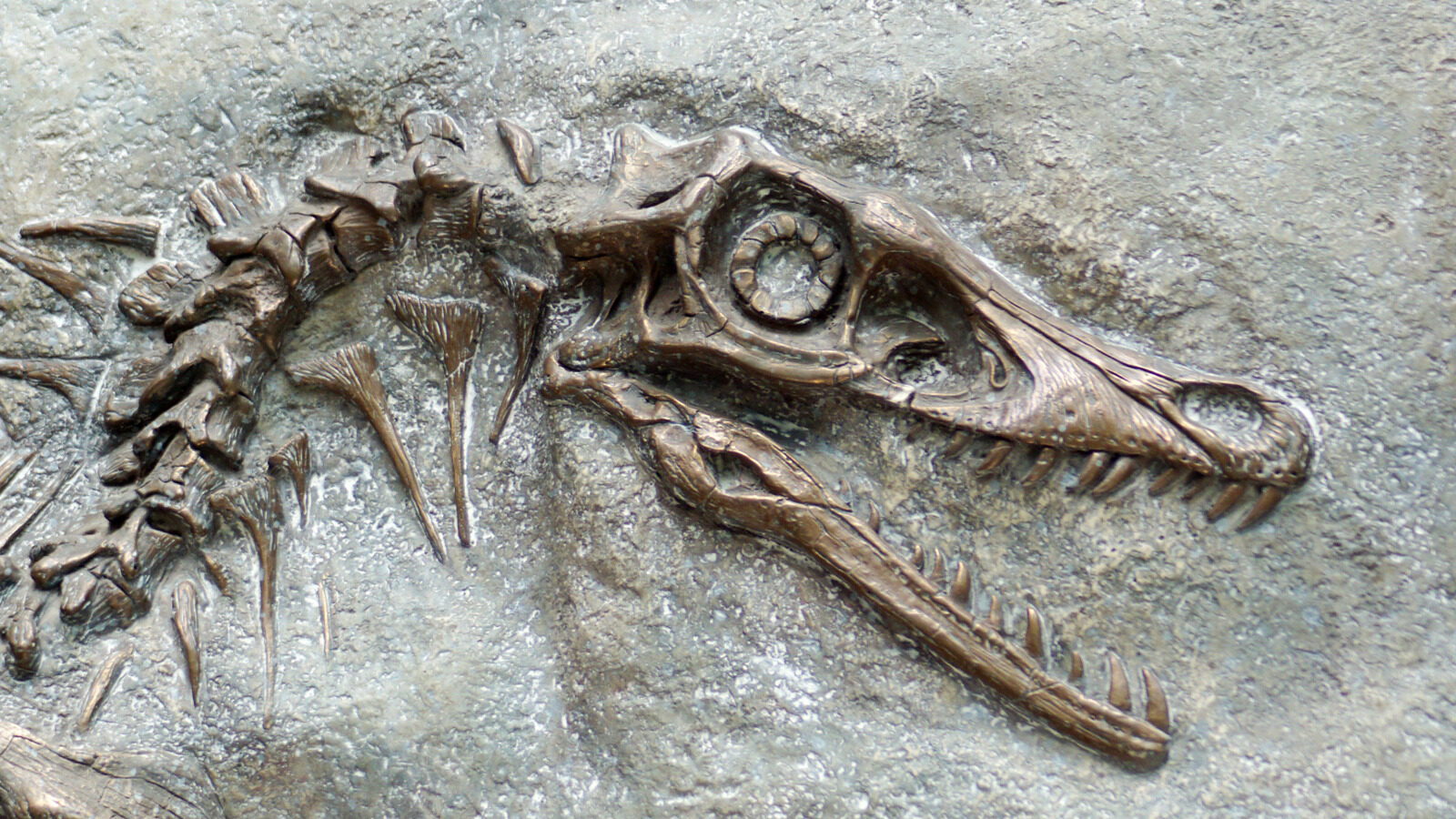
The key to unraveling the daily activity patterns of dinosaurs lies in a specific bone structure known as the scleral ring. This bony ring surrounds the eye and plays a crucial role in determining the size of the pupils, which can be indicative of whether an animal is diurnal or nocturnal.
In mammals, pupil size can vary based on light conditions, but since fossils do not contain soft tissue, paleontologists had to rely on scleral rings for clues. This discovery was made possible by comparing these fossilized structures with those of modern birds, the closest living relatives of dinosaurs.
The scleral rings of various species can provide insights into their activity patterns:
- Nocturnal species: Generally possess larger scleral rings.
- Diurnal species: Tend to have smaller scleral rings.
- Cathemeral species: Display intermediate sizes, suggesting activity during both day and night.
This research allows scientists to piece together how different species may have spent their time and the environmental adaptations they developed over millions of years.
Which dinosaurs were diurnal, and which were nocturnal?
By examining 33 dinosaur fossils alongside 164 bird species, researchers have concluded that the dinosaur kingdom was not limited to a single daily rhythm. Instead, they exhibited a variety of activity patterns:
- Diurnal Dinosaurs: Some species, as previously thought, were primarily active during the day.
- Nocturnal Dinosaurs: Certain carnivorous species, including velociraptors, showed evidence of being night hunters.
- Cathemeral Dinosaurs: These species were active during both day and night, likely adapting their behaviors based on food availability and predation pressures.
This nuanced understanding of dinosaur behavior not only sheds light on their lifestyles but also offers a glimpse into the ecological dynamics of their environments.
Insights from Fossil Examination
The research indicated that the scleral rings of pterosaurs and early avian dinosaurs were relatively small compared to their body sizes. This suggests a predominance of daytime activity among these species.
On the other hand, large herbivorous dinosaurs, such as diplodocus, displayed medium-sized scleral rings, indicating they likely foraged both in daylight and darkness. This duality in activity would have been essential for their survival, considering their massive size and the need for constant feeding.
In contrast, the famous velociraptor, with its notably large scleral rings, paints a different picture. It suggests that these agile predators were well-adapted to hunting under the cover of darkness, exploiting the element of surprise against their prey.
The Impact of These Findings on Paleontology
These revelations have significant implications for the field of paleontology. The understanding of dinosaur behavior has traditionally been limited by assumptions about their activity patterns. With the advent of this new research, scientists can now approach dinosaur behavior with a more flexible and informed perspective.
Moreover, it allows for a reevaluation of the ecological roles that dinosaurs played in their environments. For example, knowing that some dinosaurs were active at night can lead to new insights about predator-prey dynamics, resource competition, and how these animals interacted with their habitats.
The Future of Dinosaur Research
As more fossils are discovered and technology advances, the study of dinosaur activity patterns will likely continue to evolve. Enhanced imaging techniques and more sophisticated analyses of fossilized remains can provide even deeper insights.
In addition to scleral rings, researchers are also examining other anatomical features that may indicate behavioral adaptations, such as:
- Jaw structure, which can reveal dietary habits.
- Muscle attachment sites, indicating mobility and hunting strategies.
- Bone density, which may provide clues about lifestyle and habitat preferences.
With each new discovery, our understanding of dinosaurs becomes richer and more complex, painting a vivid picture of life during the Mesozoic era.
Conclusion: Rethinking Dinosaur Lifestyles
The findings regarding the scleral rings and the activity patterns of dinosaurs compel us to reconsider what we thought we knew about these ancient creatures. From diurnal giants foraging for food during the day to stealthy nocturnal hunters waiting for the night to strike, the diversity in their lifestyles reflects a sophisticated adaptation to their environments.
As we continue to explore the remnants of their world, the stories these fossils tell will undoubtedly reshape our understanding of what it meant to be a dinosaur in a world that was both familiar and drastically different from our own.