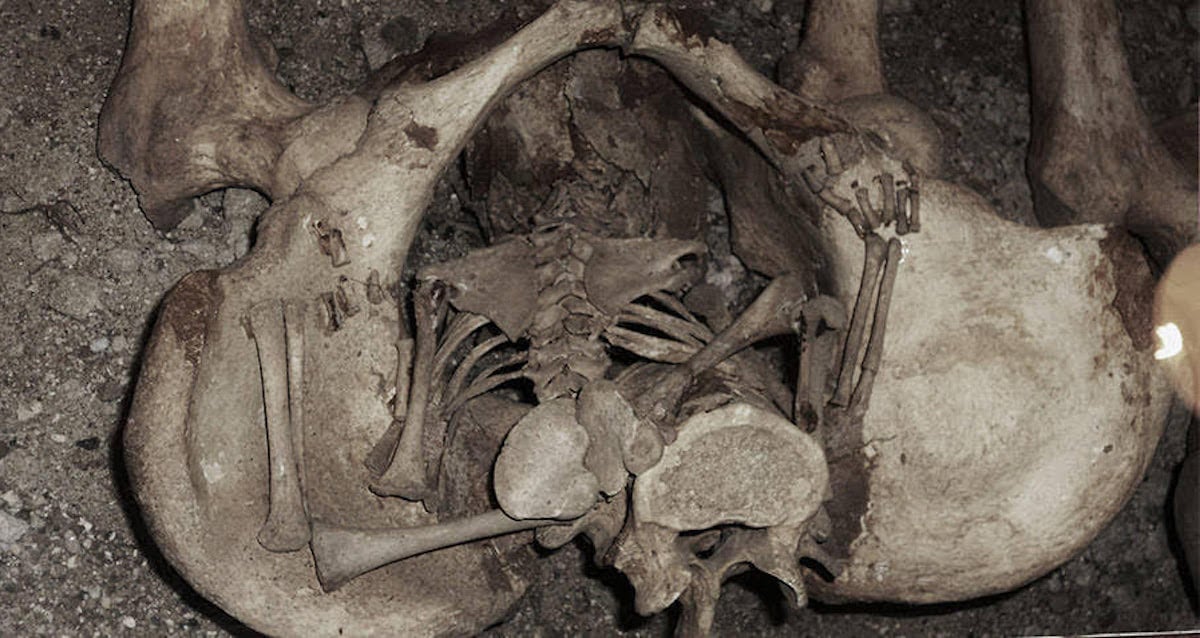
Coffin birth, a term that might sound like something out of a horror movie, is actually a rare and complex biological phenomenon. It describes the unsettling situation where a deceased pregnant woman’s body expels her fetus after death. This unusual occurrence isn’t driven by any conscious action or will but rather by a combination of factors that occur postmortem.
Imagine this: a pregnant woman passes away, leaving behind a body filled with gases produced by decomposition. These gases build up within the abdomen, causing pressure that can eventually overcome the strength of the uterine walls. This internal force pushes the fetus out, much like a natural birth but occurring after death. While it might sound gruesome, understanding coffin birth requires looking beyond the shock value and delving into the intricate workings of the human body even in its final stages.
Historical accounts offer glimpses into this phenomenon, with some suggesting instances where live births followed burial. Think about the chilling tale of Emme Toplace, allegedly giving birth to a live baby boy hours after her burial in 1650. These historical whispers add another layer of complexity and intrigue to coffin birth, making it more than just a scientific curiosity.
The Science Behind Coffin Birth
So, how exactly does this happen? It boils down to a fascinating interplay of biological processes that occur after death. As the body decomposes, gases like methane and carbon dioxide are produced within the abdomen. These gases build up, creating internal pressure that can eventually force its way out, much like a balloon being overfilled. The uterus, weakened by the absence of life-sustaining blood flow, becomes increasingly susceptible to this pressure.
Think of it like a delicate balance being disrupted. In life, the powerful contractions of the uterus are carefully regulated and controlled. But after death, those controls vanish, leaving the uterus vulnerable to the relentless force of gas build-up. This internal pressure eventually overcomes the strength of the uterine walls, leading to the expulsion of the fetus – a chilling testament to the body’s ongoing processes even in its final moments.
While the exact timing and circumstances can vary, the science behind coffin birth highlights the powerful and often unpredictable forces at play within the human body, even after death.
Historical Accounts and Folklore
Stories of coffin birth have haunted human consciousness for centuries, weaving themselves into folklore and historical records. These accounts, often tinged with superstition and fear, offer a glimpse into how cultures throughout history have grappled with this unsettling phenomenon. Imagine a time before modern medicine, where death was less understood and more shrouded in mystery. In such an environment, the unexplained events surrounding coffin birth were likely interpreted through the lens of folklore and religious beliefs.
One chilling example comes from 1551 Spain, where a woman hanged by the Spanish Inquisition reportedly gave birth to two dead infants after her execution. The tale spread like wildfire, fueling both fear and fascination with the power of life and death. Even more perplexing are accounts suggesting live births following burial, such as the story of Emme Toplace in 1650 who allegedly delivered a live baby boy hours after her interment. These historical whispers add another layer to coffin birth, blurring the lines between reality and myth.
While most historical accounts lack the scientific rigor of modern investigations, they serve as a reminder that human curiosity about death and the mysteries surrounding it has spanned centuries. The enduring fascination with coffin birth, woven into folklore and history, speaks volumes about our ongoing quest to understand the complexities of life and death.
 Creepy Crawlers Toxic: Dangerous Toys From Our Past
Modern Cases and Legal Implications
Thankfully, modern medicine and embalming practices have dramatically reduced the occurrences of coffin birth. We now understand the biological processes at play, and these interventions effectively prevent the buildup of gases within the body after death. However, cases do still emerge occasionally, serving as sobering reminders that this phenomenon remains a possibility despite advancements in our understanding and control over death.
In recent years, high-profile murder cases have brought coffin birth back into the public eye. The 2018 murder of Shanann Watts, where her body expelled her 15-week-old fetus, shocked the nation and spurred renewed discussion around this rare occurrence. These tragic events highlight not only the biological reality of coffin birth but also its legal implications. In cases involving homicide, the presence of a posthumous delivery can complicate investigations and provide crucial evidence for prosecutors.
The legal ramifications of coffin birth are complex and often hinge on the specifics of each case. However, these instances underscore the importance of thorough forensic analysis and the need to carefully consider all available evidence when investigating deaths, especially those involving potential foul play. Coffin birth serves as a chilling reminder that even in death, the human body can continue to reveal secrets and provide clues to unraveling complex mysteries.
Archaeological Evidence
While modern medical advancements have shed light on coffin birth, archaeological discoveries offer a fascinating glimpse into this phenomenon’s history stretching back centuries. These unearthed remains provide tangible evidence of postmortem fetal extrusion occurring throughout different eras and cultures. Imagine unearthing ancient burial sites where the skeletons reveal the presence of a deceased mother with her fetus expelled after death.
These archaeological findings demonstrate that coffin birth isn’t merely a modern curiosity but a phenomenon deeply embedded in human history. The discovery of such cases in diverse geographical locations and time periods adds weight to the historical accounts and reinforces the idea that this biological event has persisted across generations.
Such archaeological evidence sheds light on the evolution of our understanding of death and the mysteries surrounding the human body even beyond its earthly existence. These discoveries serve as a powerful reminder that even centuries after their passing, the deceased can continue to teach us about ourselves and the intricate workings of life and death.
A Reminder of Life’s Mysteries
Coffin birth, despite its unsettling nature, serves as a powerful reminder of the enduring mysteries surrounding life and death. It highlights the complex interplay of biological processes that continue even after our physical existence has ended. This phenomenon challenges us to confront the boundaries between life and death, reminding us that the human body remains a source of wonder and exploration even in its final stages.
While we’ve made strides in understanding coffin birth through scientific inquiry, it still retains an element of enigma, prompting us to ask deeper questions about consciousness, mortality, and the very nature of being. These unsettling events force us to acknowledge the limits of our knowledge and embrace the awe-inspiring complexity of the human experience.
Perhaps the most profound takeaway from coffin birth is its ability to evoke a sense of humility in the face of life’s inherent mysteries. It reminds us that even as we strive for understanding, there will always be elements beyond our grasp, urging us to approach both life and death with a sense of reverence and curiosity.