
The term “kissing bug” may evoke a sense of curiosity or even affection, but in reality, it conceals a serious public health concern. This insect, widely recognized as the primary vector for Chagas disease, poses a significant threat not only in tropical regions but increasingly within the United States. Understanding the implications of this disease is crucial for both personal health and public awareness.
As reports from the Centers for Disease Control and Prevention (CDC) highlight the growing presence of Chagas disease in the U.S., it is imperative to delve deeper into its biology, transmission, and the essential steps for awareness and prevention.
Understanding Chagas disease and its transmission
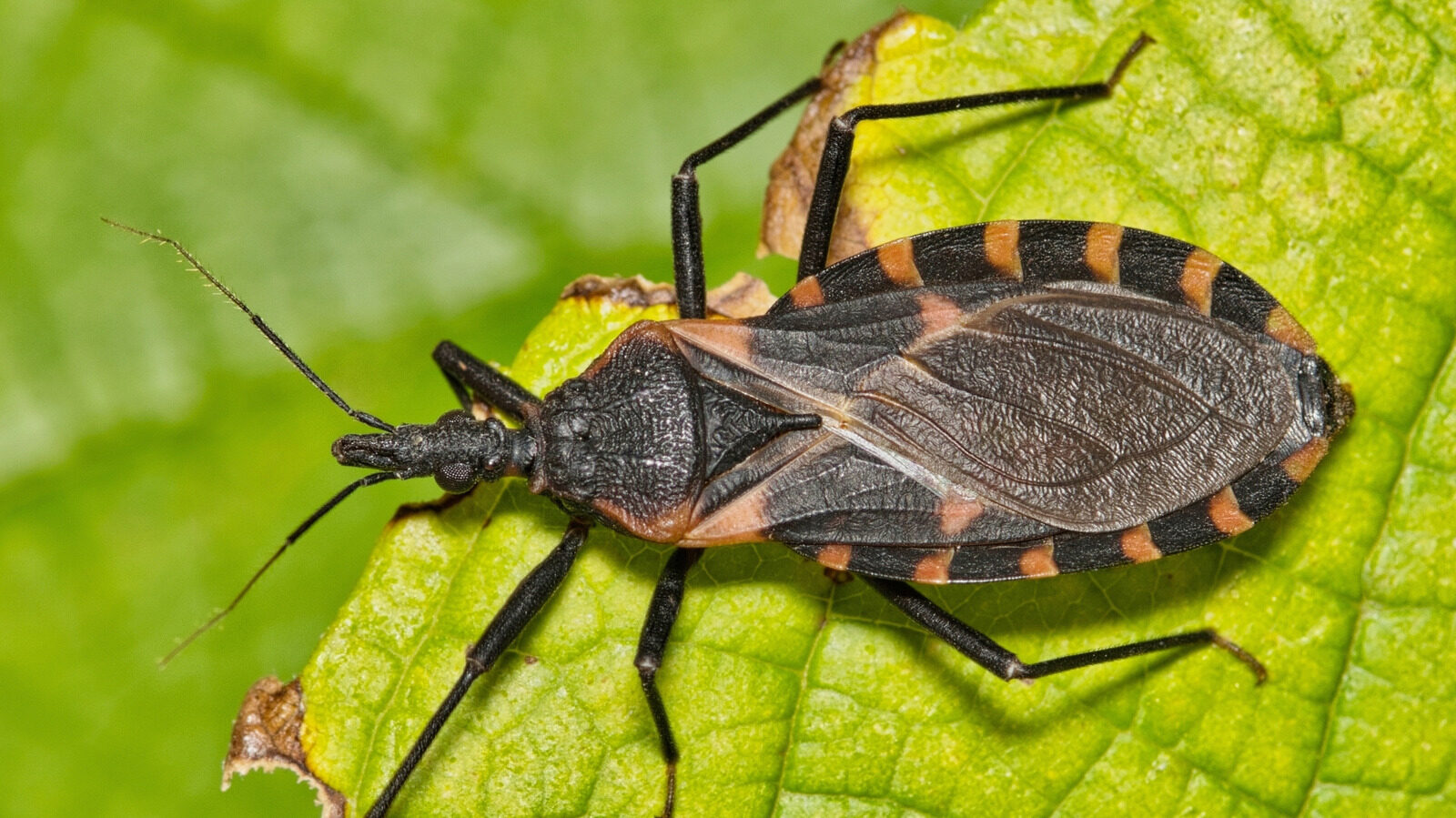
Chagas disease is caused by the Trypanosoma cruzi parasite, which is primarily transmitted through the feces of kissing bugs, scientifically known as triatomine insects. These bugs are notorious for their nighttime feeding habits, often biting humans on the face while they sleep. The infection occurs when the feces containing the parasite come into contact with mucous membranes or open wounds.
While traditionally associated with rural areas in Latin America, the CDC now recognizes that Chagas disease is endemic in several states across the U.S., including:
- Texas
- California
- Louisiana
- Mississippi
- Arkansas
- Missouri
- Tennessee
- Arizona
In these regions, the risk of transmission is heightened as the kissing bug population flourishes, often in close proximity to human dwellings. Notably, the areas bordering Mexico, particularly along the Rio Grande, report the highest incidence of Chagas disease.
The biology behind the kissing bug and its dangers
Kissing bugs belong to the Reduviidae family and are often mistaken for other insects due to their size and appearance. They share predatory traits with assassin bugs but are unique in their feeding behavior, specifically targeting the blood of mammals. While their bite is generally painless, the itchiness that follows can lead to scratching and potential exposure to their feces.
Research indicates that approximately 50% of kissing bugs may carry the T. cruzi parasite, which directly correlates with the rising number of Chagas disease cases. The CDC estimates that there are between 300,000 and 1 million cases of Chagas infections in the United States. This alarming statistic underscores the need for public education and awareness regarding this parasitic disease.
Symptoms of Chagas disease can vary significantly. Acute symptoms may include:
- Fever
- Fatigue
- Swelling at the site of the bite
- Body aches
- Rash
However, many individuals remain asymptomatic, making it challenging to track the spread of the disease. Approximately one-third of those infected will eventually develop chronic Chagas disease, which can lead to severe complications, including heart disease and digestive issues.
CDC’s warning: What it means for public health
The CDC’s classification of Chagas disease as endemic in the U.S. has raised concerns among health officials, but it also highlights the importance of awareness and preventive measures. Chagas disease has existed in the U.S. for centuries, with evidence of infections dating back over 1,000 years, as seen in mummies discovered in Texas.
The increase in reported cases may reflect improved diagnostic methods rather than a true rise in infections. Experts debate whether this uptick signifies an actual expansion of the disease’s range or simply a better understanding and reporting of existing cases. The kissing bug is not an invasive species; rather, it has been a long-standing presence in certain regions.
Despite the unsettling nature of the CDC’s warning, it is essential to frame it as an opportunity for increased public health initiatives. The goal is to enhance:
- Surveillance of Chagas disease
- Research into its epidemiology
- Public health responses to potential outbreaks
By raising awareness, the CDC aims to empower communities to take proactive steps in preventing the transmission of Chagas disease. Knowledge about the kissing bug and the disease can lead to better vigilance and personal safety measures.
Preventive measures and public education
To combat the spread of Chagas disease, public education is paramount. Understanding how kissing bugs thrive and how to minimize exposure is critical. Here are some key preventive measures:
- Seal cracks and openings in homes to prevent entry.
- Use screens on windows and doors.
- Maintain clean outdoor areas to discourage bug habitats.
- Regularly check pets for kissing bugs and keep them indoors at night.
- Educate communities about the risks and symptoms of Chagas disease.
Furthermore, healthcare providers should be trained to recognize and diagnose Chagas disease, especially in populations at risk. Expanding access to testing and treatment can help manage and reduce the burden of this disease.
Conclusion: A call for vigilance and awareness
As the landscape of Chagas disease continues to evolve, it is vital for individuals and communities to remain vigilant. The CDC’s recognition of this disease as endemic in the U.S. serves as a critical reminder of the ongoing need for public health awareness and preventive measures. Armed with knowledge and proactive strategies, we can work together to mitigate the risks associated with this serious disease.