Imagine witnessing a spectacle in nature that challenges everything you thought you knew about animal behavior. Scientists recently encountered an extraordinary event: the bumblebee catfish, a relatively unknown species, was observed climbing waterfalls. This remarkable behavior not only sheds light on this enigmatic fish but also raises questions about its adaptability and survival strategies in changing ecosystems.
The discovery of the bumblebee catfish engaging in such an unusual activity has captivated researchers and enthusiasts alike, prompting further exploration into its ecological role and the challenges it faces in its natural habitat.
Observing bumblebee catfish in action
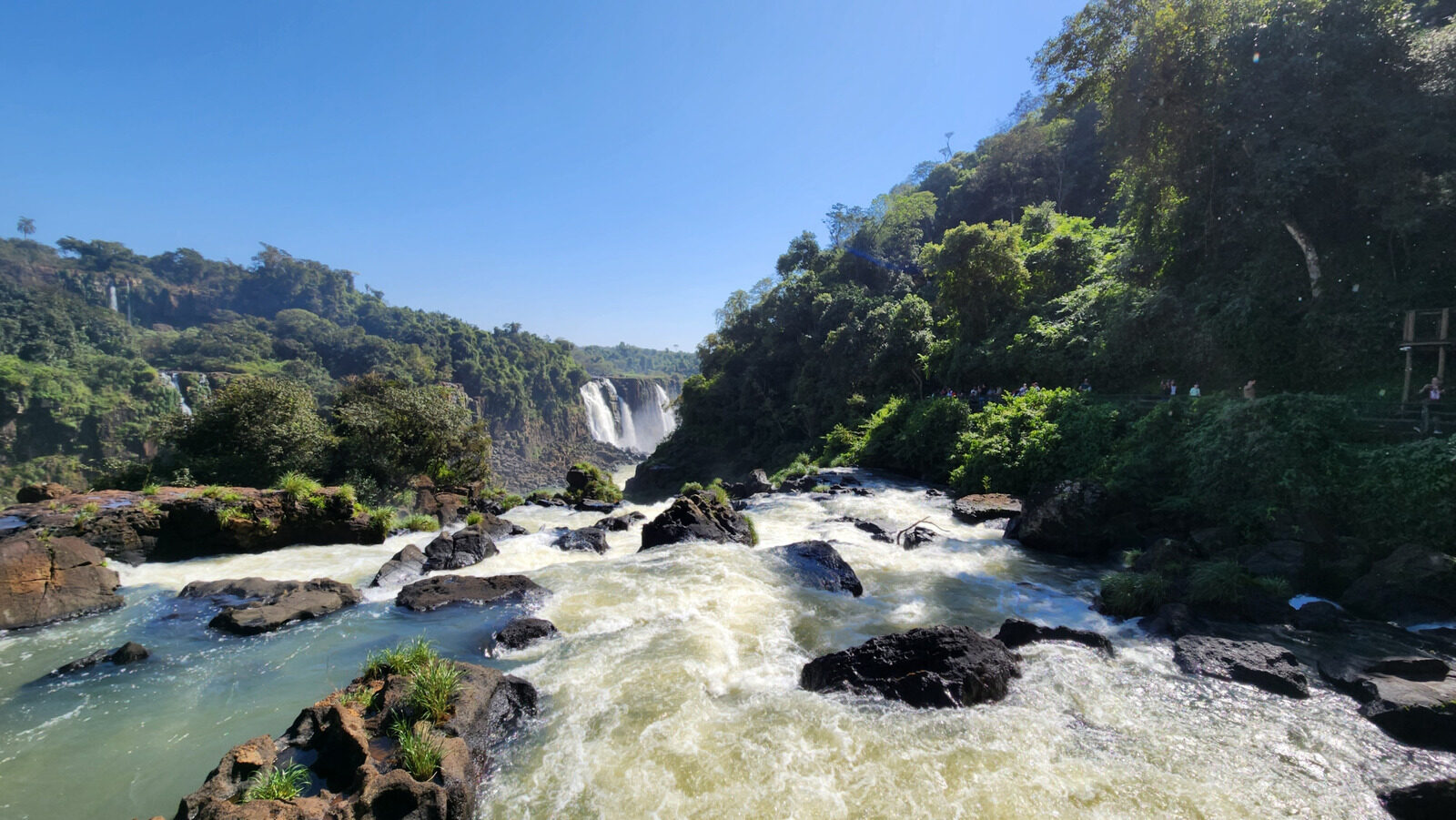
In November 2024, during the onset of the rainy season, environmental police in Brazil made an astonishing observation: thousands of bumblebee catfish (Rhyacoglanis paranensis) were seen scaling waterfalls in Rochedo, located in the western state of Mato Grosso do Sul. The fish were not only climbing but doing so in unison with three other fish species, showcasing a collaborative behavior seldom seen in aquatic environments.
Researchers noted that these fish were capable of ascending rocks ranging from 3.3 to 13.1 feet high. They utilized a combination of physical techniques to propel themselves upwards:
- Rocking Motions: The fish employed a rhythmic rocking motion to gain momentum.
- Tail-Flipping: A swift flick of the tail helped propel them forward.
- Suction Mechanism: By creating a small area between their bodies and the rocks, they maintained a grip while climbing.
Moreover, these resilient creatures took strategic breaks during their ascent, often sheltering under larger rocks to escape the midday heat. This behavior indicates not only their adaptability but also their awareness of environmental conditions. The sudden rise in water levels, likely due to heavy rains, seems to have triggered this migration upstream, hinting at a potential reproductive strategy.
The ecological significance of climbing behavior
The act of climbing waterfalls is not merely an intriguing spectacle; it suggests a deeper ecological significance. This behavior may be akin to the upstream migration observed in salmon, where they navigate challenging terrains to spawn. However, unlike salmon, which often receive assistance via man-made devices such as salmon cannons, bumblebee catfish rely solely on their physical abilities to conquer such obstacles.
This newfound behavior raises several questions about the species’ life cycle and reproductive strategies:
- Migration Timing: The correlation between rainy seasons and climbing behavior suggests that environmental cues significantly influence reproductive cycles.
- Survival Strategies: Climbing may enhance their chances of finding suitable spawning sites away from predators.
- Social Behavior: The presence of multiple species climbing together offers insights into interspecies interactions and ecological dynamics.
Understanding the bumblebee catfish
The bumblebee catfish, classified as Rhyacoglanis paranensis, is a relatively recent addition to ichthyology, having been described only in 2017. This genus is characterized by its striking coloration—orange and black with distinct dark bands—which has earned it the nickname “bumblebee.” Further, this small species reaches lengths of approximately 3.5 inches and is primarily found in fast-flowing waters such as the upper Rio Paraná basin in Brazil.
Despite initial assumptions about their widespread presence, the construction of hydroelectric power plants along the upper Rio Paraná poses a significant threat to their populations. This habitat degradation has made it crucial for researchers to better understand the bumblebee catfish’s ecological role and the impact of human activities on their survival.
The challenges of studying bumblebee catfish
While the recent observations have provided valuable insights, studying the bumblebee catfish remains challenging for several reasons:
- Lack of Research: Prior to this discovery, there was limited research on Rhyacoglanis paranensis, making it difficult to gather comprehensive data.
- Habitat Fragmentation: The ongoing construction of dams affects the natural habitats and migratory patterns of these fish.
- Ecological Observation: Increased field observations are necessary to understand their role in the ecosystem and to inform conservation efforts.
Researchers emphasize that the climbing behavior of the bumblebee catfish is just the tip of the iceberg. Understanding their ecological significance could lead to broader insights into aquatic ecosystems and the effects of environmental changes on fish populations.
The importance of conservation efforts
As studies on the bumblebee catfish continue, it becomes increasingly important to consider conservation measures that can help protect this unique species and its habitat. Potential conservation strategies could include:
- Habitat Protection: Establishing protected areas to safeguard their natural environments from human encroachment.
- Research Funding: Allocating resources to support ongoing studies and field research aimed at understanding the species better.
- Public Awareness: Raising awareness about the ecological importance of the bumblebee catfish and promoting sustainable practices among local communities.
Ultimately, the climbing behavior of the bumblebee catfish serves as a reminder of the fascinating complexities of nature and the need to protect our planet’s biodiversity. As research continues, these little fish have the potential to unlock new understandings about their ecosystems and the impacts of environmental changes.