The discovery of a new spider species can evoke a mix of curiosity and apprehension, especially for those who harbor a fear of arachnids. However, the unveiling of Aptostichus ramirezae, a newly clasified trapdoor spider found along the picturesque coast of California, brings not only intrigue but also a deeper understanding of our ecosystem. This article delves into the fascinating characteristics and ecological significance of this species, while also highlighting the challenges it faces in a rapidly changing environment.
Understanding Aptostichus ramirezae
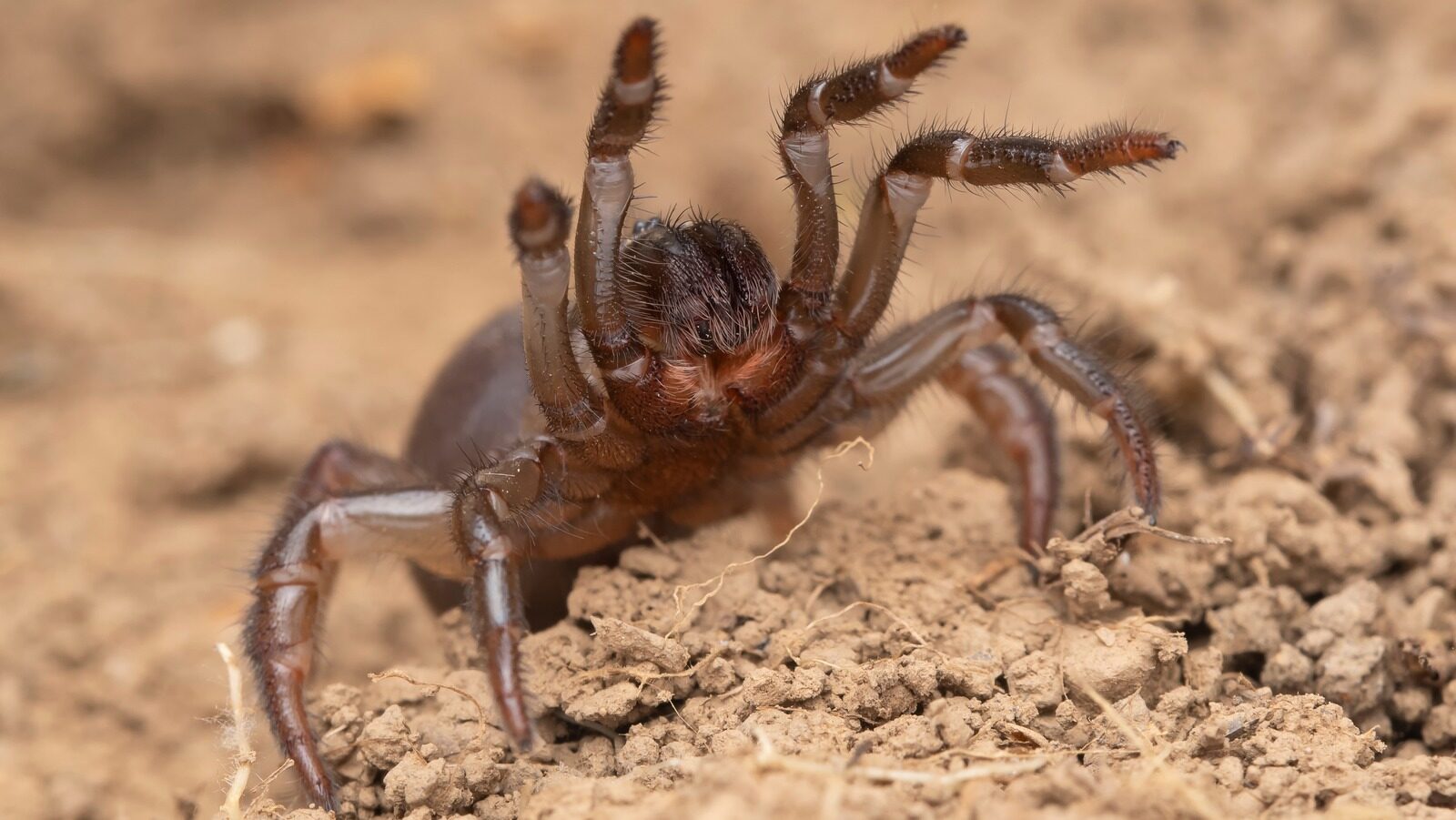
Aptostichus ramirezae is a remarkable species of trapdoor spider newly identified by scientists at the University of California, Davis. This spider, with its plump brown body approximately the size of a quarter, is often found burrowed beneath sand dunes, evading the eyes of beachgoers. However, those who are vigilant may catch a glimpse of these elusive creatures scuttling along the beaches from Monterey Bay to Baja California.
The unearthing of this species was made possible through rigorous genetic analysis, which revealed that Aptostichus ramirezae is distinct from the previously assumed species, Aptostichus simus. This discovery underscores the importance of genetic studies in understanding biodiversity, as many species may have been misidentified for years.
Interestingly, Aptostichus ramirezae is named in honor of Martina Giselle Ramirez, a well-respected expert in the field of trapdoor spiders. This acknowledgment highlights the collaborative efforts within the scientific community to acknowledge contributions that advance our understanding of arachnology.
Is Aptostichus ramirezae dangerous?
Upon learning about a new spider species, many may be immediately concerned about its potential danger to humans. Aptostichus ramirezae shares a family tree with tarantulas, which can lead to concerns about its venom. While it is indeed venomous, it is crucial to note that its venom poses no threat to human health. The fangs of this spider are positioned in such a way that they would struggle to penetrate human skin.
For those who may find themselves in close proximity to these creatures, such as when attempting to catch or handle them, a bite may occur as a defensive reaction. However, the pain from such a bite is comparable to that of a bee sting—unpleasant but not life-threatening. This reaffirms the notion that while spiders can be intimidating, they often pose little risk to humans.
The predatory behavior of Aptostichus ramirezae
Despite their relatively harmless nature to humans, Aptostichus ramirezae plays a significant role in the coastal ecosystem as a predator of insects. These trapdoor spiders are known for their unique hunting technique, which involves constructing silk-lined burrows topped with camouflaged trapdoors.
- Ambush Predators: Aptostichus ramirezae lies in wait within its burrow, utilizing vibrations to detect prey nearby.
- Rapid Attacks: Once vibrations signal the approach of an insect, the spider can swiftly burst through its trapdoor, seizing its unsuspecting victim.
- Natural Pest Control: By preying on insects, these spiders help maintain the balance of coastal ecosystems, preventing pest populations from exploding.
This predatory behavior is not just fascinating; it serves a critical function in the ecosystem. Without such spiders, insect populations could grow unchecked, leading to detrimental effects on plant life and, consequently, the entire food web.
The vulnerabilities of Aptostichus ramirezae
Despite their ecological importance, Aptostichus ramirezae faces significant challenges due to environmental changes. As with many species around the globe, this spider is experiencing the dire consequences of climate change, habitat loss, and urbanization.
 Why Some Ice Cream Doesn’t Melt Explained by Science
Some of the specific threats include:
- Coastal Erosion: Rising sea levels and increased storm activity are eroding the sandy habitats where these spiders thrive.
- Urban Development: The expansion of human activity along the coast leads to habitat fragmentation, isolating spider populations.
- Wildfires: California’s frequent wildfires further threaten the delicate ecosystem, destroying habitats and food sources.
Furthermore, the realization that Aptostichus ramirezae and Aptostichus simus are distinct species has heightened concerns regarding their conservation status. Previously thought to have a broader distribution, many spider populations previously classified as Aptostichus simus are now recognized as Aptostichus ramirezae, revealing a much smaller population and thus a greater risk of extinction.
The importance of conservation efforts
Understanding the ecological role of Aptostichus ramirezae is crucial for conservation efforts. As both species cannot interbreed, and given the isolation of their populations, targeted conservation measures must be implemented to ensure their survival. Conservationists emphasize the following strategies:
- Habitat Protection: Safeguarding coastal habitats from erosion and urban development is essential to provide a stable environment for these spiders.
- Restoration Projects: Initiatives aimed at restoring degraded habitats can help improve conditions for spider populations to thrive.
- Public Awareness: Educating the public about the ecological significance of spiders can foster a sense of stewardship, encouraging people to protect their natural surroundings.
As we delve deeper into the natural world, it becomes increasingly clear that even the smallest creatures, like Aptostichus ramirezae, play a vital role in maintaining the balance of our ecosystems. Their protection is not just about saving a species but preserving the intricate web of life that sustains us all.