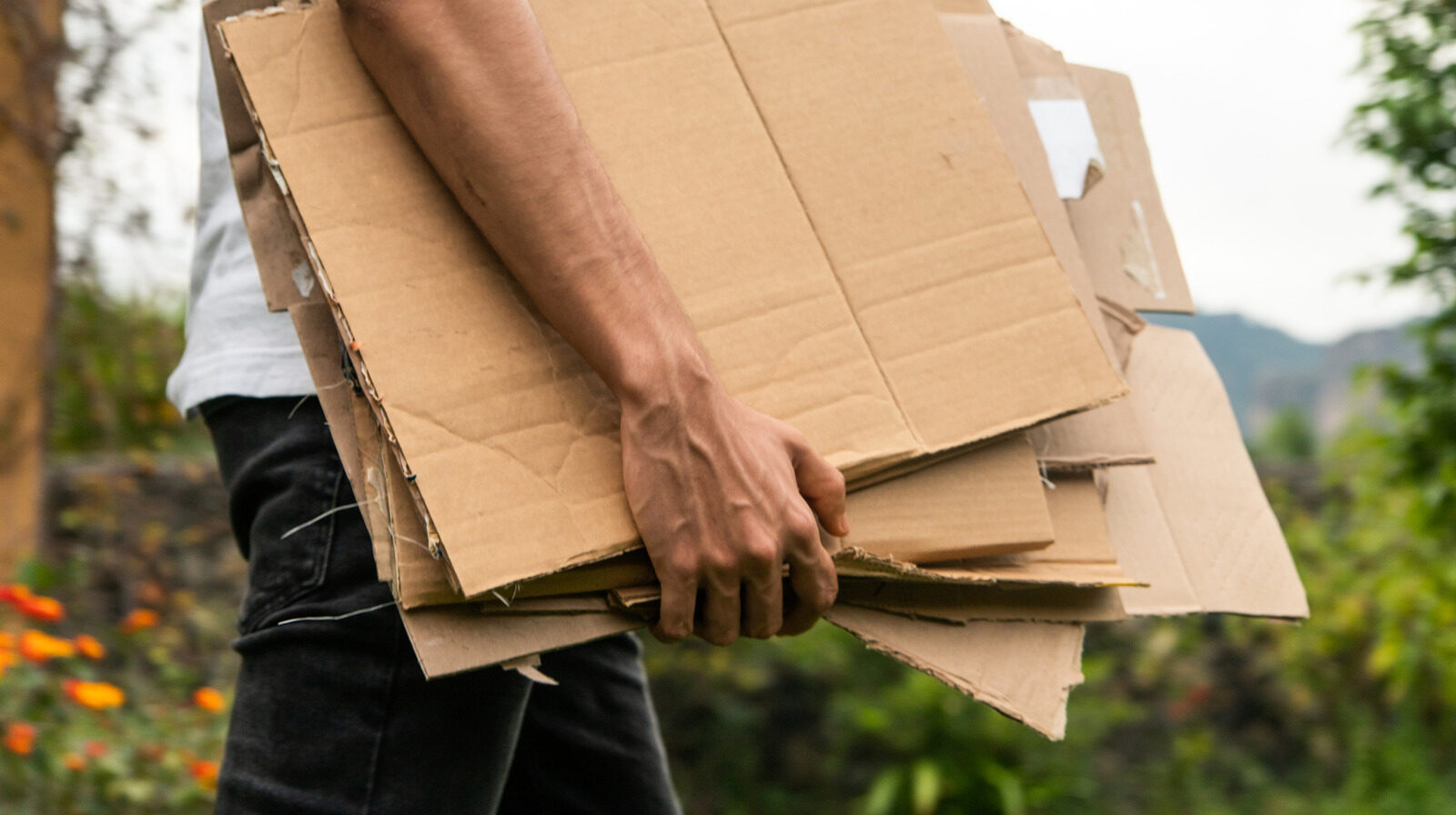
The cardboard method has gained popularity among gardeners, especially as they prepare their plots for the winter season. This simple yet effective technique not only enhances soil health but also promotes sustainable gardening practices. Let’s explore how this method works and why it has become a go-to strategy for many green thumbs.
Understanding the cardboard method in gardening
The “cardboard method” involves using cardboard as a natural mulch to improve soil quality and suppress weeds. It’s an environmentally friendly approach that utilizes materials that would otherwise end up in landfills. By laying cardboard over garden beds, gardeners create a protective barrier that supports microbial life and enriches the soil.
To implement the method, follow these simple steps:
- Collect raw cardboard without plastic or glossy prints.
- Wet the cardboard thoroughly to make it pliable.
- Cover the wet cardboard with a layer of topsoil or wood chips.
As a result, the cardboard acts like a layer of lasagna—interspersed with nutrients that foster a thriving ecosystem beneath the surface. This layered approach creates a hospitable environment for beneficial microorganisms that are essential for plant health.
The science of making a garden soil ‘lasagna’
While cardboard is a popular choice, you can also utilize other materials for sheet mulching, such as newspapers and thick paper. These materials are rich in cellulose, which is crucial for soil health. The cellulose fibers in these items create a semi-permeable barrier that allows air and moisture to pass through while still protecting the soil underneath.
As winter temperatures drop, the microbes beneath the cardboard continue breaking down organic materials in the soil. This biological activity generates heat, which helps maintain a stable temperature for the microorganisms. Here’s what happens throughout the winter:
- The cardboard decomposes, enriching the soil with cellulose.
- Microbial activity continues, keeping the soil lively and warm.
- As the cardboard breaks down, it connects the mulch layer with the soil, fostering nutrient exchange.
This process ensures that when spring arrives, the soil is ready to support a new crop of plants, fully revitalized and nutrient-rich.
Environmental benefits of using cardboard in gardening
In addition to enhancing soil health, using cardboard in gardens has several environmental benefits. Here are a few:
- Waste reduction: By repurposing cardboard, gardeners can significantly reduce waste that would otherwise contribute to landfill overflow.
- Natural insulation: The cardboard provides insulation during colder months, preventing frost damage to soil and roots.
- Resource conservation: By improving soil health, the method can lead to less reliance on chemical fertilizers and pesticides.
This sustainable practice contributes positively to the environment and creates a healthier garden ecosystem.
Tips for successful sheet mulching with cardboard
To make the most out of the cardboard method, consider these tips:
- Ensure the cardboard is clean and free of contaminants.
- Layer additional organic materials, like leaves or grass clippings, to enhance nutrient content.
- Monitor moisture levels to prevent the cardboard from drying out too quickly, especially in dry climates.
Implementing these strategies can optimize the effectiveness of your cardboard method, resulting in a lush and productive garden.
Real-life examples of cardboard gardening success
Many gardeners have reported positive experiences using this method. For instance, a community garden in Portland, Oregon, utilized the cardboard method to convert a barren lot into a flourishing garden space. They laid down layers of cardboard during the fall and saw remarkable growth the following spring.
Similarly, home gardeners across the United States have shared their success stories, highlighting how using cardboard has helped them achieve vibrant flower beds and vegetable patches. The testimonials serve as a testament to the efficacy of this gardening technique and its ability to transform poor soil into a thriving habitat.
Conclusion: Embracing sustainable gardening practices
As gardeners continue to seek eco-friendly methods to enhance their plots, the cardboard method stands out as a practical and beneficial approach. By understanding and applying this technique, gardeners can not only improve their soil health but also contribute to a more sustainable future.