The year 1999 witnessed a tragic event that shook the world of nuclear safety: the Tokaimura nuclear accident in Japan. This incident involved a catastrophic error during fuel production at the Tokaimura Nuclear Power Plant, resulting in an uncontrolled release of radiation and exposing its workers to lethal levels.
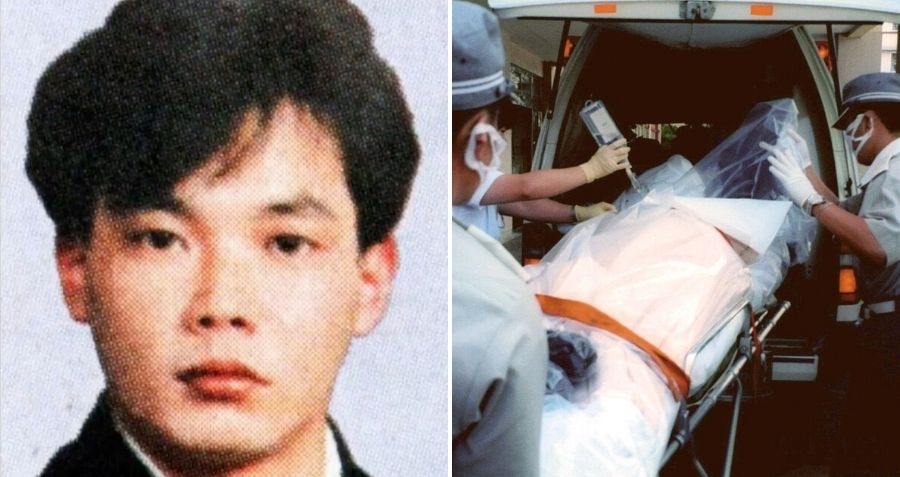
At the heart of this tragedy was Hisashi Ouchi, a technician who unknowingly became the victim of a chain of unfortunate events. Due to negligence and safety shortcuts, he and two colleagues mistakenly mixed uranium during fuel production, triggering a critical mass explosion that unleashed a deadly wave of radiation. The consequences were devastating for Ouchi, who endured an unimaginable 17 sieverts of radiation – a staggering amount far exceeding the fatal threshold of 7 sieverts. His ordeal became a chilling reminder of the immense power and potential danger of nuclear energy.
Ouchi’s case is a stark example of the profound impact that radiation exposure can have on the human body. He experienced excruciating pain, internal organ damage, and a complete absence of immune function, leaving him vulnerable to infections that ultimately proved fatal. Despite experimental stem cell transplants and intensive care, his condition rapidly deteriorated over 83 days, culminating in multiple heart attacks before succumbing to multi-organ failure. His story serves as a poignant testament to the human cost of nuclear accidents and the urgent need for stringent safety protocols to prevent such tragedies from recurring.
The Tokaimura Nuclear Accident
The Tokaimura Nuclear Accident, a stark reminder of the potential dangers of nuclear energy, occurred on September 30, 1999, at the Tokaimura Reprocessing Plant in Japan. This facility was responsible for reprocessing spent nuclear fuel from commercial reactors, extracting usable uranium and plutonium while also handling highly radioactive materials. The accident unfolded during a routine operation focused on blending diluted nitric acid with highly enriched uranium powder.
Tragically, a critical error occurred when a safety valve malfunctioned, leading to an uncontrolled release of radiation into the plant’s environment. This catastrophic event exposed three workers to lethal doses of radiation: Hisashi Ouchi, Masato Shinohara, and Yutaka Yokokawa. Yokokawa, the supervisor, sustained minor injuries but faced criminal charges for negligence due to his role in implementing safety shortcuts that ultimately contributed to the accident.
The consequences were immediate and devastating. Ouchi, who absorbed an unimaginable 17 sieverts of radiation—over twice the lethal dose—became the most severely affected worker and a symbol of the human cost of nuclear accidents. His tragic story unfolded over the following weeks as he endured excruciating pain and multiple organ failures before succumbing to his injuries after 83 days. Shinohara, despite receiving extensive medical treatment, also succumbed to radiation poisoning seven months later. The Tokaimura accident served as a wake-up call for the international nuclear community, highlighting the critical need for stringent safety protocols and comprehensive emergency response plans to prevent such tragedies from ever recurring.
Hisashi Ouchi: A Devastating Dose
Hisashi Ouchi’s story is a harrowing testament to the devastating effects of radiation exposure. He became the victim of one of the most severe cases of radiation poisoning ever recorded, absorbing an astounding 17 sieverts – far exceeding the fatal threshold of 7 sieverts. This catastrophic dose resulted from his involvement in the Tokaimura Nuclear Accident, where a critical error during fuel production led to an uncontrolled release of radiation within the plant.
Ouchi’s body was subjected to immense damage as his internal organs failed and his immune system collapsed. He endured excruciating pain, constant nausea, vomiting, and agonizing burns across his skin. His condition rapidly deteriorated over the following weeks, marked by persistent infections, multiple organ failures, and ultimately, a series of heart attacks. Despite numerous experimental stem cell transplants and intensive care, no treatment could halt the relentless onslaught of radiation within his body.
The radiation man kept alive for 83 days became a symbol of the fragility of human life in the face of such immense forces. His tragic story serves as a stark reminder of the need for stringent safety measures and comprehensive emergency response plans in any facility handling radioactive materials.
Medical Response and Deterioration
In the immediate aftermath of the Tokaimura accident, Hisashi Ouchi was rushed to receive emergency medical care at the National Hospital Organization Tokyo Medical Center. Doctors faced an unprecedented challenge as they attempted to treat him for acute radiation syndrome, a life-threatening condition caused by excessive exposure to ionizing radiation. His symptoms were severe and rapidly progressing, including internal bleeding, organ damage, and a complete collapse of his immune system.
A team of specialists worked tirelessly to manage his pain and stabilize his vital functions. They employed various treatments, such as blood transfusions, antibiotics, and medications to combat infections, but his condition continued to deteriorate despite their best efforts. The sheer magnitude of Ouchi’s radiation exposure posed a formidable obstacle, overwhelming his body’s natural defenses and leaving doctors with limited options.
Despite experimental stem cell transplants, designed to potentially regenerate damaged tissues and boost his immune system, there was no cure for the devastation inflicted by the most irradiated man. His condition worsened over time, marked by persistent infections, seizures, and multiple organ failures. He succumbed to multi-organ failure after a harrowing 83 days, forever etched in history as a tragic victim of nuclear accident’s unforgiving reality.
Aftermath and Legal Ramifications
The Tokaimura nuclear accident sent shockwaves throughout Japan and the international community, prompting a wave of investigations and safety reviews. The Japanese government launched a comprehensive inquiry to determine the causes of the accident and held several individuals accountable for their roles in the tragedy. Yutaka Yokokawa, the supervisor on duty during the incident, faced criminal charges for negligence due to his oversight in implementing safety shortcuts that contributed to the catastrophic event.
mass evacuations were ordered around the affected area, and thousands of residents underwent health checks to assess potential radiation exposure. The government also implemented stringent measures to enhance safety protocols at all nuclear facilities across Japan. In addition to criminal proceedings, the Japanese government reached a $121 million settlement with individuals affected by the accident, acknowledging the immense human and financial costs incurred as a result of this preventable disaster.
The Tokaimura accident remains a stark reminder of the potential dangers inherent in nuclear energy production and the importance of unwavering vigilance in maintaining safety standards. It led to significant changes in Japan’s nuclear regulatory framework, aiming to prevent similar tragedies from occurring in the future. The lessons learned from this event continue to inform international discussions on nuclear safety and the need for comprehensive emergency response plans to mitigate the devastating consequences of such accidents.
The Legacy of Radiation
The legacy of the Tokaimura accident extends far beyond the immediate tragedy and legal ramifications. It serves as a chilling reminder of the profound and lasting impact that radiation exposure can have on individuals, communities, and entire nations. The story of Hisashi Ouchi, the japanese radiation victim kept alive for 83 days, became a symbol of human vulnerability in the face of nuclear technology’s immense power.
His case brought to light the urgent need for comprehensive safety protocols, rigorous training for nuclear workers, and robust emergency response plans to prevent such disasters from recurring. The accident sparked global conversations about the responsible use of nuclear energy, prompting countries to re-evaluate their safety standards and invest in research to mitigate the risks associated with radiation exposure.
The Tokaimura incident continues to serve as a powerful cautionary tale, underscoring the importance of vigilance, accountability, and ongoing efforts to minimize the potential dangers posed by nuclear technology. It serves as a constant reminder that while nuclear energy offers immense possibilities, it also carries inherent risks that must be carefully managed and addressed with unwavering commitment to safety and human well-being.