Bowhead whales are not just fascinating creatures; they are also a key to understanding the mysteries of aging. These majestic mammals hold secrets that could reshape our understanding of lifespan and longevity, providing insights that extend far beyond the depths of the ocean. Delving into their biology reveals astonishing adaptations and mechanisms that may one day influence anti-aging research.
Understanding the bowhead whale’s remarkable characteristics
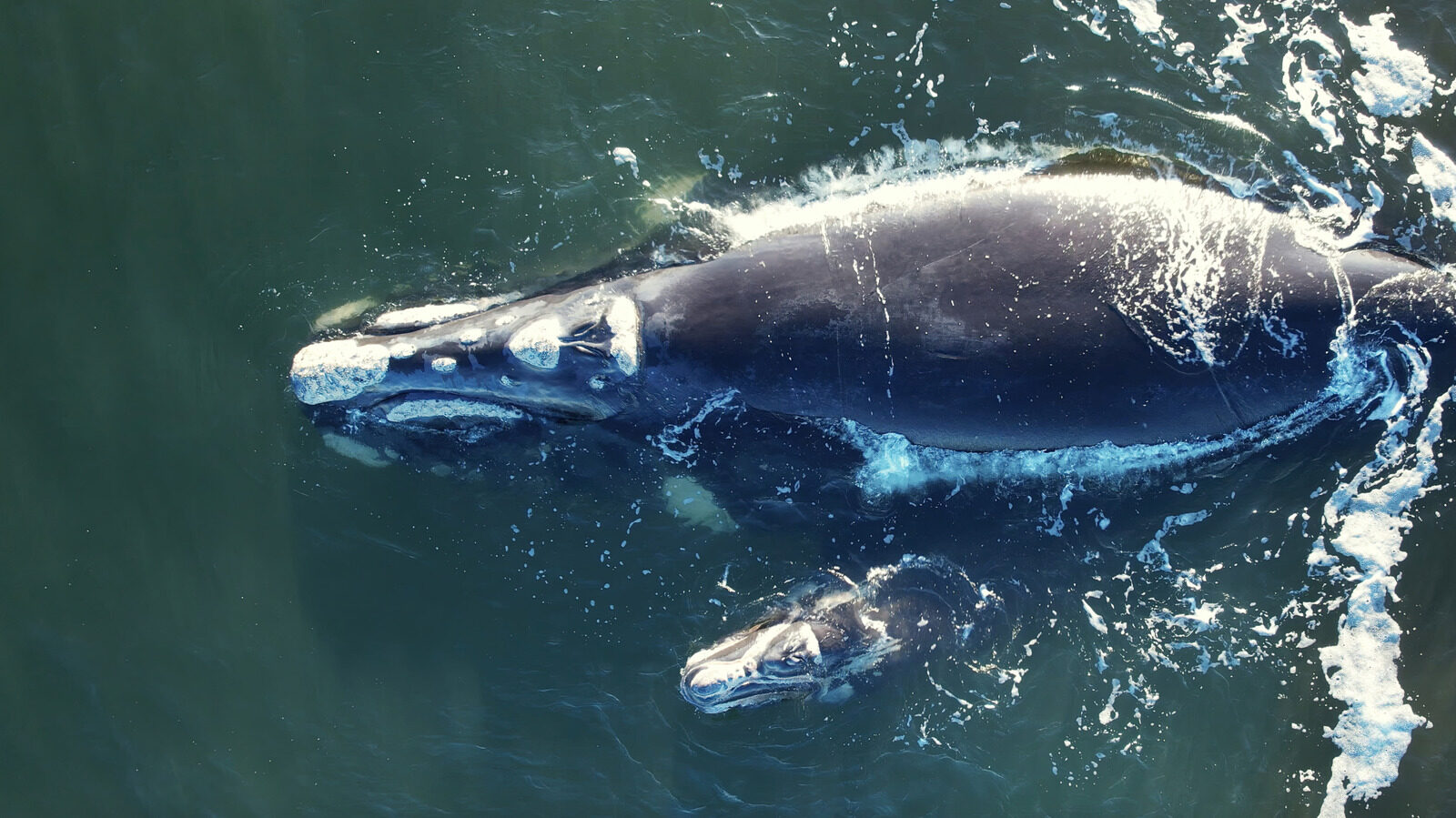
The bowhead whale, scientifically known as Balaena mysticetus, has captivated researchers with its unique traits. These whales can reach lengths of up to 65 feet and weigh as much as 200,000 pounds, making them one of the largest animals on the planet. Yet, what most people find surprising is their exceptional longevity.
One of the bowhead whale’s most notable features is its substantial layer of blubber, which can measure up to 18 inches thick. This blubber not only insulates the whale against the frigid Arctic waters but also serves as a crucial energy reserve during periods of food scarcity. Additionally, the bowhead’s skin is exceptionally thick, approximately 25 times that of human skin, enabling it to withstand harsh environmental conditions.
Moreover, the bowhead whale possesses the largest mouth of any animal, which aids in its filter-feeding mechanism, allowing it to consume vast quantities of small organisms. Its vocalizations are also remarkable; bowhead whales are known for their elaborate songs, which can travel long distances underwater. With these impressive attributes, the bowhead whale emerges as a quintessential example of adaptation in extreme environments.
The astonishing lifespan of bowhead whales
Bowhead whales are renowned for their extraordinary lifespan, often living over 200 years. This longevity surpasses that of any other mammal, raising intriguing questions about the biological mechanisms behind it. Researchers have used various methods to study the age of bowhead whales, including analyzing the lenses of their eyes, which contain proteins that accumulate over time.
One particularly infamous specimen was a bowhead whale discovered with a harpoon embedded in its blubber, dated back to the late 1800s. Scientists estimated this whale was about 211 years old, making it one of the oldest known living mammals. This fascinating discovery leads to the speculation that there may be even older bowhead whales swimming in the icy waters today.
What bowheads can teach us about aging
Biologists are increasingly interested in bowhead whales for their potential insights into aging. Understanding how these creatures defy the typical decline associated with aging could hold the key to developing anti-aging treatments for humans.
Research suggests that one primary factor contributing to aging is the accumulation of DNA mutations over time, often influenced by environmental factors such as diet, disease, and radiation. However, in bowhead whales, the onset of these mutations occurs significantly later due to their extended time to reach sexual maturity, which takes around 25 years.
Recent studies, including one published in Nature, have unveiled additional secrets behind their longevity. Contrary to the expectation that larger animals would experience higher cancer rates, bowhead whales demonstrate remarkably low incidences of cancer. Researchers discovered that bowheads possess high levels of a protein called CIRBP (cold-inducible RNA-binding protein), which plays a critical role in DNA repair.
 Uninhabited Islands: Exploring Worlds Without People
- CIRBP triggers: The production of CIRBP is stimulated by cold temperatures, which is fitting given that bowhead whales inhabit icy waters.
- DNA repair efficiency: Studies indicate that bowheads produce 100 times more CIRBP than humans, enhancing their ability to maintain cellular integrity.
- Implications for humans: Understanding CIRBP and its protective effects could have significant implications for developing therapies to combat various age-related diseases.
Why studying bowheads is crucial for marine biology
Researching bowhead whales provides insights not only into their biology but also into broader ecological and evolutionary questions. Their unique adaptations to living in extreme environments make them a vital species for studying climate change impacts on marine ecosystems.
As the Arctic sea ice continues to diminish, understanding the resilience of bowhead whales could inform conservation strategies for other marine species. Their ability to thrive in such harsh conditions serves as a testament to the complexities of marine life and the delicate balance of ocean ecosystems.
Conservation status and efforts
The bowhead whale was once heavily targeted during the whaling era, leading to significant population declines. However, conservation efforts have played a crucial role in their recovery. Today, they are classified as least concern by the International Union for Conservation of Nature (IUCN), but they still face threats from climate change and industrial activities in their habitat.
Conservation programs focus on:
- Monitoring populations and migration patterns.
- Reducing ship traffic in critical habitats.
- Implementing regulations on fishing practices to minimize bycatch.
By safeguarding bowhead whales and their environment, we not only protect a remarkable species but also gain invaluable knowledge that could enhance our understanding of longevity and resilience in the face of change.