Dinosaurs have long captured our imaginations, often overshadowed by their dramatic extinction event. Yet, a significant aspect of their biology—lifespan—remains less discussed. What if the lifespans of these magnificent creatures were not as grand as we once thought? Buckle up, as exploramos un tema fascinante que podría cambiar nuestra percepción sobre estos gigantes prehistóricos.
Understanding dinosaur lifespans in context
Dinosaurs are synonymous with Earth’s ancient history, but the details of their life cycles often go unnoticed. While we typically focus on their massive sizes or fearsome predatory skills, their lifespans are equally revealing. New research techniques have revolutionized our understanding of how long these creatures lived, challenging previous assumptions.
Traditionally, lifespans were estimated based on comparisons with modern reptiles, such as crocodiles. This method was flawed, as it did not account for the unique biological traits of dinosaurs. With advancements in paleontology, particularly the analysis of growth rings in fossilized bones, scientists have gained clearer insights.
To estimate the age at death, researchers slice dinosaur bones and examine concentric lines similar to tree rings. These lines indicate growth spurts corresponding to seasonal changes, providing a direct window into the lifespan of these creatures.
Dinosaurs typically didn’t live for long
Surprisingly, many dinosaurs had relatively short lifespans compared to what was previously believed. Prior to the 1980s, paleontologists speculated about the longevity of dinosaurs primarily through indirect methods. They believed that larger species would naturally have longer lifespans, akin to elephants or blue whales. However, this assumption has proven incorrect.
Current evidence suggests that dinosaurs possessed faster metabolisms than many contemporary reptiles, impacting their lifespans significantly. For instance, the famous T. rex skeleton known as Sue was estimated to have lived only between 27 and 33 years. This revelation contrasts sharply with older estimates that suggested some dinosaur species could live for centuries.
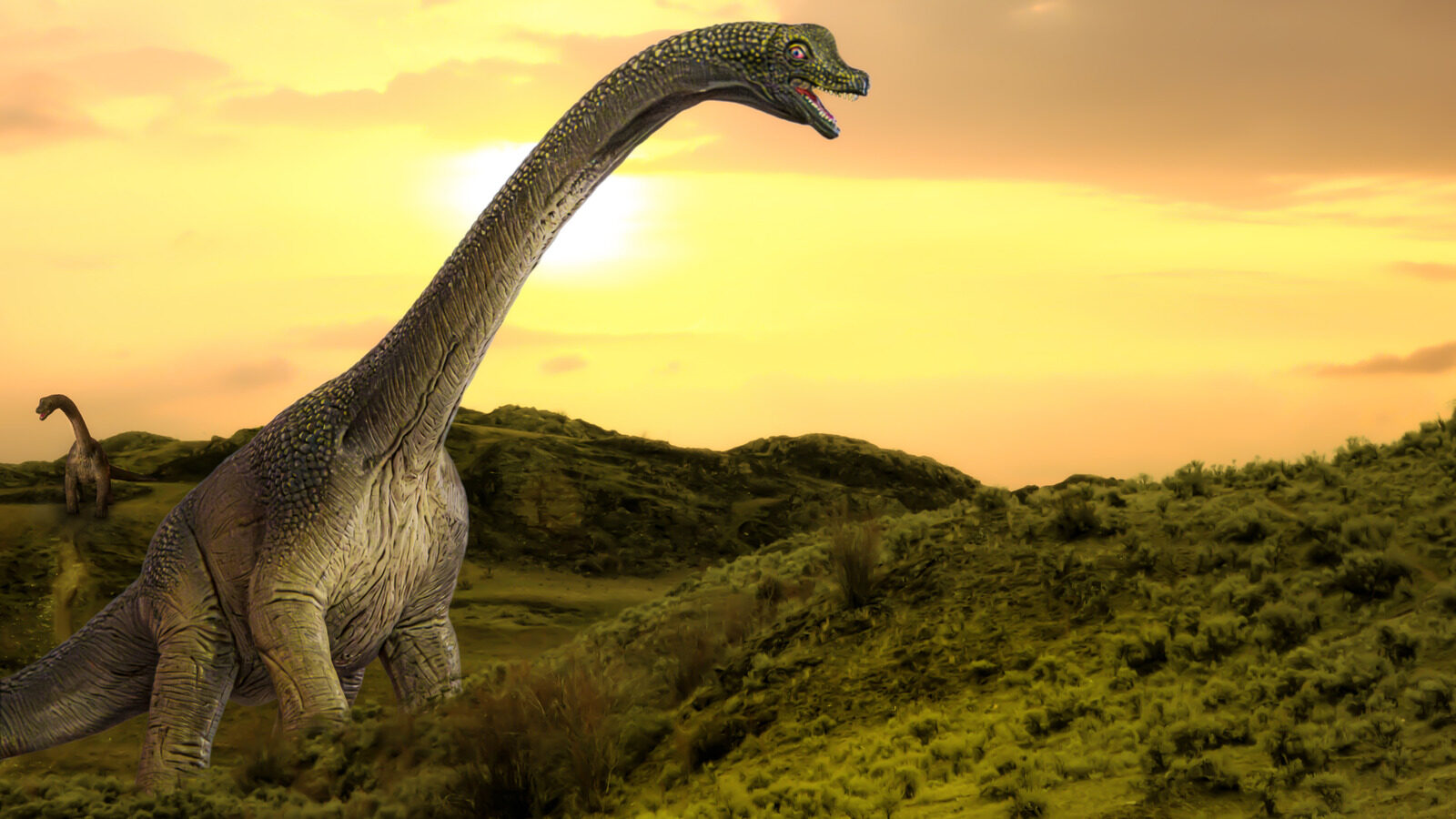
While large dinosaurs like sauropods still lived longer than smaller species, these lifespans were often much shorter than once thought. The oldest known sauropods reached approximately 60 years, a stark difference from estimates that suggested they could live for 300 years.
Variability in dinosaur lifespans across species
The diversity in dinosaur species resulted in a wide range of lifespans. Factors such as size, metabolism, and ecological niche played crucial roles in determining how long each species lived. Here are some examples:
- Sauropods: The long-necked giants, such as Brachiosaurus, lived longer than many smaller dinosaurs, but estimates suggest they seldom surpassed 60 years.
- Theropods: Smaller theropods like the Velociraptor likely had shorter lifespans, potentially living only a decade or two.
- Troodon formosus: This small dinosaur reached maturity in just 3 to 5 years, indicating a fast life cycle but a short lifespan.
- Ornithopods: Certain herbivorous dinosaurs may have had lifespans varying from 10 to 20 years, depending on environmental factors.
These variations highlight that not all dinosaurs shared the same biological traits, reinforcing the idea that each species adapted uniquely to its environment.
 Uninhabited Islands: Exploring Worlds Without People
Modern methods for estimating dinosaur ages
As mentioned earlier, the discovery of growth rings in dinosaur bones has transformed our understanding of their lifespans. This technique allows paleontologists to derive age estimates with far greater accuracy. However, there are some limitations to consider:
- Not all species exhibit growth rings: Some dinosaurs may not display clear growth patterns in their bones, making age estimation more challenging.
- Fossilization can alter growth rings: Fossilization processes can sometimes obscure or distort these rings, complicating age assessments.
- Environmental influences: Factors like climate and food availability could lead to variations in growth rates, resulting in inconsistent ring patterns across individuals.
Despite these challenges, the analysis of growth rings has provided valuable insight into dinosaur biology, revealing a more nuanced picture of their lifespans.
Comparison of dinosaur and modern animal lifespans
Understanding the lifespans of dinosaurs also benefits from comparing them with modern animals. Here are some notable comparisons:
| Animal Type | Average Lifespan | Notes |
|---|---|---|
| Tyrannosaurus rex | 27-33 years | Fast metabolism led to shorter lifespan. |
| Brachiosaurus | Up to 60 years | Larger size correlated with longer lifespan. |
| Crocodile | 70-100 years | Long lifespan; slower metabolism. |
| Elephant | 60-70 years | Similar to large dinosaurs, but with different growth patterns. |
This table highlights the differences in lifespan among various species, emphasizing how metabolic rates and ecological factors can influence longevity.
The implications of dinosaur lifespans for paleontology
Understanding the lifespans of dinosaurs has broader implications for paleontological research. It affects how scientists reconstruct ancient ecosystems, as varying lifespans influence population dynamics and species interactions.
Additionally, insights into dinosaur growth and reproduction can inform theories about their behavior and social structures. For example, faster-growing species with shorter lifespans may have had different reproductive strategies compared to longer-lived dinosaurs.
As researchers continue to refine their methods and gather more data, our understanding of dinosaurs will only deepen, revealing even more about these incredible animals that once roamed our planet.