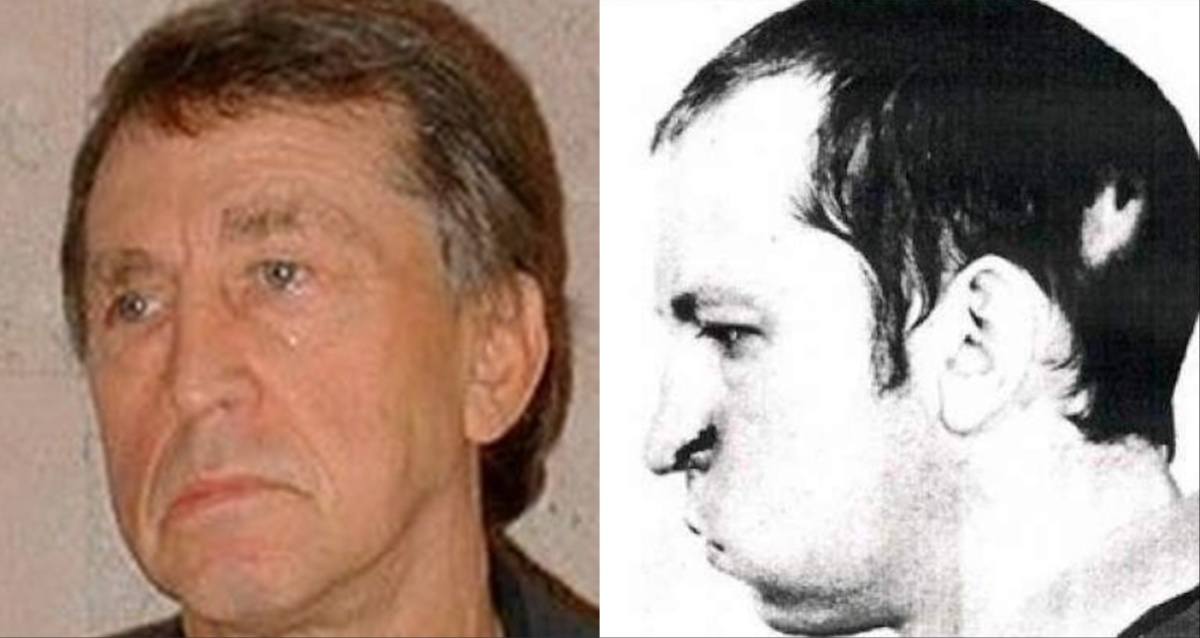
Imagine a world where science pushed the boundaries of human understanding, venturing into realms previously untouched. This was the reality for anatoli petrovich bugorski, a Russian physicist whose life took an extraordinary turn in 1978. While working at the U-70 synchrotron in Protvino, Russia, he became the only known person to survive direct exposure to a particle accelerator beam – a testament to both the power of science and the resilience of the human spirit.
Bugorski’s accident wasn’t a result of recklessness or negligence; it was a tragic error that highlighted the inherent risks associated with this cutting-edge technology. He accidentally positioned his head in the path of the proton beam, receiving an estimated 3,000 Gys of radiation – 600 times the fatal dose. Most people wouldn’t even survive a fraction of this exposure. Yet, against all odds, Bugorski lived to tell his tale.
The exact reason for the man who survived particle accelerator‘s survival remains a mystery, with theories ranging from the narrow concentration of energy to unique individual factors playing a role. This extraordinary event not only captured global attention but also sparked intense debate within the scientific community about the limits of human endurance and the ethical implications of pushing scientific boundaries further.
The U-70 Synchrotron Accident
The U-70 synchrotron in Protvino, Russia, was a marvel of scientific engineering – a powerful machine capable of accelerating particles to incredible speeds. It was designed for fundamental research, probing the very building blocks of matter and unlocking secrets about the universe. However, this groundbreaking technology came with inherent risks, as anatoli petrovich bugorski, would tragically learn.
On July 1978, while working on an experiment, Bugorski’s attention was diverted by a phone call. This momentary lapse in focus had catastrophic consequences. He inadvertently moved his head into the path of the powerful proton beam, exposing himself to a lethal dose of radiation. The U-70 synchrotron wasn’t designed for human testing; it was a tool for exploring the cosmos, not for understanding human limits.
The accident sent shockwaves through the scientific community, highlighting the critical need for stringent safety protocols in high-risk research environments. It served as a stark reminder that even with the noblest of intentions, science could have unforeseen and devastating consequences. Bugorski’s story became a cautionary tale about the delicate balance between scientific progress and human safety.
Direct Exposure to a Proton Beam
A proton beam might sound like something out of a science fiction movie, but in reality, it’s a stream of positively charged particles accelerated to near the speed of light. These beams are incredibly powerful and can be used for a variety of scientific purposes, from studying the fundamental properties of matter to developing new medical treatments. However, direct exposure to such a beam can have devastating consequences for living organisms.
When anatoli petrovich bugorski accidentally placed his head in the path of the U-70 synchrotron’s proton beam, he experienced an instantaneous and intense dose of radiation. Imagine the feeling of being struck by lightning – but instead of electricity, it was a torrent of subatomic particles ripping through his tissue. The effects were immediate and brutal: severe burns on the left side of his face, temporary paralysis, and excruciating pain.
The human body is remarkably resilient, but even this remarkable resilience has its limits. Bugorski’s exposure exceeded the lethal dose by a staggering factor – an unimaginable amount of energy unleashed upon him in a split second. It’s a stark reminder of the incredible power hidden within these scientific tools and the need for utmost caution when working with them.
 Down Syndrome Lion: Debunking Myths About Animals & Human Conditions
Symptoms and Recovery
Bugorski’s recovery was a long and arduous journey, marked by both physical and mental challenges. The radiation exposure left him with several lasting consequences. He experienced occasional seizures, debilitating headaches, and persistent hearing loss in his left ear. The once vibrant color of his face faded, leaving behind a stark contrast that would forever serve as a reminder of the accident.
Despite these setbacks, Bugorski’s determination to live a full life was unwavering. He underwent intensive treatment and physical therapy, gradually regaining strength and mobility. Doctors were baffled by his resilience – he seemed to defy all odds. Perhaps it was the narrow concentration of energy from the proton beam that spared him full-blown radiation sickness, or maybe there was something unique about his individual physiology that allowed him to withstand such an incredible assault on his body.
He returned to his research, albeit with a renewed appreciation for the fragility of life and the importance of safety protocols. His story became a source of inspiration, demonstrating the indomitable human spirit and the ability to overcome even the most unimaginable adversity. Few could have predicted that anatoli bugorski face now, would bear the scars of such an extraordinary event while still harboring a remarkable strength of will.
Life After the Accelerator
Life after the accelerator wasn’t a simple return to normalcy for Bugorski. The accident cast a long shadow over his existence, shaping his perspective and influencing his choices. He completed his Ph.D., proving that even in the face of such adversity, intellectual pursuits could flourish. However, he chose to shy away from public attention, rarely speaking about his ordeal due to Cold War secrecy surrounding the incident and logistical limitations.
Bugorski channeled his experience into a quiet life dedicated to his research and family. He continued working in physics, albeit with a newfound caution and awareness of the risks involved. Perhaps he found solace in the precision and predictability of scientific equations, a stark contrast to the randomness and unpredictable nature of his accident.
Though anatoli petrovich bugorski’s story is one of survival against all odds, it also serves as a poignant reminder that even those who overcome immense challenges carry invisible scars. His quiet life after the accelerator speaks volumes about the human need for privacy, healing, and finding peace amidst the echoes of trauma. It reminds us that sometimes, the most profound stories are whispered rather than shouted, leaving a lasting impact on those who hear them.
A Mysterious Survival
Bugorski’s survival against such overwhelming odds remains a scientific enigma. While the immediate aftermath of his exposure was clear – severe burns and paralysis – his long-term recovery defied explanation. Doctors could offer no definitive answer as to why he didn’t succumb to radiation sickness. Theories abound, ranging from the unique concentration of energy delivered by the proton beam sparing vital organs to the possibility that some individuals possess an innate resistance to radiation damage.
Perhaps it was a combination of factors – chance, resilience, and a fortunate alignment of circumstances – that allowed the man who survived particle accelerator to live on. Regardless of the reason, Bugorski’s case has become a cornerstone in medical research, prompting further exploration into the complex interplay between radiation exposure and human biology. It serves as a constant reminder that there are still many mysteries hidden within the intricate workings of our bodies.
His story fuels ongoing debates about the limits of human tolerance to extreme conditions and the potential for unforeseen biological responses. Every detail, from the precise type of radiation he received to his age and overall health at the time of the accident, is scrutinized in an effort to unlock the secrets behind this extraordinary instance of survival against all odds.