In the quest for better health, we often overlook simple solutions that could have a significant impact. Surprisingly, one of those solutions might be as close as your home. Recent research suggests that an air filter can contribute to lowering blood pressure, an important factor in heart health. This article delves into the connection between air quality and blood pressure, highlighting the role of air filters in promoting cardiovascular well-being.
Understanding how air filters can influence blood pressure is crucial, especially for those living in urban areas where air pollution is prevalent. In this exploration, we’ll examine the scientific findings that support this relationship and provide insights on how to choose the right air filter for your home.
Understanding blood pressure and its importance
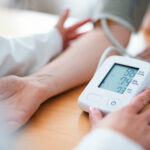
Blood pressure is a critical vital sign that measures the force of blood against the walls of your arteries. High blood pressure, or hypertension, can lead to serious health issues, including heart disease, stroke, and kidney problems. According to the American Heart Association, nearly half of adults in the United States have hypertension, making it a major public health concern.
- Systolic pressure: This is the upper number in a blood pressure reading, indicating the pressure in your arteries when your heart beats.
- Diastolic pressure: This is the lower number, showing the pressure in your arteries when your heart rests between beats.
- Normal blood pressure: A reading below 120/80 mmHg is considered normal.
Since elevated blood pressure can significantly increase the risk of heart-related conditions, understanding and managing it is vital for long-term health.
How do air filters lower blood pressure?
The recent study published in the Journal of the American College of Cardiology shed light on this intriguing relationship. Participants living near busy highways, where air pollution levels are typically higher, showed a notable decrease in blood pressure after using HEPA air filters in their homes.
These air filters function by removing fine particulate matter from the air, which is often laden with pollutants from traffic, industrial emissions, and other sources. This fine particulate matter can trigger inflammatory responses in the body, leading to increased blood pressure.
What are HEPA filters?
HEPA stands for High-Efficiency Particulate Air. These filters are designed to capture at least 99.97% of particles that are 0.3 microns or larger. They are particularly effective at trapping:
- Dust mites
- Pollen
- Mold spores
- Petc dander
- Smoke particles
Using a HEPA filter can significantly improve indoor air quality, which in turn may help in reducing blood pressure for those exposed to high levels of outdoor air pollution.
The impact of air pollution on health
Air pollution is a well-documented health risk. Numerous studies have linked exposure to fine particulate matter (PM2.5) with an array of health issues, including cardiovascular diseases. According to research published in Hypertension, even short-term exposure to traffic-related air pollution has been shown to adversely affect blood pressure levels.
 Uninhabited Islands: Exploring Worlds Without People
Key findings from various studies include:
- Short-term exposure to elevated levels of PM2.5 can lead to immediate increases in systolic blood pressure.
- Long-term exposure is linked to chronic hypertension and other cardiovascular issues.
- Mitigating exposure through air filtration can reverse some of these adverse effects quickly.
Individuals living near highways or industrial areas are particularly vulnerable and may benefit significantly from using air filters.
Choosing the right air filter for your home
If you’re considering investing in an air filter to help manage your blood pressure, it’s crucial to choose the right one. Here are some tips to guide your selection:
- Look for HEPA filters: Ensure the air purifier you choose is equipped with a true HEPA filter.
- Check the Clean Air Delivery Rate (CADR): This rating indicates the effectiveness of the air purifier; higher numbers mean better performance.
- Consider the size of the unit: Choose a model that can effectively cover the square footage of the room where it will be used.
- Maintenance requirements: Look into filter replacement costs and frequency for ongoing maintenance.
Investing in a quality air filter can not only improve your indoor air quality but may also contribute to lowering your blood pressure over time.
The broader implications for cardiovascular health
The findings surrounding air filters and blood pressure are part of a larger conversation about how environmental factors affect cardiovascular health. Addressing air pollution is critical, especially in densely populated urban areas where exposure levels are high.
Some broader implications include:
- Policy changes: Greater awareness may lead to stricter regulations on air quality and emissions.
- Community programs: Initiatives to plant trees and promote green spaces can help reduce urban air pollution.
- Public health campaigns: Educating the public on the benefits of clean air and the use of air purifiers could enhance community health.
By taking these steps, we can work toward a healthier future, where both the air we breathe and our cardiovascular systems thrive.