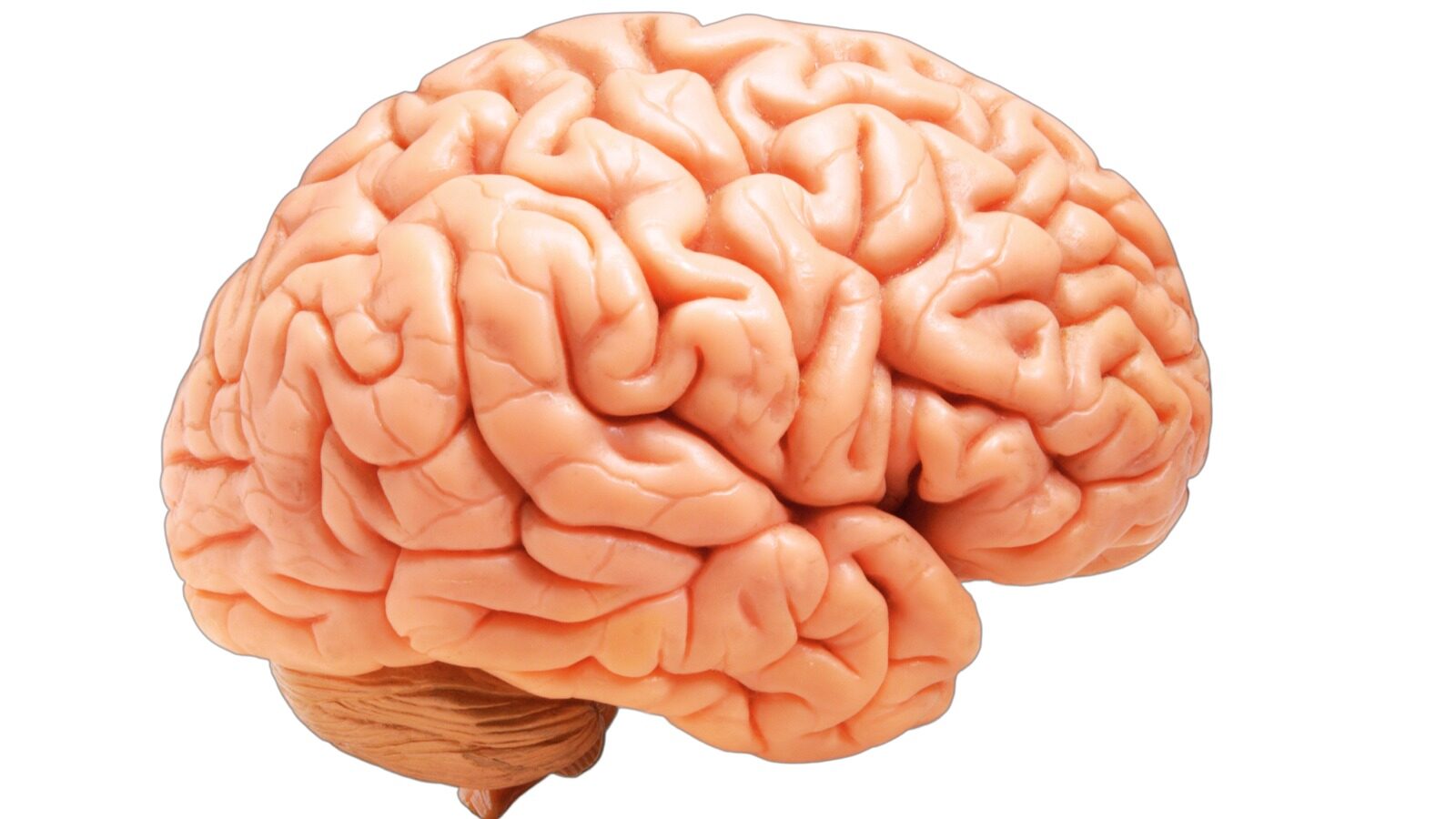
The human brain is a marvel of biological engineering, far beyond our simple understanding. While it governs our thoughts, enables complex decision-making, and facilitates our interactions with the world, it is also shrouded in mysteries that continue to perplex scientists. Let’s delve into some fascinating aspects of brain anatomy that may surprise you and expand your understanding of this remarkable organ.
Brain Composition: More Than Just Water
Water constitutes a significant portion of the brain, accounting for over 80% of its composition. This hydration is essential for maintaining optimal cognitive function. However, what might surprise you is that the remaining content is predominantly fat, with approximately 60% of brain matter being lipid-based. This fat plays a crucial role in the brain’s overall functionality.
Among the various types of fat, myelin is particularly noteworthy. It coats the nerve fibers, providing insulation and facilitating the rapid transmission of signals between neurons, much like electrical insulation around wires. This protective layer is vital for efficient communication within the brain. Interestingly, the misconception surrounding dietary fats often overlooks the importance of healthy fats, such as those found in avocados and nuts, which are essential for cognitive health.
- Myelin sheaths insulate nerve cells.
- Cholesterol is a key component of myelin.
- Healthy fats promote optimal brain function.
Diseases like multiple sclerosis exemplify the consequences of myelin deterioration, highlighting the importance of maintaining a diet rich in healthy fats.
The Brain’s Insensitivity to Pain
It may be surprising to learn that despite being the command center for processing pain signals, the brain itself does not possess pain receptors. This absence of nociceptors allows it to function without experiencing pain directly. Instead, pain sensations are relayed through other parts of the head and body, allowing for a unique surgical approach where patients can remain awake during operations.
This phenomenon is beneficial for doctors, as they can monitor brain activity in real-time, enhancing surgical precision and minimizing risks associated with brain surgery.
- The brain lacks nociceptors, making it impervious to pain.
- Surgeons can perform procedures while patients are awake.
- Other tissues in the head are responsible for pain perception.
The Role of the Cerebellum in Memory
Commonly associated with motor control, the cerebellum, or “little brain,” also plays a significant role in memory retention, particularly regarding learned motor skills. Recent studies indicate that this area helps convert short-term learning into long-lasting memories. This is critical for tasks such as riding a bike or playing a musical instrument, where practice leads to mastery.
Research has shown that the cerebellum’s function in memory is time-sensitive; the shorter the interval between practice sessions, the more effectively skills are retained. This suggests that the cerebellum is integral to our ability to learn and retain complex motor functions.
Enhanced Brain Connectivity in Humans
When comparing human brains to those of other primates, the differences are not solely in size but also in connectivity. Recent studies have revealed that the human brain exhibits a more intricate network of neural connections, particularly in areas critical for language and social interaction. This enhanced connectivity may explain our superior cognitive abilities.
 8 Unusual Effects of the Color Red on Your Brain
Key areas of interest include:
- The arcuate fasciculus, connecting the temporal and frontal lobes, is more developed in humans.
- The temporoparietal junction has increased connections, aiding social cognition.
- Overall, humans demonstrate a higher degree of interconnectivity across brain regions.
This sophisticated wiring potentially underpins our ability to communicate and navigate complex social landscapes more effectively than other primates.
The Myth of Multitasking
In a world that often glorifies multitasking, it may come as a shock that research indicates our brains are not equipped for this mode of operation. The prefrontal cortex, responsible for managing tasks, can only focus on one thing at a time. When we attempt to juggle multiple activities, what we are actually doing is rapidly switching our focus, which can be detrimental to efficiency and concentration.
Studies reveal that only a tiny fraction of individuals can multitask effectively. Instead of trying to do everything at once, focusing on one task at a time is a more efficient strategy. This method allows our brains to engage fully and perform optimally.
- True multitasking is a myth; the brain focuses on one task at a time.
- Task-switching can lead to decreased productivity.
- Research shows that only 2.5% of people can multitask efficiently.
Neurogenesis: Creating New Brain Cells
For many years, it was widely accepted that neurogenesis—the formation of new neurons—stopped after childhood. However, recent studies have overturned this belief, demonstrating that the brain continues to produce new cells throughout life, even in older age. This process is vital for cognitive health and resilience against neurodegenerative conditions.
Exercise has been identified as a crucial factor in promoting neurogenesis. Engaging in regular physical activity not only enhances physical health but also boosts brain function, potentially improving cognitive capacity as we age.
Key points about neurogenesis include:
- New neurons continue to form into adulthood and old age.
- Physical activity is linked to enhanced neurogenesis.
- Neurogenesis persists even in conditions like Alzheimer’s, albeit at a slower pace.
The Brain’s Trillion Connections
The human brain is a complex network, containing approximately 86 billion neurons. Each neuron can form thousands of connections, leading to over 100 trillion synapses. This intricate web of connections is crucial for facilitating communication among neurons and supports our cognitive capabilities.
The emerging field of connectomics aims to map these connections, providing insights into how neural networks function. Advances in imaging technology are paving the way for a deeper understanding of brain connectivity and its implications for behavior and cognition.
Longevity of Neurons
Unlike many cells in the body, which are regularly replaced, neurons can last a lifetime. Most neurons are established before birth, and while some new neurons are generated in early childhood, the majority remain intact throughout life. Research has shown that neurons can survive long past the lifespan of the organism; in fact, their longevity is only limited by the lifespan of the individual.
This discovery has profound implications for understanding cognitive decline and potential treatments for neurodegenerative diseases. Neuroplasticity—the brain’s ability to reorganize itself—also suggests that even older neurons can adapt and form new connections throughout life.
Utilization of the Entire Brain
Another common misconception is that humans only use a small fraction of their brains. In reality, brain imaging studies show that we engage multiple areas of our brain for different functions, even while at rest. Every part of the brain has a role, from regulating basic survival functions to complex reasoning.
Understanding how various regions contribute to our overall cognitive capabilities can demystify the myth of underutilization. Different areas of the brain are dedicated to:
- Movement and coordination (cerebellum)
- Speech and language (Broca’s area)
- Emotion and decision-making (prefrontal cortex)
This holistic engagement is vital for effective functioning and highlights the brain’s remarkable ability to integrate diverse tasks seamlessly.