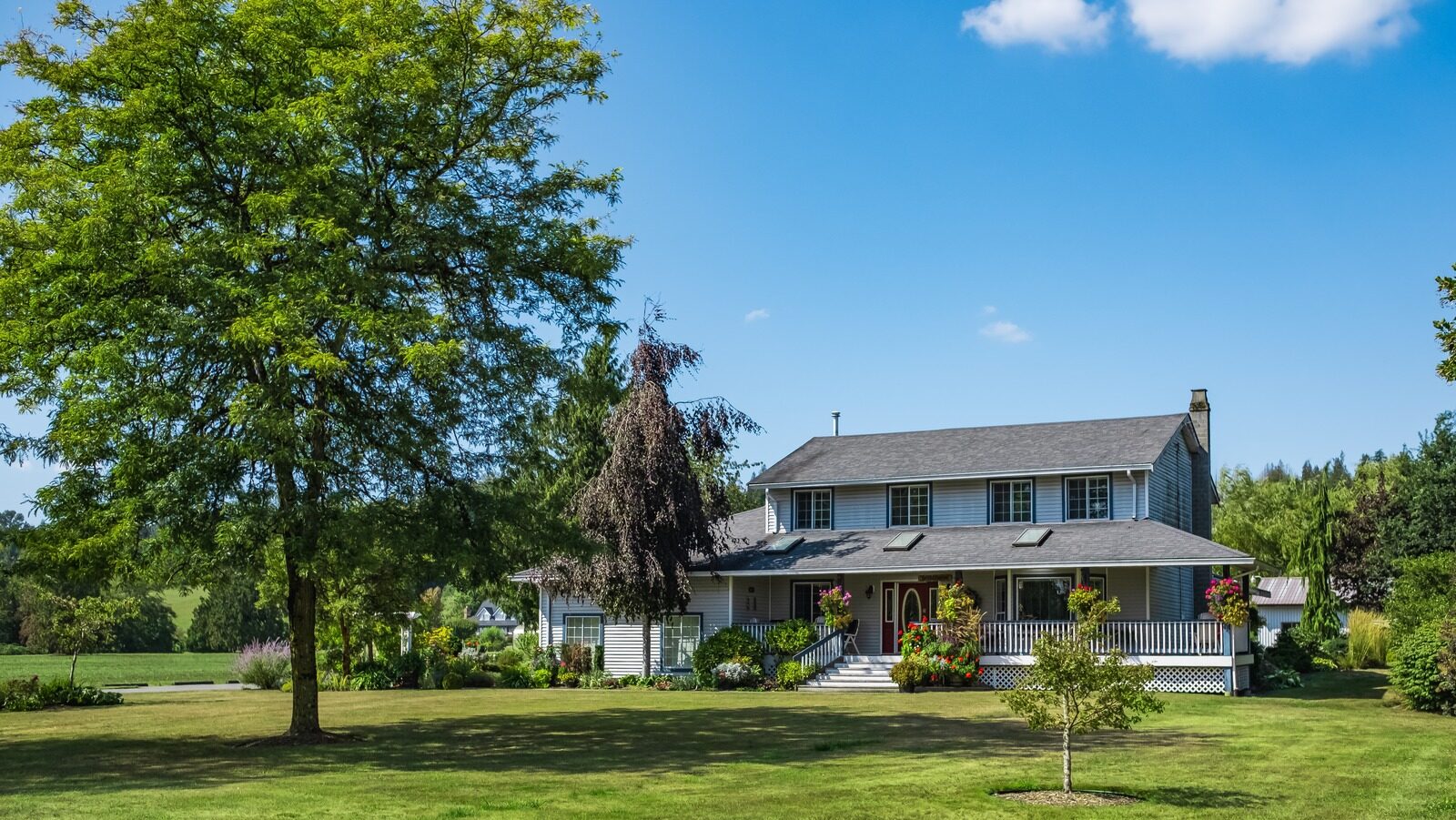
Planting a tree in your garden can be a delightful endeavor, promising shade, beauty, and a refreshing environment. However, it’s crucial to consider the long-term implications of your choice. Some trees, while visually appealing, can pose significant challenges once established. Before making a selection, it’s essential to be informed about the potential risks associated with certain species.
From invasive roots to susceptibility to pests, not all trees are created equal. Here, we delve into the reasons why you should think twice before planting six specific types of trees in your yard.
Weeping willow: elegance with hidden dangers
The weeping willow, scientifically known as Salix babylonica, is often admired for its graceful, drooping branches and lush foliage. However, this stunning tree is anything but low-maintenance.
One of the significant issues with weeping willows is their insatiable thirst for water. This leads to an extensive root system that aggressively seeks moisture, often causing damage to nearby structures such as:
- Patios
- Water pipes
- Driveways
As a result, you may find yourself facing costly repairs due to cracking and structural damage over time. Additionally, these trees can grow up to 40 feet tall, making them challenging to manage in smaller yards.
Moreover, weeping willows have a relatively short lifespan and are prone to various fungal diseases like black canker and willow scab. These factors combined mean that the investment of time and money in maintaining a weeping willow might not yield the desired long-term beauty.
Oak: grandeur with a price
The oak tree, or Quercus, is often seen as a symbol of strength, providing ample shade and a picturesque setting. However, before you consider planting one, it’s essential to understand the implications of its size.
Oak trees can exceed 100 feet in height, with trunk diameters reaching up to 6 feet. Their vast root systems can extend far and wide, potentially leading to significant issues such as:
- Damage to driveways and foundations
- Subsidence issues
- Water absorption that can lead to soil shrinkage
This colossal size also poses risks during severe weather, where falling branches can cause damage or injuries. If you desire the majesty of an oak, consider enjoying them in parks rather than planting them in your backyard.
 Uninhabited Islands: Exploring Worlds Without People
Silver maple: fast growth, fragile wood
The silver maple, or Acer saccharinum, is known for its rapid growth, often reaching heights of 40 feet or more within 10 to 20 years. While it provides quick shade, this fast growth comes with its own set of problems.
One of the main concerns with silver maples is the brittleness of their wood. As the tree matures, the likelihood of branch breakage increases, especially during storms. This can lead to potential damage to property and poses safety risks to anyone nearby.
Additionally, their shallow root systems can lead to unsightly and problematic issues in your lawn, such as:
- Roots poking through the soil
- Difficulty when mowing
- Interference with other plants
While the silver maple may seem like a practical choice for quick shade, the risks associated with its structural integrity and root behavior can outweigh its benefits.
Ash: a tree at risk
Ash trees, while visually attractive, face a significant threat from the emerald ash borer, an invasive pest decimating ash populations across North America. This pest has led to the decline of billions of ash trees, making them a risky choice for future planting.
Infestations require constant treatment and monitoring to preserve the tree’s health, which can become a costly and labor-intensive endeavor. The emerald ash borer feeds on the tree’s wood, disrupting water and nutrient flow, ultimately leading to death.
The spread of these pests has raised concerns, prompting quarantines in certain areas to prevent further infestation. Given these risks, planting an ash tree near your home could result in a short-lived investment that requires endless attention.
Mulberry: beauty with a messy reputation
Mulberry trees produce delightful fruits, but their beauty comes with significant drawbacks. While the berries are appealing, they can create numerous issues:
- Staining of patios and driveways
- Dropping fruits that create a slippery mess
- Invasive tendencies that lead to uncontrollable growth
The deep colors of mulberry fruits can result in stubborn stains, making cleanup a challenge. Moreover, the white mulberry tree (Morus alba) is recognized as an invasive species in certain regions, presenting potential legal issues for homeowners.
These trees can also disrupt local ecosystems, as birds consume the berries and disperse the seeds, leading to further spread. With their expansive roots capable of damaging concrete, mulberry trees require careful consideration before planting.
Mimosa: ephemeral beauty hides persistent problems
The mimosa tree, known scientifically as Albizia julibrissin, is celebrated for its stunning pink flowers and pleasant fragrance during the summer months. However, its allure is fleeting, and the tree brings various challenges once the flowers disappear.
One of the most significant issues is the mess created by falling flowers and seed pods. These can germinate easily, leading to unwanted seedlings sprouting throughout your garden, necessitating regular weeding. Additionally, the wood of the mimosa is brittle, making it susceptible to breakage during storms, leading to potential hazards for nearby structures.
Given its rapid growth, a mimosa can reach heights of up to 25 feet quickly, creating concerns about stability and maintenance. The charms of the mimosa tree may not outweigh the persistent issues it presents.
In summary, while the prospect of planting trees in your yard can be enticing, it is vital to approach your choices with caution. Understanding the potential drawbacks of specific species can save you time, money, and frustration in the long run. Always consider consulting with local horticultural experts or landscape professionals to make informed decisions that align with your garden’s needs and your personal preferences.