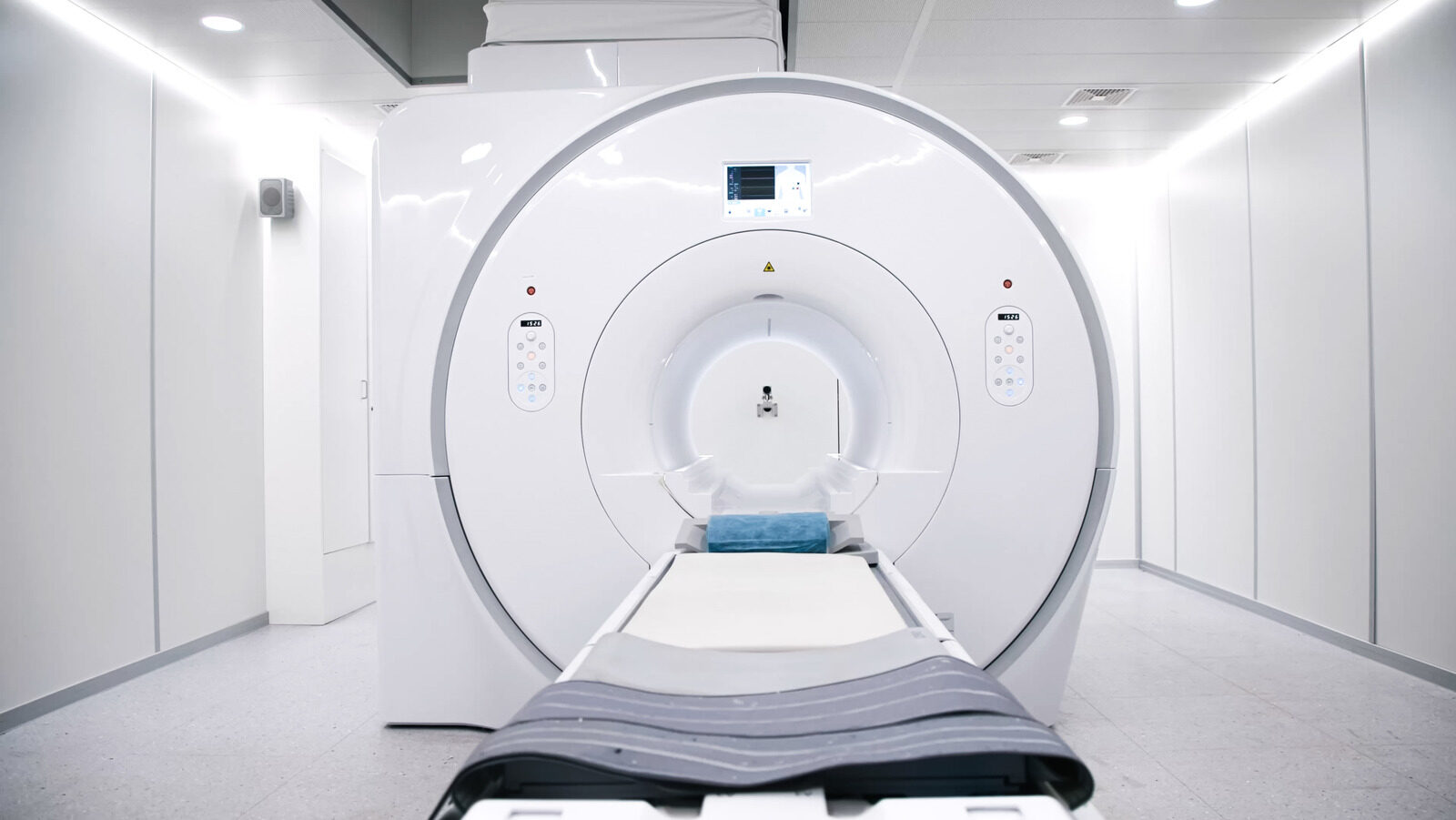
Magnetic Resonance Imaging (MRI) stands as a remarkable testament to human ingenuity in the field of medicine. This non-invasive imaging technology has revolutionized diagnostics, enabling healthcare providers to visualize the intricate structures of the body in unprecedented detail. As we delve into the evolution and impact of MRI technology, we uncover its origins, the pioneers behind its development, and its current applications in modern medicine.
The genesis of MRI technology
The roots of MRI technology can be traced back to the early 20th century, but it wasn’t until the 1970s that it became a practical medical tool. The concept of nuclear magnetic resonance (NMR) was first introduced by physicists Felix Bloch and Edward Purcell in 1952, who were awarded the Nobel Prize in Physics for their groundbreaking work. They discovered that certain atomic nuclei emit electromagnetic radiation when placed in a magnetic field, a principle that would later be harnessed for imaging.
However, the application of NMR for medical imaging was not immediately apparent. It took the visionary efforts of Dr. Raymond Damadian, a physician and researcher, to recognize its potential. In 1971, Damadian published a pivotal paper in the journal Science, demonstrating that the NMR signals from healthy cells differed from those of cancerous cells. This marked a significant leap towards the development of MRI technology.
The key players in MRI development
While Damadian laid the foundational work, two other scientists contributed significantly to the practical implementation of MRI technology. Paul Lauterbur, an American chemist, was the first to produce two-dimensional images using NMR signals. By ingeniously developing an electromagnet capable of varying magnetic field strengths, Lauterbur created a new method to visualize internal structures.
Shortly after, British physicist Peter Mansfield refined Lauterbur’s technique by increasing the speed of imaging, allowing MRI scans to be performed more rapidly. In 1977, Damadian achieved another milestone by producing the first full-body MRI image, further solidifying the technology’s place in medical diagnostics. Despite the controversies surrounding the Nobel Prize awarded to Lauterbur and Mansfield in 2004 for their contributions, Damadian’s role as a pioneer remains undeniable.
The impact of MRI technology on diagnostics
Today, MRI technology is an essential component of modern medicine, with over 100 million scans conducted annually worldwide. Its ability to provide detailed images of soft tissues, organs, and structures makes it invaluable for diagnosing a vast array of conditions, including:
- Cancers
- Brain injuries
- Musculoskeletal disorders
- Cardiovascular diseases
- Spinal cord abnormalities
Unlike traditional imaging methods such as X-rays or computed tomography (CT) scans, MRI does not involve ionizing radiation, making it a safer option for patients requiring frequent imaging. This is particularly important for those managing chronic conditions, as repeated exposure to radiation can pose significant health risks.
The evolution of MRI technology
Since its inception, MRI technology has undergone significant advancements. Modern MRI machines are equipped with powerful superconducting magnets and advanced imaging algorithms that enhance image quality and reduce scan times. These developments have led to the emergence of specialized MRI techniques, including:
- Functional MRI (fMRI): Measures brain activity by detecting changes in blood flow.
- Diffusion-weighted imaging (DWI): Assesses the movement of water molecules in tissues, useful in stroke diagnosis.
- Magnetic resonance spectroscopy (MRS): Analyzes metabolic changes in tissues, providing insights into conditions like tumors.
Furthermore, ongoing research aims to create even more advanced imaging techniques and improve patient comfort. Innovations such as open MRI machines, which allow for a less claustrophobic experience, are becoming more prevalent in clinical settings.
Challenges and future prospects of MRI technology
Despite its numerous advantages, MRI technology is not without challenges. The high cost of MRI machines and the need for specialized training to operate them can limit access in some regions. Additionally, patients with certain implants or metallic objects in their bodies may be at risk when undergoing an MRI scan due to the powerful magnetic fields.
Looking forward, the future of MRI technology appears promising. Researchers are actively exploring avenues to enhance image resolution and speed, as well as to reduce costs. The integration of artificial intelligence (AI) into MRI interpretation is also on the rise, potentially leading to faster and more accurate diagnoses.
The significance of MRI in modern healthcare
In conclusion, MRI technology represents one of the most significant breakthroughs in medical imaging, allowing for non-invasive visualization of the human body with remarkable precision. Its development, rooted in the pioneering work of visionaries like Damadian, Lauterbur, and Mansfield, has transformed diagnostics and continues to evolve, promising even greater capabilities in the future.
The impact of MRI on patient care cannot be overstated, as it enables healthcare providers to diagnose conditions accurately and tailor treatment plans effectively. As advancements in technology and research progress, MRI will undoubtedly remain a cornerstone of medical diagnostics for years to come.