Life on Earth is a remarkable tapestry of resilience and survival, with some organisms showcasing astonishing abilities to withstand extreme conditions. While many species are vulnerable to environmental changes and threats, a select few have evolved to thrive against all odds. These organisms not only survive but often flourish in conditions that would obliterate most life forms. Let’s explore some of the most indestructible organisms known to science, each demonstrating unique strategies for survival.
The immortal jellyfish: a true marvel of nature
Commonly referred to as Turritopsis dohrnii, the immortal jellyfish embodies an extraordinary capability that defies the natural order of life and death. Unlike typical jellyfish, which have a lifespan of about 18 months, this species has the remarkable ability to revert to its juvenile form after experiencing physical trauma or starvation. This process, known as transdifferentiation, allows the jellyfish to effectively reset its life cycle.
When faced with unfavorable conditions, the immortal jellyfish can transform from a mature medusa back into a polyp, starting its life anew. This ability has fascinated scientists, especially in the context of regenerative medicine, as it opens avenues for understanding aging and cellular regeneration in humans.
Tardigrades: the ultimate survivors of the animal kingdom
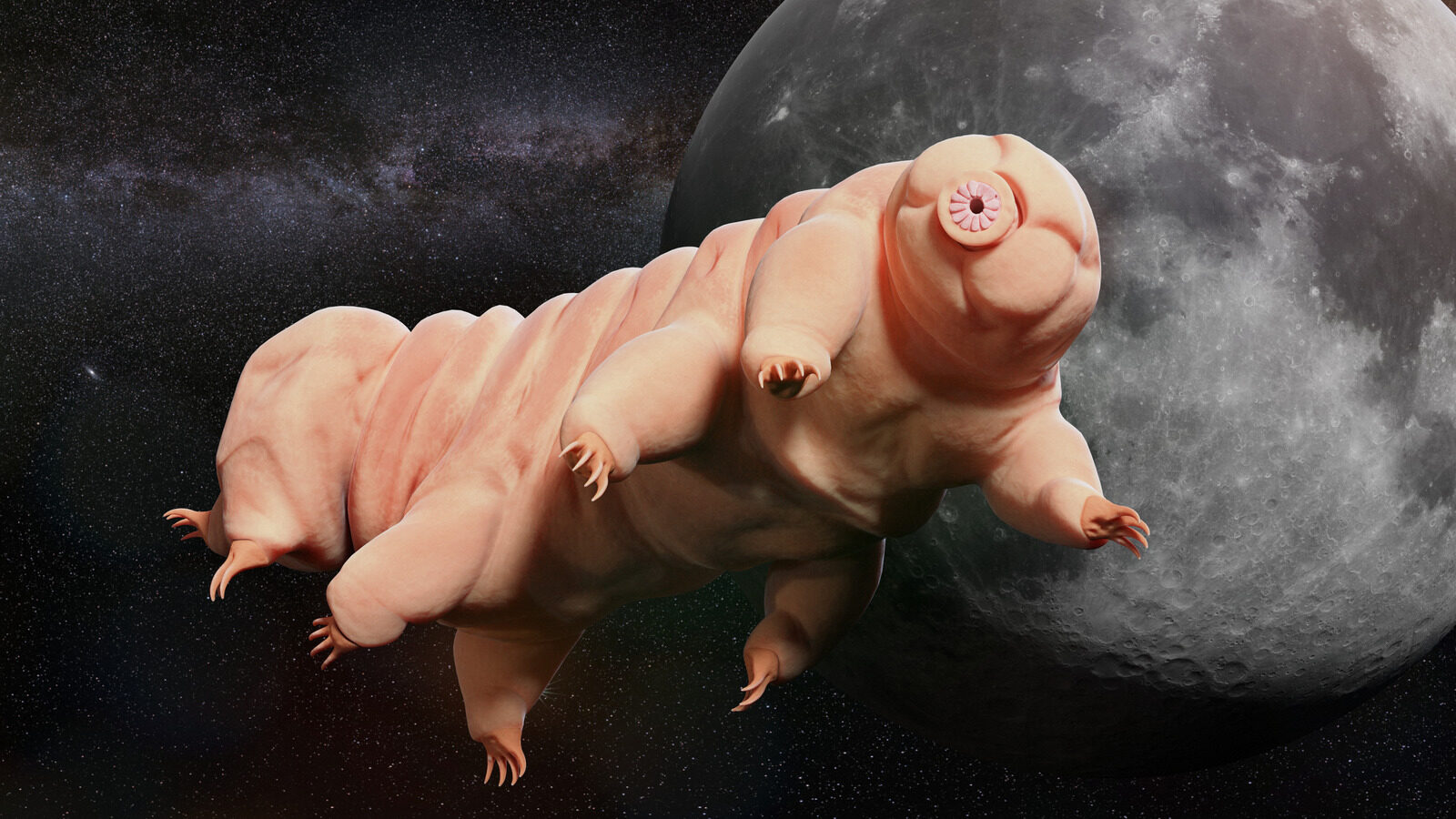
Perhaps the most famous survivors in the natural world, tardigrades, or water bears, are microscopic creatures known for their incredible resilience. Measuring just 0.04 inches in length, they can withstand extreme temperatures ranging from nearly absolute zero to over 300 degrees Fahrenheit. Furthermore, they can endure pressures exceeding those found in the deepest ocean trenches.
- Radiation: Tardigrades can survive radiation levels that would be lethal to humans.
- Desiccation: They can survive without water for decades.
- Space: Tardigrades have even survived exposure to the vacuum of space.
This hardiness is attributed to a unique protein that protects their DNA and allows them to enter a cryptobiotic state, essentially suspending their metabolism until conditions improve. Tardigrades continue to captivate scientific inquiry, with researchers exploring their potential applications in medicine, agriculture, and space exploration.
Habrobracon wasps: champions of radiation resistance
While cockroaches often get the credit for surviving nuclear fallout, a lesser-known contender is the Habrobracon hebetor, a parasitic wasp that can endure 180 times the lethal dose of radiation for humans. This small wasp injects its eggs into other insects, which are consumed alive by the growing larvae—a gruesome but effective reproductive strategy.
Habrobracon wasps play a beneficial role in agriculture by controlling pest populations, making them valuable allies for farmers. Their extraordinary resilience to radiation not only challenges the cockroach’s reputation as the ultimate survivor but also highlights the fascinating adaptations that insects can possess.
Glass sponges: ancient organisms with a timeless existence
Among the oldest living organisms on Earth, glass sponges are remarkable for their longevity, with some individuals estimated to be over 15,000 years old. These deep-sea creatures build intricate silica skeletons that provide them with structure and protection.
Glass sponges begin life as larvae, settling on ocean floors to grow into complex structures. Their longevity and ability to thrive in deep-sea environments contribute to their stability and resilience. Until a living colony was discovered in 1987, glass sponges were believed to be extinct for 40 million years, demonstrating the importance of understanding and protecting these ancient organisms.
 Uninhabited Islands: Exploring Worlds Without People
Arapaimas: the armored giants of the Amazon
The arapaima gigas, South America’s largest freshwater fish, is a true marvel of evolution. Reaching lengths of up to 10 feet, these fish are not only formidable predators but also possess a unique set of adaptations that enhance their survival. Their tough, armored scales protect them from predators such as caimans and piranhas, while their specialized swim bladders allow them to breathe air, enabling them to thrive in low-oxygen environments.
Arapaimas are vital to the ecosystems of the Amazon River, and their resilience is a testament to their adaptability in challenging freshwater habitats.
Armillaria ostoyae: the vast underground network
This remarkable fungus, known as Armillaria ostoyae, has gained notoriety as one of the largest living organisms on the planet. Commonly referred to as the “Humongous Fungus,” it resides primarily in Oregon’s Malheur National Forest, where it covers approximately 2,385 acres and is estimated to be around 8,650 years old.
Armillaria ostoyae spreads through underground mycelial networks that connect trees and plants, often causing root rot in its hosts. While it may not seem appealing at first glance, its resilience and ability to dominate vast areas make it a fascinating subject of study in the realm of fungal biology.
Echidnas: survivalists in the face of fire
The short-beaked echidna, a unique monotreme found in Australia, showcases remarkable adaptations that allow it to endure some of nature’s harshest conditions, including wildfires. When faced with flames, echidnas burrow underground, entering a state of torpor—a temporary hibernation that slows their metabolism and conserves energy.
This strategy allows them to survive extended periods of extreme heat. Once the fires have subsided, echidnas emerge to find a landscape rich in food, as many insects are exposed and vulnerable, effectively taking advantage of the aftermath.
Pando: a living forest with ancient roots
Pando, a vast grove of quaking aspen trees in Utah, is not merely a forest but a single organism. This extraordinary clone forest is estimated to be around 80,000 years old, making it one of the oldest living organisms on Earth. With an estimated weight of 13 million pounds, Pando consists of approximately 47,000 genetically identical trees connected by a complex root system.
This unique characteristic of clonal growth allows Pando to thrive despite individual tree mortality, as new shoots can sprout from the roots. As climate change and pests threaten its existence, conservation efforts are crucial to preserving this living testament to resilience.
Olms: masters of energy conservation
Olms, aquatic salamanders native to the caves of Europe, exhibit remarkable survival skills, particularly their ability to withstand prolonged periods without food. These blind creatures can survive for over a decade without eating by slowing down their metabolism and utilizing their own body tissues for sustenance.
Olms are well-adapted to their subterranean habitats, thriving in complete darkness and with minimal resources. Their unique adaptations make them subjects of interest for researchers studying evolution and survival strategies in extreme environments.
Deinococcus radiodurans: the resilient bacterium
Dubbed Conan the Bacterium, Deinococcus radiodurans is renowned for its extraordinary resistance to extreme conditions, including high levels of radiation, desiccation, and toxic chemicals. This bacterium can survive radiation exposure up to 1,000 times greater than what would be lethal for humans.
Research suggests that its resilience stems from unique DNA repair mechanisms and the presence of manganese, which helps protect its cells. D. radiodurans’ exceptional durability has garnered interest in various fields, including biotechnology and astrobiology, as scientists explore its potential applications in cleaning up radioactive waste and as a model organism for studying extremophiles.
Honey badgers: fearless creatures of the wild
When it comes to indomitable spirit, few animals rival the honey badger. Weighing around 30 pounds, these mammals are known for their fearlessness and tenacity. Their thick skin serves as natural armor against bites and attacks, while their intelligence and adaptability make them formidable opponents in the animal kingdom.
Honey badgers are not just resilient; they are also aggressive hunters. They can confront prey much larger than themselves, including snakes and even lions, demonstrating their remarkable confidence in the wild. Their reputation as fearless survivors has made them a symbol of tenacity and resilience.