

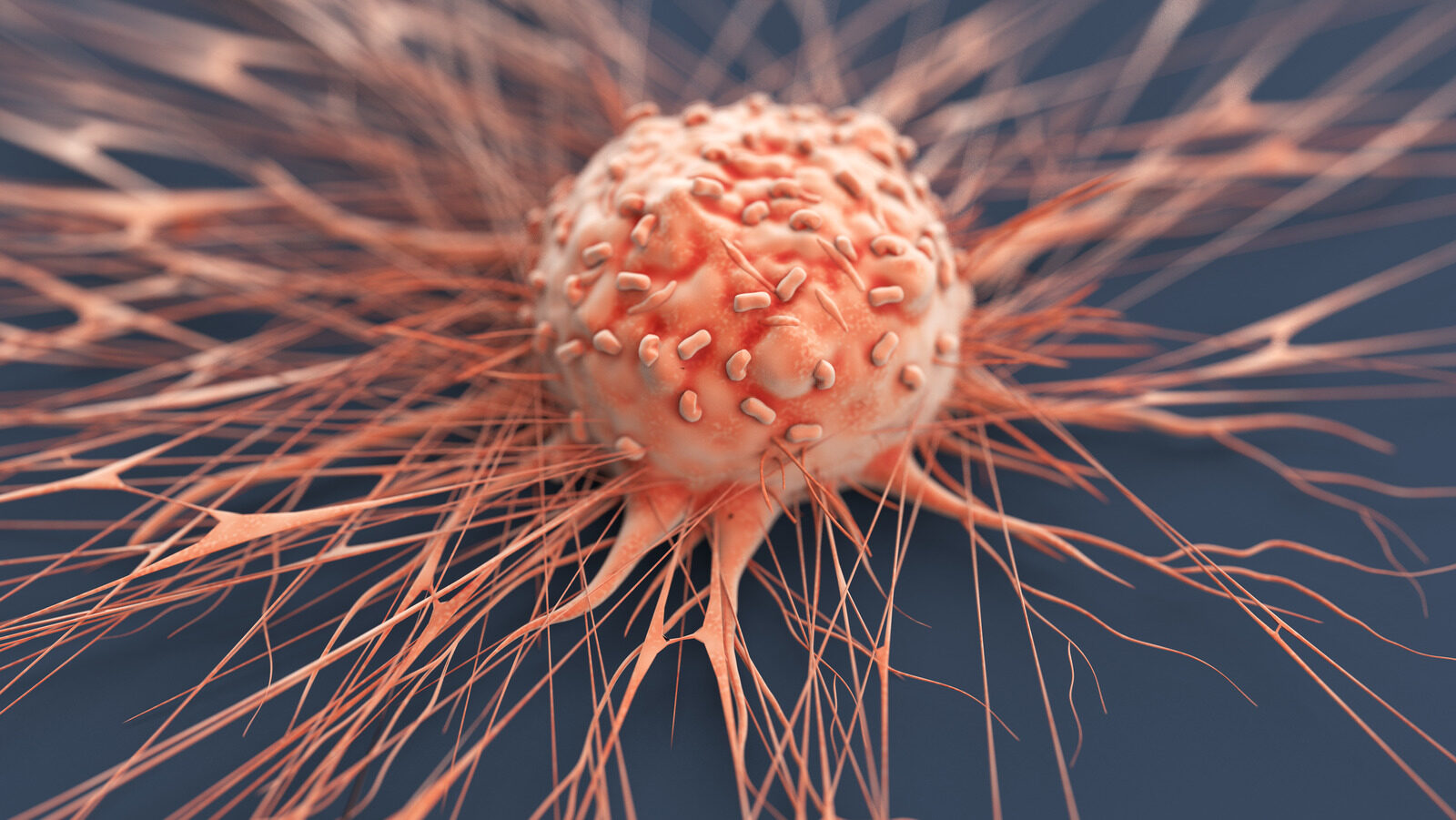
Cancer remains one of the most significant health challenges worldwide, affecting millions of people each year. Understanding the organs that are most susceptible to cancer can empower individuals to take proactive steps in monitoring their health. Here, we explore the various organs that are frequently affected by cancer, shedding light on their functions, the types of cancer they are prone to, and emerging trends in cancer diagnosis and treatment.
The skin: a common site for various cancers
The skin is the body’s largest organ, constituting about 15% of total body weight. It serves as a protective barrier against environmental hazards, pathogens, and harmful chemicals. However, due to its exposure to UV radiation from the sun, skin is particularly vulnerable to cancer.
Skin cancer is the most prevalent form of cancer in the United States, encompassing various types, including:
- Basal cell carcinoma: The most common and least dangerous form.
- Squamous cell carcinoma: More aggressive than basal cell but treatable.
- Melanoma: The deadliest type due to its tendency to spread rapidly.
According to data from the National Cancer Institute, melanoma has a five-year relative survival rate of approximately 94.7%. This statistic highlights the importance of early detection and effective treatment strategies.
Breast cancer: the leading malignancy among women
Breast cancer is a significant health concern, affecting 1 in 8 women in their lifetime. It is classified as an accessory organ and plays a crucial role in the female reproductive system. The American Cancer Society estimates that breast cancer accounts for about 30% of all cancers diagnosed in women each year.
Risk factors for breast cancer include:
- Genetic mutations (e.g., BRCA1 and BRCA2).
- Age and family history.
- Hormonal factors and lifestyle choices.
Thanks to advances in breast cancer screening and treatment, the five-year survival rates have improved significantly, reaching around 91% for newly diagnosed cases between 2014 and 2020.
Prostate cancer: a prevalent concern for men
Prostate cancer is the most common cancer among men, second only to skin cancer. The prostate is a small gland responsible for producing seminal fluid. As men age, the likelihood of developing prostate cancer increases significantly, particularly after the age of 65.
The American Cancer Society notes that 1 in 8 men will be diagnosed with prostate cancer at some point. Factors contributing to the risk include:
 Uninhabited Islands: Exploring Worlds Without People
- Age and family history.
- Ethnicity (higher rates in African American men).
- Genetic factors.
Fortunately, advancements in early detection and treatment options have led to a decline in mortality rates due to prostate cancer since the 1990s.
Lung cancer: not just a smoker’s disease
Lung cancer is a leading cause of cancer-related deaths in both men and women. While smoking remains the primary risk factor, it is essential to recognize that lung cancer can affect non-smokers as well. Risk factors include:
- Exposure to secondhand smoke.
- Air pollution and radon exposure.
- Family history of lung cancer.
In the U.S., lung cancer accounts for significant morbidity and mortality rates, highlighting the need for public health initiatives aimed at reducing risk factors and improving awareness.
Colon cancer: on the rise among young adults
Colon cancer, or colorectal cancer, is increasingly affecting younger populations, prompting health experts to recommend earlier screening. The colon plays a vital role in the digestive system, but it can develop various conditions, including:
- Polyps, which may turn cancerous.
- Ulcerative colitis and Crohn’s disease.
- Diverticulitis.
According to the American Cancer Society, there were at least 107,320 new colon cancer diagnoses in 2025. Changes in diet and lifestyle, alongside genetic predisposition, contribute to this alarming trend.
Bladder cancer: often overlooked but significant
The bladder is a hollow organ that stores urine. Cancer of the bladder is often missed in discussions about cancer prevalence, yet it ranks as the fifth most common cancer in the U.S. The primary type of bladder cancer is urothelial carcinoma, affecting the urothelial cells lining the bladder.
Risk factors for bladder cancer include:
- Smoking and exposure to certain chemicals.
- Chronic bladder infections.
- Age and male gender.
Awareness of bladder cancer symptoms, such as blood in urine or painful urination, is essential for early diagnosis and treatment.
Kidney cancers: an increasing threat
Kidney cancer, particularly renal cell carcinoma, is on the rise. The kidneys are essential for filtering waste from the blood and regulating fluid balance. The American Cancer Society identifies kidney cancer as one of the top ten cancers affecting adults, with a notable increase in diagnoses due to improved imaging techniques.
Risk factors include:
- Smoking and obesity.
- High blood pressure and certain genetic syndromes.
- Age, with the majority of cases occurring in individuals aged 55-74.
Despite the rise in diagnoses, kidney cancer has a five-year survival rate of over 78%, thanks to advancements in treatment.
Liver cancer: a growing concern
The liver is crucial for detoxifying substances, producing bile, and storing nutrients. Liver cancer, particularly hepatocellular carcinoma, is becoming more common, often linked to chronic liver diseases such as cirrhosis and fatty liver disease.
In the U.S., liver cancer accounted for over 42,000 new cases and more than 30,000 deaths in 2025, according to the American Cancer Society. Risk factors include:
- Chronic viral hepatitis infections.
- Alcohol abuse and obesity.
- Certain inherited liver diseases.
Awareness and early intervention are key in managing liver health and reducing cancer risk.
Pancreatic cancer: the silent killer
The pancreas plays a critical role in digestion and blood sugar regulation but is often diagnosed at advanced stages due to its location and vague symptoms. This makes pancreatic cancer particularly challenging to detect early.
According to the National Cancer Institute, there were an estimated 67,440 new cases of pancreatic cancer in 2025, with a dismal five-year survival rate of just 13.3%. Risk factors include:
- Smoking and obesity.
- Family history of pancreatic cancer.
- Certain genetic syndromes.
Ongoing research is focused on improving diagnostic methods and treatment options to combat this aggressive cancer.
Thyroid cancer: a small gland with big implications
The thyroid gland, despite its small size, plays a vital role in regulating metabolism and energy levels. Thyroid cancer, while not as common, is still significant, with approximately 44,020 new cases expected in the U.S. in 2025.
Females are three times more likely to develop thyroid cancer than males. Risk factors include:
- Family history of thyroid disease.
- Radiation exposure.
- Certain genetic conditions.
Fortunately, thyroid cancer is often highly treatable, particularly when diagnosed early, emphasizing the importance of regular check-ups and awareness of symptoms.