
Let’s take a trip back in time to the vibrant 1960s, a decade that saw massive cultural shifts and the rise of iconic toys. Among them was Play-doh, which transitioned from its humble beginnings as a wallpaper cleaner to the beloved sculpting material we know today. While it might seem surprising now, Play-Doh actually started out with a completely different purpose! In the world before instant fixes, folks used this unique compound to clean their wallpaper and remove stubborn stains.
But then came Joe Mcvicker, who had a brilliant idea: what if this pliable material could be used for creative play? And so, in 1955, Play-doh was reborn as a sculpting toy, offering children endless possibilities for imagination and fun. Initially sold in four classic colors – red, blue, yellow, and white – it quickly captured the hearts of Kids Everywhere.
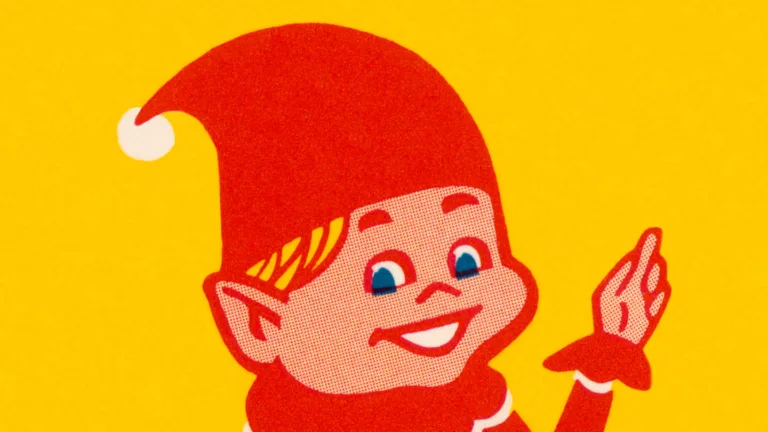
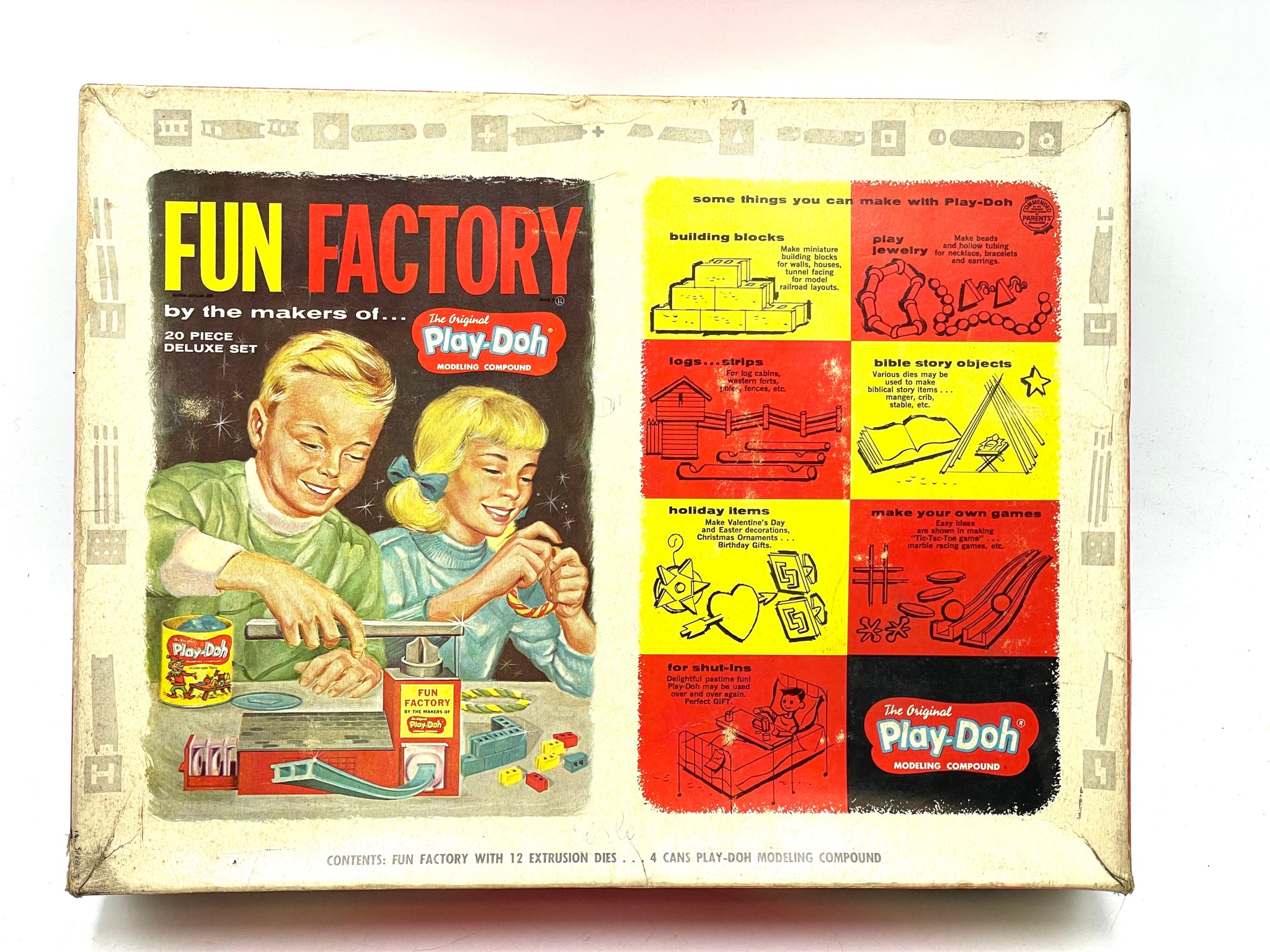
The early packaging featured a charming elf perched on top of the cans, Adding To Its Whimsical Appeal. This image was later replaced by Play-doh Pete, a stylish boy sporting a beanie, signaling a shift towards a more Modern Aesthetic. The 1960s marked a significant turning point for Play-doh, setting the stage for its enduring legacy as a timeless classic. The introduction of the Fun Factory playset in 1960 provided kids with even more ways to engage with their beloved dough, opening up a world of construction and pretend play.
From Wallpaper Cleaner to Toy Sensation
It’s fascinating to think that what started as a simple wallpaper cleaner could become the beloved toy we Know Today. The story of Play-doh is a testament to the power of innovation and repurposing old ideas in new and exciting ways. Imagine a time when people used a pliable, colorful compound primarily for cleaning their walls! Thankfully, Joe Mcvicker had a vision beyond the mundane. Recognizing the potential for play and creativity within this material, he transformed it into a toy that would capture the imaginations of Generations To Come.
The shift from wallpaper cleaner to Play-Doh sensation was gradual but impactful. Initially marketed as a safe and non-Toxic Sculpting Medium, Play-Doh quickly gained popularity among parents Who Appreciated Its Educational Value. It provided children with a tactile Way To Explore Shapes, colors, and textures, fostering their fine motor skills and imagination. Word of mouth spread, and soon, Every Child’s playroom seemed to feature at least one can of this colorful dough.
The rest, As They Say, is history! Play-Doh became synonymous with childhood creativity, inspiring countless hours of imaginative play and artistic expression.
The Evolution of the Play-Doh Brand Identity
As Play-Doh grew in popularity, so did the need to refine its brand identity and captivate young Minds Even More Effectively. The packaging, a crucial element in attracting attention on crowded shelves, underwent several transformations over the years. Initially featuring a charming elf perched atop the cans, it soon swapped out the whimsical figure for Play-doh Pete, a stylish boy sporting a beanie, signaling a shift towards a more modern and relatable aesthetic.
This evolution wasn’T Just About Aesthetics; it reflected the changing times and the evolving tastes of children. They wanted to see themselves in the brand, and Play-doh responded by creating a persona that resonated with them. The logo continued to evolve, simplifying over time until it featured just Pete’s head on a can by 1974. This minimalist approach allowed for greater versatility in branding and ensured Play-doh remained recognizable even across different Product Lines.
Then came another game-changer: the switch from cardboard packaging to iconic bright yellow plastic in 1986. This bold move not only made the cans more durable but also instantly grabbed attention on store shelves, solidifying Play-doh’s place as a vibrant and Playful Brand. This evolution of the Play-Doh brand identity proved essential to Its Continued Success, ensuring it remained relevant and appealing to generations of children.
Iconic Playsets: Expanding Creative Play
Play-doh wasn’t content with just being a lump of colorful dough; it wanted to expand the horizons of creative play and provide kids with endless possibilities. This led to the introduction of iconic playsets that transformed simple Play-doh into intricate scenes and imaginative adventures.
The 1960s saw the debut of The Fun Factory, a groundbreaking set that allowed kids to create everything from wacky shapes to miniature animals using molds and rollers. It was a hit, proving that kids craved more than just open-Ended Play; they wanted structured activities that guided their creativity and brought their imaginative Worlds To Life. This paved the way for even more innovative playsets in the years To Come.
The Fuzzy Pumper Barber And Beauty Shop Playset, launched in 1977, was a prime example of this trend. It allowed kids to style Play-Doh hair using a crank, complete with tools for haircuts and shaves. This set tapped into another popular theme: role-playing. Kids could transform themselves into hairstylists, barbers, or even customers, engaging in imaginative scenarios that fostered social skills and problem-Solving Abilities.
The Rise of Play-Doh Pete and Vibrant Packaging
As Play-Doh’s popularity soared in the 1960s, the brand needed a mascot to capture the hearts and imaginations of children. Enter Play-Doh Pete, a stylish boy sporting a beanie who instantly became synonymous with fun and creativity. He replaced the previous elf figure on the packaging, signaling a shift towards a more relatable and modern persona that resonated with kids at the time.
Play-Doh Pete’s charming appearance and playful demeanor helped solidify Play-doh’s position as a leading brand in children’s toys. His image became instantly recognizable, appearing on everything from cans to advertisements, Further Cementing Play-doh’s place in popular culture. The packaging itself also underwent a transformation, moving away from simple cardboard designs towards bolder and more vibrant colors. This shift reflected the growing trend of marketing directly to children, using eye-catching visuals and playful themes to Attract Their Attention.
The combination of Play-doh Pete and vibrant packaging proved Incredibly Successful, Helping To Propel Play-Doh into a household name recognized worldwide. It demonstrated the power of branding and how a carefully crafted image could captivate young audiences and drive brand loyalty for years to come.
Shaping Childhood Imagination
Play-Doh’s impact extends far beyond just being a colorful toy; it has become a staple in shaping childhood imagination for generations. Its malleable nature allows kids to transform simple dough into limitless creations, fostering their creativity and encouraging them to think outside the box. Whether they’Re Sculpting Animals, Building Houses, or fashioning fantastical creatures, Play-Doh empowers children to bring their Inner Worlds To Life.
This open-Ended Play Encourages problem-solving skills as children experiment with Different Shapes, textures, and combinations. It also develops fine motor skills As They Knead, roll, and mold the dough, preparing them for more intricate tasks later in life. But perhaps most importantly, Play-Doh fosters a sense of wonder and joy in childhood.
It provides a safe space for Children To Express Themselves Freely, Explore Their Imaginations, and discover the satisfaction that comes from creating something unique with their Own Hands. In essence, Play-doh has become more than just a toy; it’s a tool that nurtures creativity, imagination, and a lifelong love of learning Through Play.