The world of culinary delicacies is filled with intriguing and sometimes controversial dishes. One such dish that captures the imagination and sparks debate is the ortolan bunting. This small songbird, considered a prized delicacy in France, has a history steeped in tradition and shrouded in ethical complexities.
Its preparation is a meticulous process, involving trapping the birds, keeping them in darkness to fatten them up, force-feeding them until they double in size, drowning them in brandy, plucking their feathers, and finally roasting them whole. The ultimate consumption experience involves eating the entire bird in one bite, feet-first, leaving only the beak behind.
This unique culinary ritual has led to a strong following among those who appreciate its rich history and the unparalleled ortolan taste. Described as a blend of fat with subtle hazelnut notes and a fiery burst of flavors, it’s a sensory experience unlike any other. However, the ortolan bunting’s status as a delicacy also raises serious ethical concerns regarding animal welfare and conservation.
The Ortolan Bunting: A Culinary Enigma
The ortolan bunting itself is a small and unassuming bird, often overlooked in its natural habitat. But when it comes to the culinary world, this tiny creature becomes a symbol of exclusivity and extravagance. Its short lifespan, coupled with the laborious process of preparing it for consumption, contributes to its high price tag and elusive nature. This makes the ortolan a true enigma in the culinary landscape – a dish both revered and reviled.
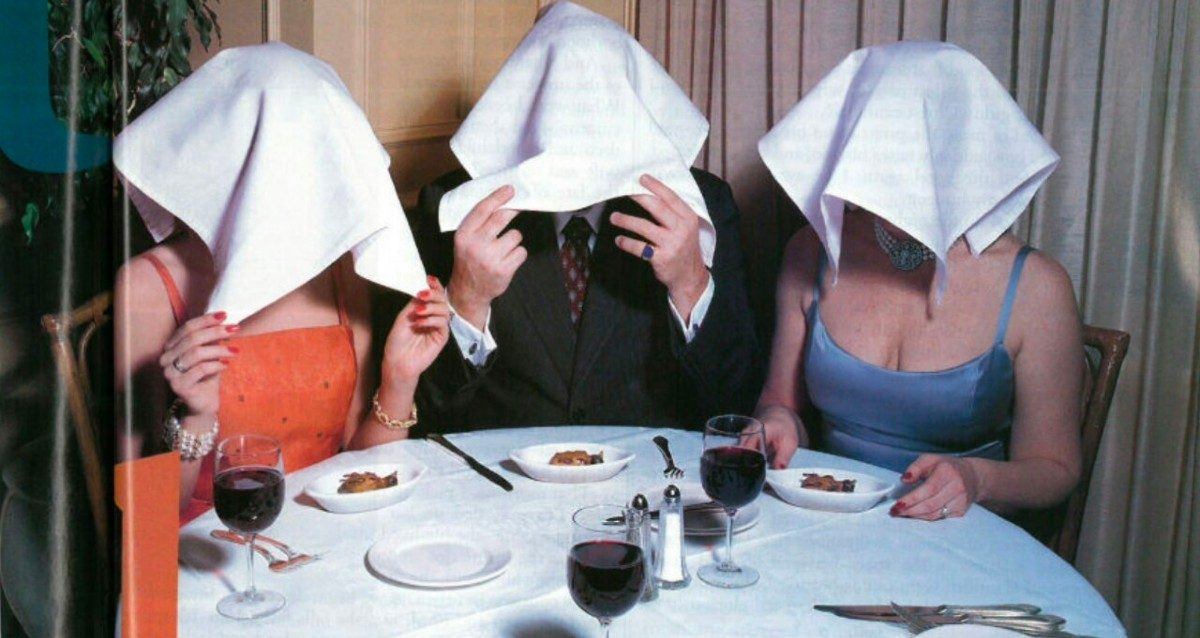
The mystique surrounding the ortolan is further amplified by the specific ritual involved in its consumption. Diners are often blindfolded before being served their ortolan, heightening the sensory experience and adding an element of mystery to the occasion. The act of eating it whole, feet-first, leaving only the beak behind, is a unique tradition that has become synonymous with the dish’s extravagance.
This combination of meticulous preparation, ritualistic consumption, and inherent scarcity creates an air of exclusivity around the ortolan. It becomes more than just a meal; it’s an experience steeped in history, tradition, and a touch of decadent allure.
Preparation and Sensory Experience
The journey to savor an ortolan bunting begins long before the bird graces your plate. It involves a meticulous process of trapping these small songbirds and raising them in darkness to maximize their fat content. They are then force-fed until they double in size, essentially plumping them up for consumption. This intensive preparation, while controversial, contributes significantly to the richness and intensity of the ortolan taste.
The final act before feasting involves drowning the birds in brandy, a step that adds another layer of complexity to their flavor profile. Once plucked and roasted whole, the ortolans are served piping hot, ready for the unique consumption ritual. This involves eating the entire bird in one swift bite, feet-first, leaving only the beak behind.
This all-at-once approach ensures that every element of the bird – from its succulent flesh to its flavorful bones – is enjoyed simultaneously. The result is a symphony of tastes and textures that lingers long after the final bite. The experience is described as a rich blend of fat with subtle hazelnut notes and a surprising hot rush of flavor, leaving diners with a truly unforgettable culinary memory.
Legal Status and Controversies
Despite its unique status as a culinary delicacy, the ortolan bunting has faced significant legal challenges over the years. In 1979, the European Union implemented a ban on hunting and trading this species due to concerns about its declining population. France followed suit in 1999, outlawing the practice within its borders.
These legal restrictions haven’t completely eradicated the ortolan trade, however. A thriving black market continues to operate, supplying those who are willing to pay exorbitant prices for this forbidden dish. The persistence of this trade highlights the complex relationship between culinary tradition and conservation efforts.
The controversy surrounding ortolans lies at the heart of this debate. While some view it as a cherished part of French culinary heritage, others argue that its continued consumption is unethical and unsustainable. This ongoing conflict raises important questions about the balance between cultural preservation and protecting endangered species.
Conservation Concerns and Ethical Debates
The ortolan bunting’s vulnerability stems from its limited range and the intensive practices involved in its preparation for consumption. The birds are often trapped during their breeding season, disrupting their natural life cycle and hindering population recovery.
Furthermore, the force-feeding and confinement methods used to fatten the ortolans can cause significant stress and suffering to the birds. This raises serious ethical concerns about the treatment of these animals, particularly when considering their declining numbers. Conservation groups argue that the continued exploitation of ortolan bunting for culinary purposes poses a direct threat to the species’ survival.
The debate surrounding ortolans highlights the complex ethical dilemmas faced by societies grappling with cultural traditions and conservation efforts. Balancing the desire to preserve culinary heritage with the responsibility to protect vulnerable species is a delicate act, requiring careful consideration and thoughtful solutions.
A Dish of Tradition or Extinction?
The ortolan bunting’s fate hangs precariously in the balance, caught between its status as a culinary delicacy and the growing pressure to protect endangered species. Its story serves as a microcosm of the larger challenges faced by conservationists worldwide – balancing cultural traditions with the urgent need for biodiversity preservation.
While some argue that the ortolan tradition holds historical and cultural significance, others contend that its continued practice is unsustainable and ethically questionable. The demand for this rare dish, fueled by its exclusivity and association with wealth, further exacerbates the threat to the ortolan bunting’s survival. Ultimately, the question remains: will this unique bird become a symbol of culinary tradition or a cautionary tale about the consequences of unchecked consumption?
Finding a solution that respects both cultural heritage and ecological responsibility is crucial. Perhaps promoting sustainable alternatives or fostering greater awareness about the plight of the ortolan bunting could pave the way for a future where culinary traditions coexist with environmental conservation efforts.