
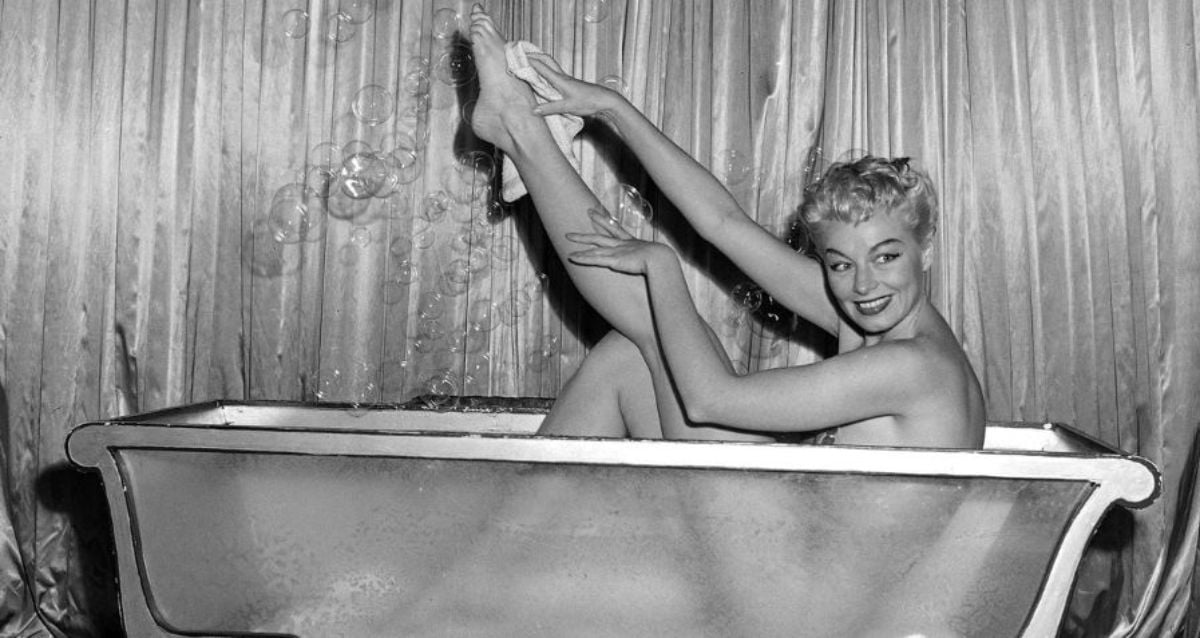
Burlesque, with its roots in the Italian commedia dellarte, has a long and fascinating history. It blossomed into a beloved Victorian variety show, filled with comedic musical parodies and dances that pushed social boundaries. English dancer Lydia Thompson brought burlesque to America in 1868, sparking both controversy and widespread attention with her troupe, The British Blondes. This marked the beginning of a new chapter for burlesque in the United States.
Early American shows were a captivating mix of comedic sketches, vaudeville acts, and lively chorus numbers. Over time, suggestive dancing took center stage, becoming the defining element of burlesque performances. Think back to the glamorous famous burlesque dancers who graced the stages during this era, captivating audiences with their daring routines and magnetic personalities.
The rise of the Minsky brothers’ productions in the early 20th century propelled burlesque into a new level of notoriety. Their shows featured performers clad in increasingly revealing attire, pushing the boundaries of what was considered acceptable on stage. Controversy followed them everywhere, leading to police raids and eventually a ban on the word “burlesque” in New York theater advertising. Despite these challenges, old burlesque dancers like Eva Tanguay and Gypsy Rose Lee achieved national fame through their unique styles and captivating performances.
The Origins of Burlesque
Burlesque’s journey began in 16th-century Italy with commedia dellarte, a form of improvisational comedy featuring stock characters and witty dialogue. These theatrical performances often included bawdy humor and physical gags, setting the stage for burlesque’s future blend of entertainment and risqué content. As time passed, these comedic traditions traveled across Europe, evolving and adapting to different cultural contexts.
By the 19th century, burlesque had taken root in England, where it emerged as a popular variety show. These performances combined musical parodies, comedic sketches, and daring dances that challenged societal norms. Think of it as a theatrical melting pot where humor, music, and a touch of scandal came together to create a captivating spectacle. It was during this period that famous burlesque dancers like Lydia Thompson gained international recognition for their talent and charisma.
These early burlesque shows were a hit with audiences eager for something fresh and entertaining. They offered a break from the more traditional forms of theater, providing a platform for both comedic brilliance and daring performances that pushed the boundaries of what was considered acceptable. This spirit of innovation and rebellion would continue to shape burlesque throughout its evolution.
Burlesque in America: From Comedy to Controversy
When Lydia Thompson and her troupe, The British Blondes, arrived in America in 1868, they set off a cultural earthquake. Their performances, filled with risqué dances and suggestive humor, captivated audiences and sparked both fascination and outrage. This marked the beginning of burlesque’s journey in America, where it quickly gained popularity as a form of entertainment that pushed social boundaries. Early American shows often featured a mix of comedy sketches, vaudeville acts, and chorus numbers, but the suggestive dancing became increasingly central to the experience.
Think about those early old burlesque dancers who took to the stage with confidence and charisma, captivating audiences with their daring routines and unique styles. They helped shape the image of burlesque as a bold and alluring form of entertainment. As time went on, burlesque shows evolved into more elaborate spectacles, featuring extravagant costumes, stunning sets, and tantalizing performances that left audiences wanting more. The rise of the Minsky brothers’ productions in the early 20th century further pushed the boundaries of what was considered acceptable on stage. Their lavish shows, filled with scantily clad performers and explicit content, made headlines and attracted both enthusiastic fans and fierce critics.
The controversy surrounding burlesque shows intensified throughout the decades, leading to police raids, censorship attempts, and even a ban on the word “burlesque” in New York theater advertising. Despite these challenges, burlesque persevered, evolving and adapting to changing social norms.
Iconic Performers and Performances
Burlesque wasn’t just about risqué dances; it was a stage for captivating personalities and unforgettable performances. Names like Eva Tanguay and Gypsy Rose Lee became synonymous with the art form, their unique styles and captivating stage presences making them household names. Think of their iconic routines, filled with humor, glamour, and a hint of rebellion that left audiences spellbound.
These famous burlesque dancers weren’t just performers; they were trailblazers who challenged conventions and redefined what it meant to be a woman on stage. Their influence extended beyond the burlesque world, inspiring generations of artists and entertainers. Then there are those legendary moments etched in history: Sally Rand’s unforgettable fan dance at the 1933 World’s Fair, captivating audiences with its elegance and sensuality. The Ziegfeld Follies, a grand spectacle showcasing performers like Josephine Baker and Louise Brooks, solidified burlesque’s place as a major force in entertainment.
These iconic performances became touchstones for the era, demonstrating the artistry, creativity, and sheer audacity that defined burlesque at its peak. They are a reminder of how burlesque transcended mere entertainment; it was a platform for self-expression, rebellion, and the celebration of female power.
Neo-Burlesque: A Modern Revival
The late 20th century saw a resurgence of interest in burlesque, giving rise to Neo-Burlesque – a modern take on the classic art form. This revival embraced and reinterpreted the traditions of vintage burlesque while incorporating contemporary themes and aesthetics. Think of it as a fresh infusion of energy and creativity, bringing burlesque into the 21st century with a modern twist.
Stars like Dita Von Teese and Perle Noire emerged as icons of Neo-Burlesque, captivating audiences with their glamorous performances, intricate costumes, and powerful stage presence. They pushed boundaries and redefined what it meant to be a burlesque dancer vintage in the contemporary world, showcasing the enduring power and allure of this theatrical art form.
Neo-Burlesque celebrated individuality and self-expression, providing a platform for artists to explore their creativity and challenge societal norms. Its performances often featured elements of cabaret, drag, and performance art, creating a vibrant and eclectic fusion of styles that resonated with audiences seeking something unique and captivating.
Beyond the Stage
While burlesque is primarily known for its captivating stage performances, its influence extends far beyond the theater. Over the years, it has seeped into popular culture, inspiring fashion trends, art movements, and even film and television productions. Think about those iconic vintage costumes with their glamorous silhouettes and feather boas – they’ve made a recurring appearance in everything from music videos to runway shows, proving that burlesque style remains timeless and alluring.
The themes of female empowerment, body positivity, and self-expression that are central to burlesque have also resonated with audiences worldwide. Burlesque has become a platform for celebrating diversity and individuality, breaking down societal norms and encouraging people to embrace their own unique identities.
This cultural impact highlights how burlesque has evolved into more than just a form of entertainment; it’s a movement that celebrates creativity, self-expression, and the power of female artistry. It continues to inspire and empower individuals to embrace their sensuality, challenge conventions, and live life with confidence and flair.