Remember the dial-up days? The screech of a modem connecting, the pixelated graphics, and the sheer excitement of exploring the nascent internet? It was a different world back then, a world where communication online took on its own unique flavor – a language filled with Old Acronyms that would later be relegated to history.
Wired Style, a web usage manual published in the late 1990s, served as the ultimate guide for navigating this digital landscape. It was like Webster’s Dictionary for internet speak, Defining Everything From “F2F” (Face To face) to “TEOTWAWKI” (the end of the world as We Know it). Imagine trying to explain those terms to someone who only knows Lol and Brb – it would be like speaking different languages!
Today, many of these acronyms have faded Into Obscurity, replaced by newer, More Streamlined Alternatives. But there’s a certain charm to revisiting them, a nostalgic glimpse into the early days of online communication. It’s like finding an old photo album filled with memories of a Simpler Time – a reminder that even the internet is subject to the ebb and flow of trends.
A Trip Down Memory Lane: Wired Style’s Acronyms
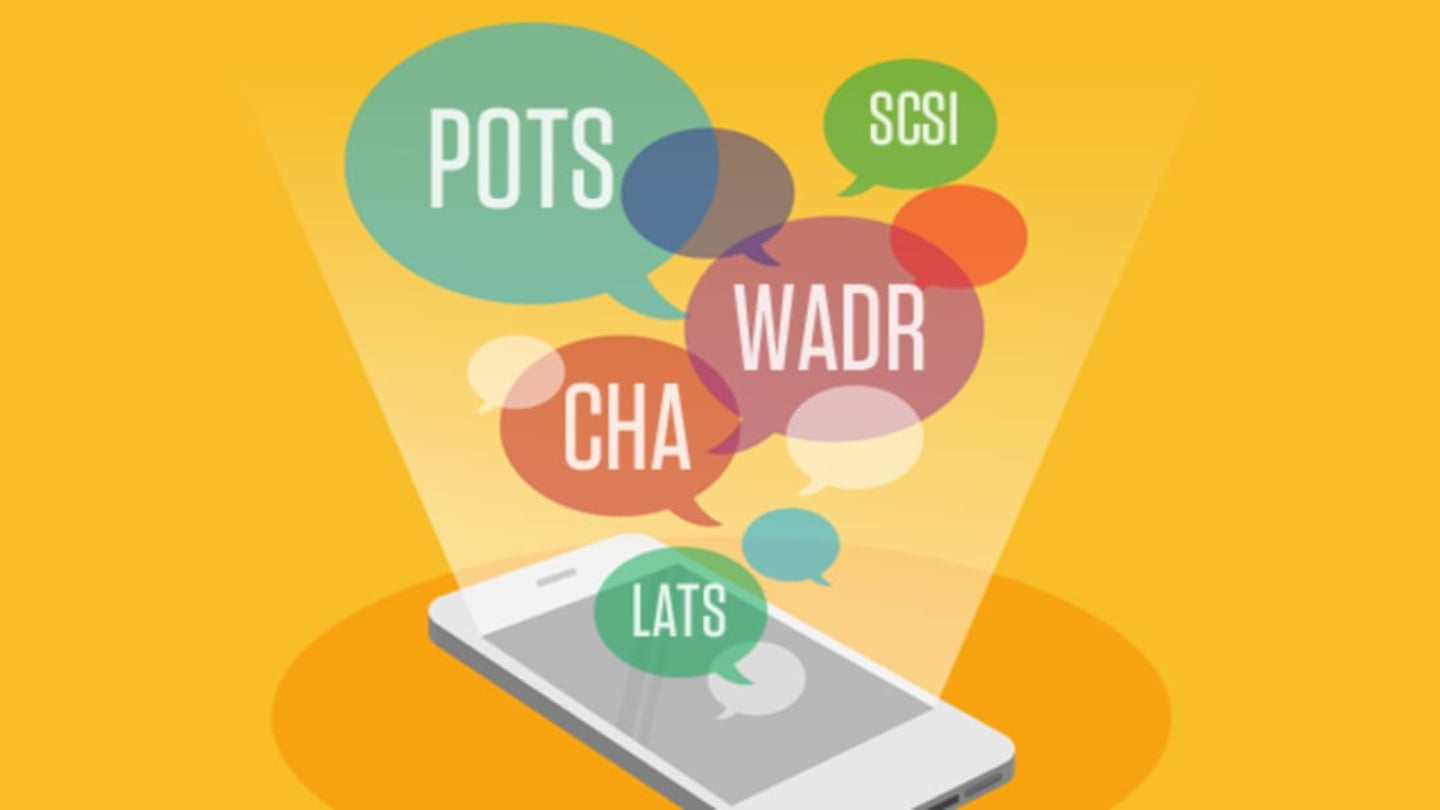
Flipping through Wired Style is like taking a time machine back to the late 90s internet. It’s a treasure trove of old acronyms that might make you chuckle or scratch your head in confusion. Take “Cha” (click here ahole), for example – a rather blunt instruction that probably wouldn’T Fly These Days. Then there’s “S!MT!!OE!!!” (sets my teeth on edge!!!), which perfectly captures the exasperation one might feel when encountering bad web design or cringeworthy content.
Some of the acronyms are surprisingly practical, like “Pots” (Plain Old Telephone service) which, Back Then, was still the dominant way people communicated outside the digital realm. Others, like “QOS” (quality of service), were already hinting at the technical complexities that would soon define the internet. And let’s Not Forget “TTYTT” (to tell you the truth), a phrase that could be used both genuinely and sarcastically, adding a layer of ambiguity to Online Conversations.
It’s fascinating how these seemingly random abbreviations captured the spirit of the time – a blend of tech enthusiasm, Social Awkwardness, and plain old irreverence. They serve as a reminder that language is constantly evolving, reflecting the changing needs and moods of those who use it.
Decoding the Language of the Late 90s Internet
Navigating the late 90s internet was like deciphering a secret code. Every forum post, Every Chat Message, could be riddled with these peculiar abbreviations that seemed to have their Own Internal Logic. “IOW” (in other words) and “OTOH” (on the other hand) were used liberally to add nuance To Online Discussions, while “Tmot” (trust me on this) often preceded bold claims or outlandish theories.
It was a time when context was king. You had to be attuned to the thread of conversation, the tone of the writer, and even the overall vibe of the online community to truly grasp the meaning behind these old acronyms. Imagine trying to explain “WTFIGO” (what the f* is going on?) in a polite email – It Just wouldn’t work!
Thankfully, some resourceful souls took it upon themselves to compile dictionaries and glossaries of these internet slang terms. Wired Style itself became a bible for anyone who wanted to keep up with the ever-changing language of the web. It was like having your own Personal Translator, bridging the gap between the digital world and our everyday lives.
 Is On the Road a True Story: Kerouacs Journey from Drafts to Masterpiece
From Cha to Yoyow: A Lexicon of Outdated Terms
Imagine a world where “Cha” (Click Here ahole) was a common courtesy, and “Yoyow” (You Own Your Own words) was a mantra for online self-expression. That was the reality of the late 90s internet, a place where unique acronyms like These Reigned Supreme. From the blunt instructions to the Philosophical Musings, Wired Style’s lexicon offers a fascinating glimpse into this bygone era.
There was “F2F” (Face To face), which meant exactly what it sounds like, back when online interactions were often a supplement to real-World Encounters. And who could forget “LAT” (lovely and talented), a term used to describe someone particularly impressive in the digital world? Even technical jargon got its own abbreviation – “SCSI” (Small Computer System interface) was essential for understanding the hardware that powered these early online communities.
These old acronyms, Though Largely Forgotten Today, provide a unique window into the evolution of language and communication. They remind us that every generation Has Its Own Slang, its own way of expressing itself, and that what seems outdated today may be resurrected tomorrow in some Unexpected Form.
The Rise and Fall of Internet Slang
The birth and evolution of internet slang is a fascinating story, much like the rise and fall of any trend. In the early days, the online world was relatively small and insular, fostering a sense of community and Shared Vocabulary. Acronyms were born out of necessity – a way to condense information quickly in text-based forums and chat rooms where Every Character Counted.
But as the internet grew exponentially, So Did Its Linguistic Landscape. New platforms emerged, New Generations Joined Online, and what was once considered cutting-Edge Slang Quickly Became Outdated. The rapid pace of technological change meant that language had to keep up, constantly reinventing itself to reflect the evolving needs and tastes of its users.
Today, we see a fragmented internet where various communities have their own unique dialects and jargon. While some old acronyms may still linger in niche corners, the vast majority have faded into obscurity. Yet, their influence can still be felt in the way we communicate online today – the use of abbreviations, emoticons, and even memes all owe a debt to those early pioneers of Internet Slang.
The Evolution Of Online Communication
The evolution of online communication is a remarkable journey, marked by constant innovation and adaptation. From the early days of text-based chat rooms to the rise of instant messaging, Social Media, and video conferencing, the way we connect with each other digitally has undergone a dramatic transformation.
What started as a niche hobby for tech enthusiasts quickly became a Mainstream Phenomenon, Reshaping How We Communicate, Share Information, and build relationships. The emergence of new platforms and technologies brought about changes in language, etiquette, and even our sense of identity online. While old acronyms may have faded Into Obscurity, their influence can still be seen in the way we use abbreviations, emojis, and memes today.
Looking ahead, it’s clear that online communication will continue to evolve at a rapid pace. Artificial intelligence, Virtual Reality, and augmented reality are just a few of the emerging technologies that promise to further revolutionize how we connect with each other in the Digital World.