Imagine this: two rival teams of ghost hunters, battling it out not on screen but in the legal arena! That’s exactly what happened back in the 80s with the clash between Ghostbusters vs The Real Ghostbusters. This wasn’T Your Typical Cartoon Rivalry, though. It involved studios, Copyright Claims, and fan confusion Galore.
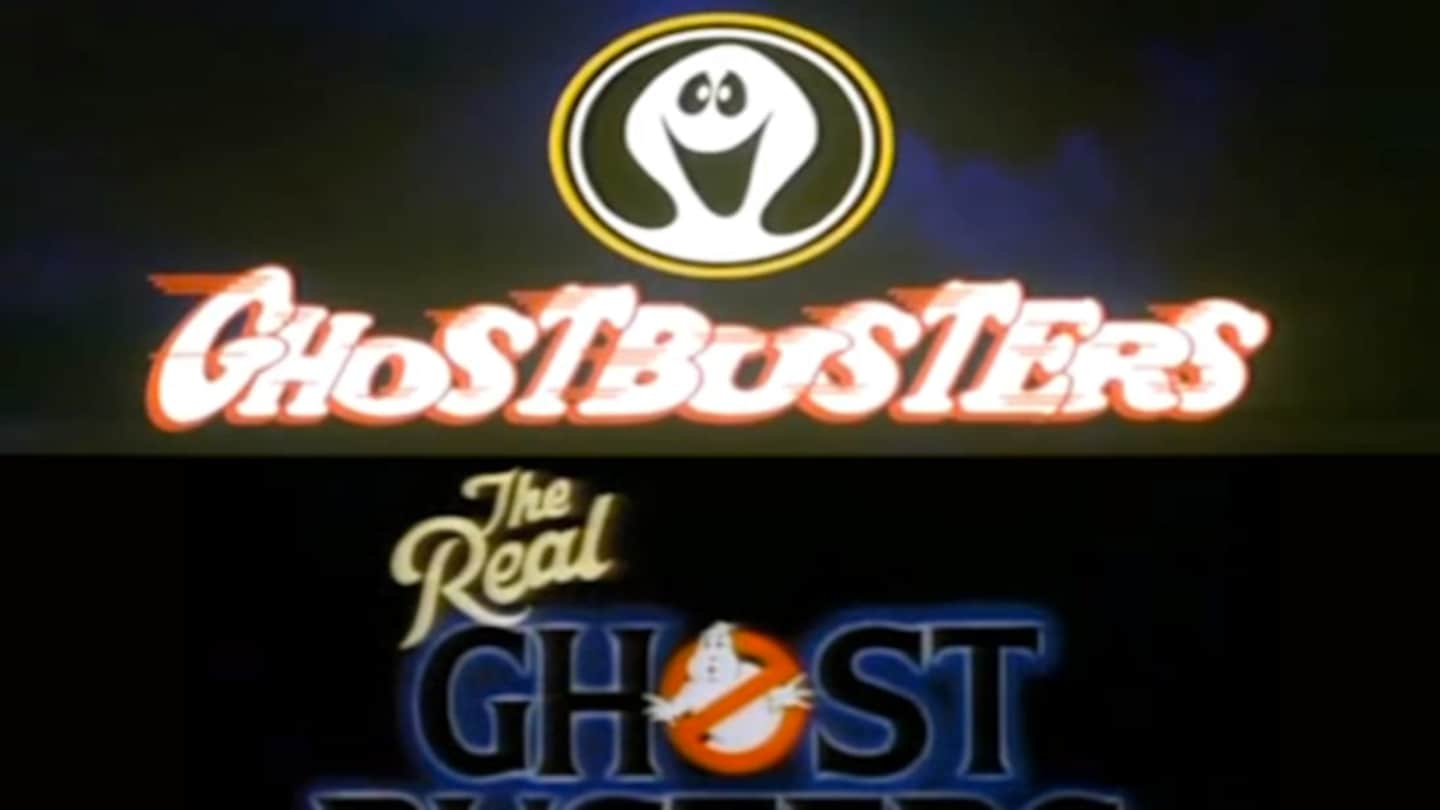
It all started with Filmation, a studio that had its own live-Action Show Called “The Ghost Busters” way back in 1975. When Columbia Pictures released their blockbuster Ghostbusters movie in 1984, they paid Filmation to use the name, but things got messy when the movie didn’t rake in the profits as expected. Feeling wronged, Filmation decided to fight back by creating their own animated version of “The Ghost Busters,” featuring the same characters from their live-Action Show.
Then came Columbia Pictures’ response: a separate cartoon series titled “The Real Ghostbusters,” based on their successful movie. Suddenly, We Had Two Competing Shows, both claiming to be the real deal! This sparked legal battles that eventually saw Columbia’s “The Real Ghostbusters” triumph, running for seven seasons compared to Filmation’s 65 episodes.
The Ghost Busters: A Live-Action Origin Story
Before the iconic proton packs and Stay Puft Marshmallow Man, there was a different kind of Ghost Buster story. Back in 1975, Filmation brought us “The Ghost Busters,” a live-action series that laid the groundwork for the future ghost hunting frenzy. This show wasn’t about parapsychologists busting ghosts with gadgets; it had a more lighthearted, Comedic Approach.
Imagine two detectives, Kong and Spenser, teaming up with their pet gorilla, Tracy, To Solve Spooky Mysteries. It was like Scooby-doo meets detective noir, with plenty of slapstick humor thrown in for good measure. They tackled haunted houses and spooky creatures, but always managed to save the day with a combination of wit, courage, and, well, Tracy’S Brute Strength.
This early iteration of Ghost Busters might seem far removed from the Iconic Version We Know Today, but it planted the seed for the ghost-Busting Phenomenon. Its unique blend of humor, action, and unexpected animal sidekick paved the way for future iterations, ultimately influencing the direction of the beloved Ghostbusters franchise we all know and love.
Columbia Pictures and the Rise of Ghostbusters
Columbia Pictures wasn’t content just letting Filmation have Their Ghostbusting Fun. They saw a golden opportunity to capitalize on the public’s fascination with the paranormal and decided to create their own version of Ghostbusters. This ambitious project was spearheaded by screenwriter Dan Aykroyd, who had a vision for a team of eccentric scientists battling supernatural threats.
Enter Ivan Reitman, a director known for his comedic touch, who brought Aykroyd’s vision to life with the iconic cast of Bill Murray, Harold Ramis, and Ernie Hudson. The result was a groundbreaking film that redefined the genre, Blending Humor, horror, and heart-stopping action in a way audiences Had Never Seen Before. Ghostbusters became a global phenomenon, Launching Merchandise Empires, Spawning Sequels, and cementing its place as a Pop Culture Classic.
The success of the movie proved that audiences were hungry for more Ghostbusting Adventures. Columbia Pictures wasted no time capitalizing on this popularity, launching not only a sequel but also an animated series based on Their Film, “The Real Ghostbusters.” This set the stage for a full-blown battle between two competing interpretations of the same idea – a clash that would redefine the landscape of animation and fan loyalty forever.
Animated Battles: Ghostbusters vs. The Real Ghostbusters
With Columbia Pictures’ successful “Ghostbusters” movie and its subsequent animated series titled “The Real Ghostbusters,” the stage was set for a Cartoon Showdown. Fans found themselves caught in the middle of this animation arms race, unsure which team truly represented the spirit of ghostbusting. Filmation, Determined To Prove Their Claim, continued with their own animated “Ghostbusters” series featuring Kong and Spenser, but it struggled to keep up with the popularity of Columbia’s offering.
The Real Ghostbusters captured hearts with Its Witty Dialogue, Exciting Adventures, and iconic characters like Peter Venkman, Ray Stantz, Egon Spengler, and Winston Zeddemore. The show tackled a range of Supernatural Threats, from mischievous ghosts to terrifying ghouls, all while maintaining its signature blend of humor and suspense. It became a Saturday morning staple for kids and adults alike, solidifying its place as a beloved Classic Alongside Other Animated Gems.
Despite both series having their dedicated Fan Bases, “The Real Ghostbusters” Ultimately Triumphed, running for seven seasons compared to Filmation’s 65 episodes. This success solidified Columbia Pictures’ hold on the franchise and cemented their version of Ghostbusters as the definitive interpretation for many fans worldwide. However, it didn’t stop the legacy of both Shows From Influencing Future Generations, showcasing the enduring appeal of these Iconic Ghostbusting Characters.
Legal Ramifications and Successes
The battle between “Ghostbusters” and “The Real Ghostbusters” wasn’t just a battle of cartoons; it was a legal showdown with serious ramifications for both sides. Filmation, feeling wronged by Columbia Pictures using Their Concept, Took Their Case To Court, Claiming Copyright Infringement. This legal tug-of-war dragged on for years, with both studios fighting fiercely to Protect Their Intellectual Property Rights.
Ultimately, the courts ruled in favor of Columbia Pictures, acknowledging that their interpretation of “Ghostbusters” was distinct enough from Filmation’s Original Concept. This victory solidified Columbia’s ownership of the franchise and paved the way for continued success with sequels, merchandise, and other ventures. However, the legal battle left a lasting impact on both studios, highlighting the complexities of intellectual property rights in the entertainment industry. Despite the legal challenges, both “Ghostbusters” and “The Real Ghostbusters” Achieved Significant Success, proving that there was a strong audience appetite for these paranormal adventures.
This ultimately led to a shared legacy, with fans appreciating both versions for their unique contributions to the ghostbusting genre. The story of these two animated series serves as a reminder of the delicate balance between creativity, Intellectual Property, and the ever-evolving landscape of pop culture.
A Legacy in Cartoons
The animated adventures of “Ghostbusters” and “The Real Ghostbusters” left an undeniable mark on the world of cartoons. They introduced a new generation to the thrills and chills of ghost hunting, Blending Humor, action, and spooky storylines in a way that resonated with viewers of all ages.
Both series tackled complex themes like Good Versus Evil, friendship, and facing your fears, all while featuring memorable characters and Imaginative Villains. This combination made them not only entertaining but also thought-provoking, encouraging children to embrace their imaginations and learn valuable life lessons along the way. The enduring popularity of these shows speaks volumes about their lasting impact on pop culture.
Even today, Fans Continue To Celebrate “Ghostbusters” and “The Real Ghostbusters,” Hosting Conventions, Creating Fan Art, and sharing their love for these Iconic Cartoons. Their influence can be seen in countless other animated series that followed, demonstrating the enduring power of these two ghostbusting legends.