
So you’re flipping through an old comic book from the ’60s or ’70s, and what do you see? Ads for X-Ray Goggles, muscle-Building Courses – Pretty Standard Stuff. But then there it is: a live Sea-monkey in a little plastic tank, waiting to be yours! It seems these ads were masters of capturing a kid’s imagination. They promised adventure, excitement, even a little bit of the wild.
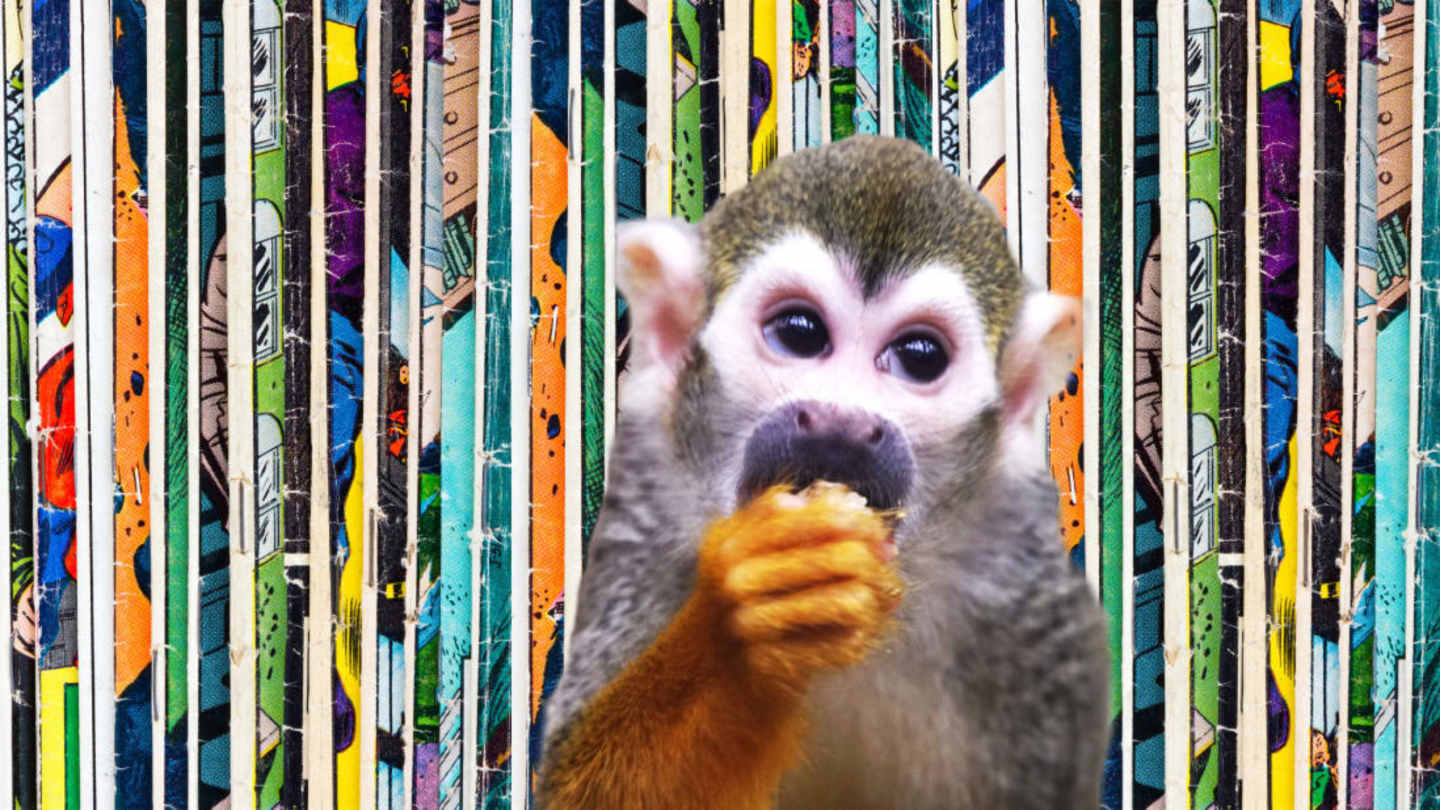
But some of those ads took Things To Another Level Entirely. Animal Farm of Miami Beach, Florida, decided that Sea-monkeys weren’T Enough. Want an exotic pet? For just $18.95 Plus Postage Due, you could have a live squirrel Monkey Delivered Straight To Your doorstep! Now, imagine receiving that in the mail – a tiny, furry creature with big eyes and Even Bigger Curiosity. Sounds adorable, right?
Well, those Comic Book Monkeys were more than just cute faces. These little guys came with a lot of responsibility, Requiring Special Diets, plenty of space, and constant attention. They weren’t exactly your typical house pet – Think Biting, Throwing Feces (sometimes at unsuspecting guests!), and even some… Shall We Say “creative” self-expression that probably wasn’t suitable for polite society. It turns out that owning a monkey isn’t all sunshine and bananas.
The Allure Of Comic Book Primates
So, what made these monkey ads so appealing? Kids in the 60s and 70s weren’t exactly bombarded with choices like we are today. A live animal, especially one as unusual as a Squirrel Monkey, was a pretty exciting proposition. It felt wild, exotic, even a little dangerous – all things that appealed to a child’S Imagination.
Picture this: your best friend has a boring Old Goldfish, but you? You have a Comic Book Primate! Think of the bragging rights! Plus, these ads always promised endless entertainment. Who wouldn’t want their own personal furry comedian, performing acrobatics and mimicking their every move (though probably not in a way that would impress your parents)? It seemed like owning one of these monkeys would instantly make you the coolest kid on the block.
The reality, As We Know, was often a bit different. But sometimes, all it takes is a catchy ad and a little spark of imagination to convince a young mind – or at least their parents – that anything is possible.
Sea-monkeys and Beyond: Mail Order Mania
The sale of live monkeys through Comic Book Ads wasn’t an isolated incident. This was part of a larger trend in the 60s and 70s – mail-order mania! Kids could get just about anything Sent Right To Their Doorstep: Instant Pet Rocks, grow-your-Own Dinosaurs (though those never quite lived up to the hype), Even Miniature Working Telescopes. It was like having your own personal catalogue of wonders, all waiting to be unlocked with a few bucks and a parental signature.
Sea-monkeys were probably one of the Most Popular mail-order items of this era. These brine shrimp, sold in colourful kits with their Own Little Habitats, promised an easy and low-Maintenance Pet Experience. They weren’t quite as wild as monkeys, but they still held a certain charm – a glimpse into the mysterious world of miniature ecosystems.
It seems like those comic book ads tapped into something primal in all of us: the desire for adventure, novelty, and maybe even a little bit of chaos. They promised instant gratification, packaged with a dash of danger and excitement. And while some of those promises Might Have Fallen Short, there’s no denying that they captured the imagination of a generation, leaving behind a legacy of quirky memories and stories about the things We Once Desperately Wanted (and some of us maybe shouldn’T Have had).
A Monkey in Every Home?
Of course, the idea of having a comic book primate running around your living room might sound charming in theory. But let’s Face It, raising a monkey is no walk in the park. They need specialized diets, plenty of space to roam and climb (goodbye, Grandma’S Antique china!), and constant interaction – they’re social creatures who crave attention. It wouldn’t be fair to keep them cooped up in a small apartment, nor would it be safe for your furniture or your neighbours!
Imagine the chaos that would ensue if every kid who saw one of those ads actually got their hands on a monkey. Our suburbs would be overrun with little furry bandits swinging from lampposts and raiding pantries. Bridges might be shut down due To Impromptu Monkey Parades, and classrooms would be a whirlwind of fur and banana peels. While it’s Fun To Imagine, the reality is that monkeys simply aren’t suited for life as house pets.
Ultimately, those comic book ads probably did More Harm Than Good. They created unrealistic expectations about pet ownership and overlooked the complex needs of these intelligent creatures. It seems like a lesson we Still Need To Learn Today: some things are just better left in the wild – or at least in the hands of trained professionals!
Unforeseen Consequences: The Reality Check
As those little monkeys made their way into unsuspecting homes across the country, a different kind of story began To Unfold. It wasn’t all cuddly cuddles and playful antics – reality quickly set in. These weren’T Your Average House Pets; they were wild animals with instincts that couldn’t be tamed by a few treats and belly rubs.
Stories emerged of escaped monkeys causing havoc in neighbourhoods, Raiding Gardens, and even biting unsuspecting passersby. Families found themselves facing the daunting task of dealing with a furry, Unpredictable Intruder, often with little to no preparation. The romanticized image of having a comic book primate as a companion Quickly Faded, replaced by a harsh reality check about the true nature of these Wild Creatures.
It wasn’t long before public awareness grew about the dangers and ethical concerns surrounding the sale of live monkeys Through Mail Order Channels. Regulations began to tighten, making it more difficult for companies To Peddle These “living toys” and protect both animals and humans From Potential Harm. The tide was turning, but not before many families had learned a hard lesson about the importance of responsible pet ownership and the complexities of caring for wild animals in captivity.
When Monkeys Meet Mayhem
Those little monkeys, with their big eyes and playful gestures, could easily charm unsuspecting families into thinking they were harmless house pets. But the reality was far from cuddly. As those monkeys grew, their wild instincts kicked in, Leading To Some Truly Hilarious – and sometimes chaotic – situations.
Imagine a mischievous chimp swinging from Your Chandelier, or a capuchin raiding your pantry in search of snacks. Stories emerged about monkeys escaping their enclosures, causing mayhem in local parks, and even hijacking unsuspecting bicycles. These weren’T Your Average House Pets; these were Comic Book Primates with a taste for adventure (and maybe a little bit of trouble!). It was a constant balancing act – trying to contain the chaos while keeping both humans and monkeys safe.
The aftermath of these monkey escapades often involved frantic calls to animal control, bewildered neighbours sharing stories over fences, and a whole lot of banana Peels Scattered Across Living Rooms. While it’s easy to laugh about these anecdotes now, they served as a reminder that owning a wild animal, no matter how cute it might seem, is a serious responsibility – one that often ended in unexpected consequences.