The buzzing of the rotary phone gave way to a symphony of digital tones and flashing lights in the 1980s and 90s. As technology advanced, so did our desire for something More Than Just Functionality – we wanted our phones to be as stylish as they were useful. This shift in thinking ushered in an era of bold designs and Vibrant Colors.
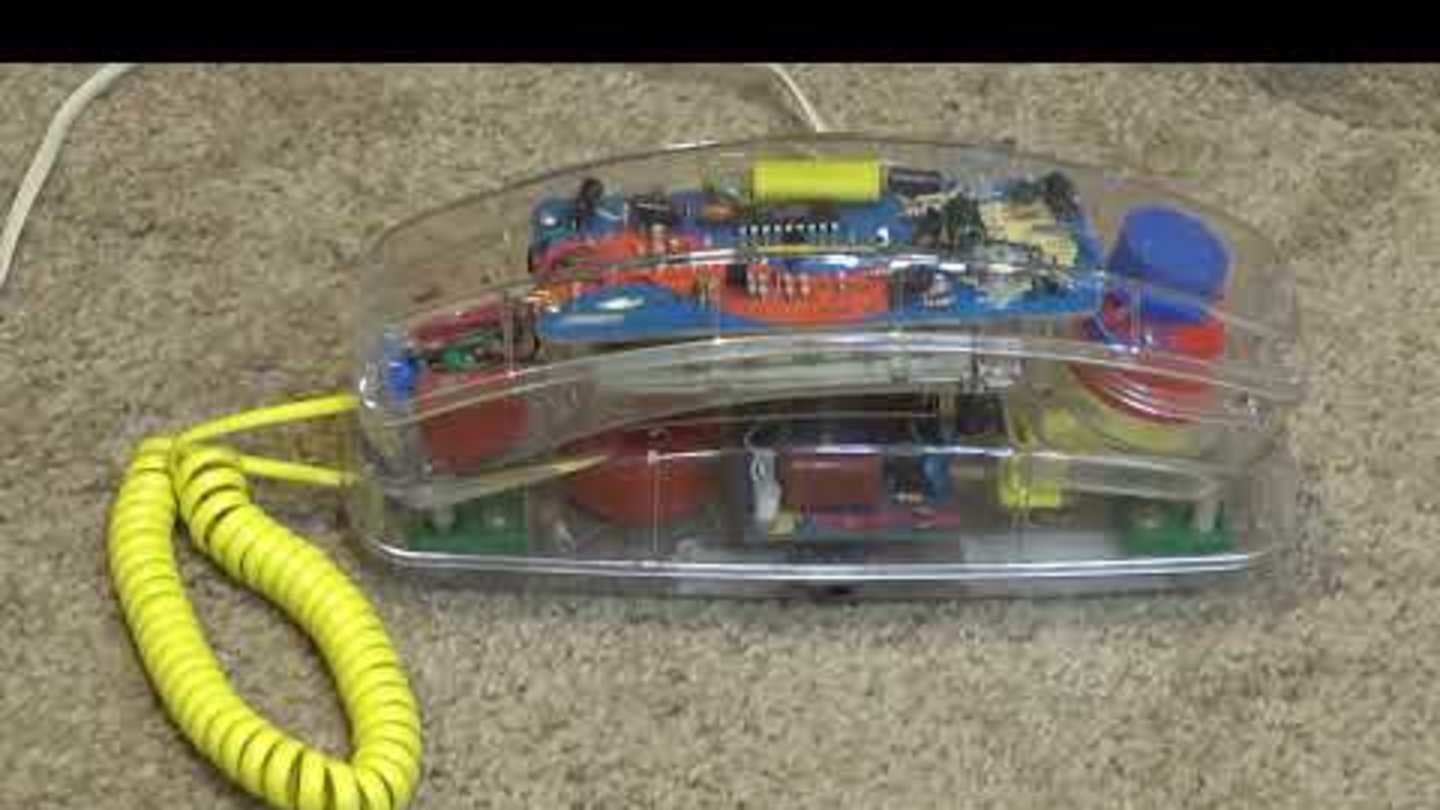
One particularly striking trend was the rise of the Clear Phone. Imagine holding a chunk of neon-Lit Plastic, with its intricate circuitry glowing like a miniature cityscape. These translucent marvels captured the imagination, especially among younger generations who saw them less as communication tools and More As Decorative Accessories. Kids would proudly display these colorful contraptions on their desks, competing to see who had the brightest, most eye-Catching Model.
These clear phones weren’T Just About Aesthetics; they symbolized a cultural shift towards personalization and individuality. Consumers craved products that reflected their Unique Tastes, and the clear phone offered a canvas for self-expression in a world increasingly dominated by mass-Produced Uniformity.
The Shift Towards Fun Phone Designs
The emergence of fun phone designs wasn’t just a whim; it was driven by a fundamental change in the telecommunications landscape. The 1980s and 90s witnessed the deregulation of the industry, which opened doors for smaller companies like Fun Products and Conair to challenge the traditional giants. These newcomers weren’t content with simply replicating existing designs. They wanted to inject personality and playfulness into something that was once Purely Functional.
This shift in thinking resonated with consumers who were tired of bland, Beige Technology. People craved products that reflected their individuality and sense of humor. Suddenly, phones weren’T Just About Making Calls; they became extensions of personal style, Conversation Starters, and even status symbols. Think about it: a sleek, clear phone with flashing neon lights was far more exciting than a clunky, monochrome box!
This newfound freedom in design paved the way for a wave of creativity. Phones sported whimsical shapes, Bold Colors, and quirky features. Some had built-in games, others came adorned with glitter or Animal Figurines. It was a time when technology Embraced Fun, and consumers responded enthusiastically to this Playful Revolution.
Clear Phones: Translucent Trends & Neon Lights
Clear phones weren’t just a new shape; they were a revolution in transparency. Imagine holding a phone that looked like it was made of frosted glass, revealing the intricate circuitry and glowing Lights Within. These Clear Phones became instant symbols of the 90s aesthetic, capturing the zeitgeist of playful technology and neon-Drenched Trends.
The translucent cases allowed for a mesmerizing interplay of light and color. When the phone rang, vibrant neon lights would flash behind the clear plastic, creating a dazzling visual spectacle. It was like holding a miniature disco ball that announced your arrival with a burst of colorful energy. This visual appeal was irresistible, especially to children who saw these phones as more than just communication devices; they were coveted collectibles and conversation starters.
The success of clear phones wasn’T Just About Aesthetics; it tapped into a deeper desire for personalization and individuality. In a world increasingly dominated by mass-Produced Goods, these clear phones offered a unique Way To Express Oneself. People could choose from various colors and designs, making their phone a truly individual extension of their personality.
Children as The Primary Target Market
While clear phones appealed to a wide range of consumers, they found their primary audience among children. These weren’T Just Phones; they were toys, Status Symbols, and conversation starters all rolled into one. Kids saw the bright colors, Flashing Lights, and unique designs as incredibly appealing, making them much more than functional Communication Devices. Think about it: who wouldn’t want a phone that looked like a miniature spaceship or glowed with every call?
Marketing strategies cleverly targeted this child demographic, emphasizing the playful aspects of these phones. Ads often featured kids excitedly showcasing Their Clear Phones To Friends, highlighting their coolness factor and desirability. These marketing campaigns successfully positioned clear Phones As must-haves, fueling a frenzy among young consumers eager to own the latest trend.
The rise of clear phones reflected a shift in consumer preferences towards more visually appealing and personalized products. Children, being particularly susceptible to trends and Visual Stimuli, were at the forefront of this movement, driving the popularity of these unique and colorful communication devices.
Legacy of Transparency in Consumer Products
The success of clear phones wasn’t just a fleeting fad; it planted a seed that blossomed into a broader trend toward transparency in consumer products. This fascination with the visible and the functional intertwined to create a new wave of design aesthetics. Just as clear phones revealed the Intricate Circuitry Within, other products began to shed their Opaque Exteriors, showcasing their inner workings and creating a sense of openness and accessibility.
Crystal Pepsi, launched in 1992, capitalized on this trend by offering a transparent cola that promised a purer, More Refreshing Taste. The Game Boy Advance SP, released in 2003, featured a clear clamshell design that allowed users to admire the intricate Circuitry Beneath. Even Apple’s iconic Imac computers of the late 90s embraced transparency with their colorful, Translucent Plastic Casings. These examples demonstrate how the success of clear phones helped pave the way for a broader cultural shift towards showcasing the beauty and functionality Hidden Within Everyday Objects.
This focus on transparency wasn’T Just About Aesthetics; it reflected a growing desire for authenticity and a connection to the inner workings of the products we use. Consumers craved a sense of understanding and involvement, and transparent designs offered a glimpse behind the curtain, fostering a deeper appreciation for the technology and craftsmanship involved.
Looking Back at a Visually Driven Era
The rise of clear phones and the subsequent wave of transparent consumer products encapsulate a specific era in Design History – one heavily influenced by visual appeal and playful aesthetics. It was a time when bold colors, Quirky Shapes, and eye-Catching Features Reigned Supreme. Looking back, we can appreciate how this period reflected a cultural shift towards embracing individuality and expressing oneself through personal style.
Technology, Once Purely Functional, became a canvas for creativity and self-expression. The success of clear phones demonstrated that consumers were hungry for products that weren’t just utilitarian but also visually stimulating and engaging. This trend laid the groundwork for future design philosophies that prioritize aesthetics Alongside Functionality, shaping the way we interact with technology and consumer goods to this day.
While the era of brightly colored, transparent electronics may have faded into nostalgia, Its Influence Remains. The enduring fascination with minimalist designs, Customizable Gadgets, and products that blend seamlessly into our lives can be traced back to the Visually Driven Era marked by the popularity of clear phones.