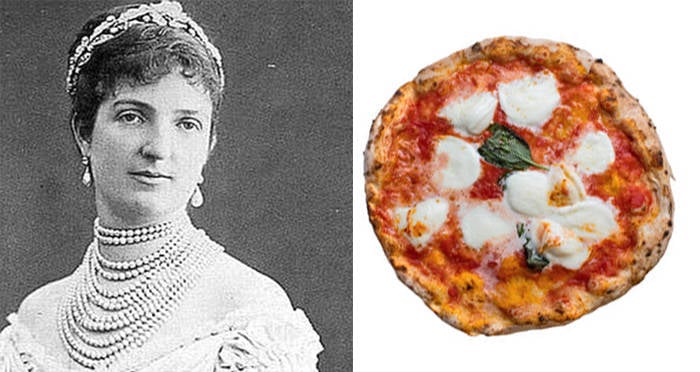
Imagine yourself strolling through the bustling streets of Naples, Italy, where every corner seems to offer a tantalizing aroma of freshly baked bread and savory toppings. In this vibrant culinary scene, pizza has reigned supreme for centuries, evolving from humble flatbreads to the beloved dish we know today. While various forms of topped flatbreads existed in the Mediterranean since ancient times, it’s Raffaele Esposito who is credited with crafting the iconic Margherita pizza in 1889, forever changing the landscape of food history.
This seemingly simple creation – a circle of dough adorned with mozzarella, basil, and tomatoes – became a sensation, capturing hearts and taste buds across continents. Legend has it that Queen Margherita of Savoy, during a visit to Naples, requested a taste of the city’s finest fare. Esposito, renowned for his culinary artistry, presented her with this masterpiece, its vibrant colors mirroring those of the Italian flag. Impressed by its taste and symbolism, the queen bestowed upon it the name “Pizza Margherita,” forever etching its place in history.
From Naples to New York and beyond, the Margherita pizza’s popularity exploded, carried by waves of Italian immigrants eager to share their culinary heritage with the world. Today, this classic creation remains a beloved staple, enjoyed in countless variations, yet always carrying the essence of that original Neapolitan masterpiece.
The Birth of Margherita Pizza
The year is 1889. Naples buzzes with life, a melting pot of vibrant culture and delectable cuisine. At the heart of this culinary scene stands Pizzeria di Pietro, where a talented young pizzaiolo named Raffaele Esposito plies his trade. Word has spread about Queen Margherita’s impending visit to Naples, igniting a frenzy in both the royal court and local kitchens.
Esposito, known for his ingenuity and artistry, is tasked with creating a dish worthy of impressing the Queen. He envisions a pizza that captures the essence of Italy itself: simple yet elegant, bursting with flavor and symbolism. Inspired by the colors of the Italian flag – red, white, and green – Esposito crafts a masterpiece using fresh mozzarella (white), vibrant tomatoes (red), and fragrant basil leaves (green). A legend is born.
The Queen, upon tasting this harmonious creation, declares her delight. The pizza, named “Pizza Margherita” in her honor, becomes an instant sensation. Its popularity transcends Naples, spreading throughout Italy and eventually captivating the world with its irresistible combination of taste and history.
A Legend in Layers
The story of the Margherita pizza isn’t just about a delicious dish; it’s a tapestry woven with layers of history, legend, and cultural significance. While the tale of Queen Margherita’s request for a taste of Naples’ finest food is widely cherished, some historians argue that it might be more myth than reality. They suggest the story was likely embellished by the Brandi brothers, who later took over Pizzeria di Pietro, to promote their business during the Great Depression and capitalize on the rise of Italian nationalism in the 1930s.
However, even if the exact details are shrouded in some mystery, there’s no denying the impact of the Margherita pizza. It became a symbol of Italy itself, representing its vibrant culture, culinary artistry, and national pride. Its simple yet elegant design resonated with people across borders, quickly capturing hearts and taste buds worldwide.
Today, the Margherita pizza stands as a testament to the power of food to transcend time and cultures. Whether you believe in the legend or simply enjoy its delicious simplicity, there’s no denying its enduring legacy as one of the most beloved pizzas of all time.
The Brandi Connection
The story of the Margherita pizza is intricately tied to the Brandi family, who eventually took ownership of Pizzeria di Pietro, Esposito’s former workplace. These entrepreneurial brothers, known for their marketing savvy, saw the potential in the legend surrounding the pizza and amplified its narrative throughout the 20th century. They proudly displayed a letter purportedly written by Queen Margherita praising Esposito’s creation, further cementing the connection between the pizza and royalty.
While some historians remain skeptical about the authenticity of this letter and question the extent to which the Brandi brothers embellished the story for promotional purposes, there’s no denying their contribution to the widespread popularity of the Margherita pizza. They capitalized on the captivating legend, positioning the pizza as a national treasure and a symbol of Italian culinary excellence.
Today, the pizzeria continues to operate under the name Brandi, a testament to the enduring legacy of the family and its role in shaping the narrative surrounding this iconic dish. The pizzeria stands as a living museum, showcasing vintage photographs, traditional tools, and recipes passed down through generations, offering visitors a glimpse into the fascinating history behind one of the world’s most beloved pizzas.
Global Popularity and Impact
The Margherita pizza’s popularity transcended Italian borders, carried by waves of Italian immigrants who sought to share their culinary heritage with new homes across the globe. From bustling New York City pizzerias to cozy cafes in Paris and Tokyo, the Margherita became a universal symbol of deliciousness, simplicity, and comfort food.
Today, the Margherita reigns supreme as one of the most popular pizza varieties worldwide, enjoyed by millions every day. Americans alone consume an estimated 350 slices of Margherita pizza per second! This translates to a staggering $45 billion market value at the end of 2017, showcasing its undeniable economic impact on the global food industry.
The Margherita’s enduring appeal lies in its ability to satisfy both simple cravings and discerning palates. Its familiar flavors—tomatoes, mozzarella, and basil—harmonize perfectly, creating a timeless classic that continues to enchant taste buds across generations and cultures.
More Than Just a Slice
The Margherita pizza is more than just a delicious meal; it’s a cultural icon that transcends culinary boundaries. It represents Italy’s rich history, artistic expression, and national pride. Taking a bite of this iconic dish isn’t merely about satisfying hunger; it’s about connecting with a story, experiencing a tradition, and appreciating the beauty of simplicity.
The Margherita’s enduring popularity speaks volumes about its universal appeal. It reminds us that good food has the power to bridge cultural divides, bring people together, and evoke feelings of warmth, comfort, and nostalgia. Whether enjoyed at a family gathering, a romantic date night, or simply as a solo treat, the Margherita pizza offers a moment of pure culinary bliss.
So next time you savor a slice of this classic creation, take a moment to appreciate its rich history, cultural significance, and the simple joy it brings to millions around the world. It’s more than just a pizza; it’s a story waiting to be savored.