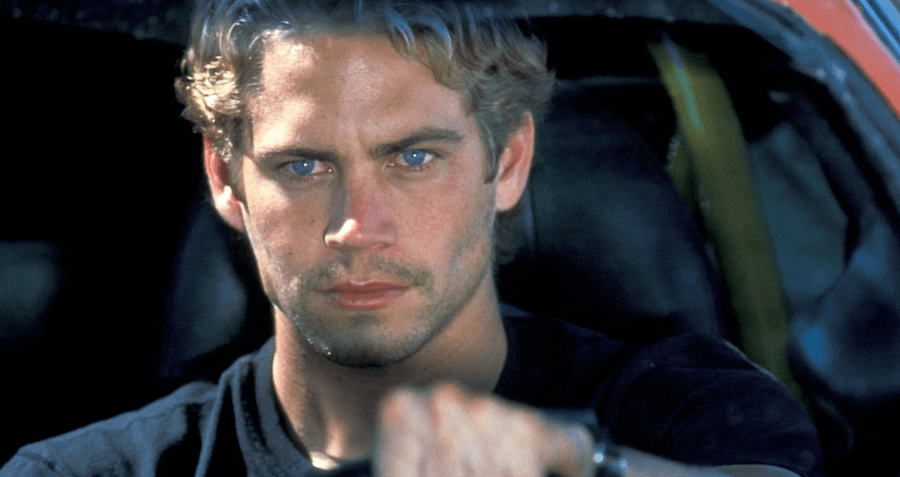
Paul Walker was a beloved actor known for his roles in the Fast and Furious franchise. He captivated audiences with his charisma and action hero persona. But on November 30, 2013, the world lost this talented star in a tragic event that shocked fans worldwide. The details surrounding his passing are both heartbreaking and complex, prompting ongoing discussions about safety and accountability.
Walker’s untimely death occurred during a car accident alongside his friend Roger Rodas. They were both passengers in a 2005 Porsche Carrera GT when the vehicle crashed into trees and a light post, erupting in flames. The Los Angeles County Sheriff’s Department’s investigation revealed that the car was traveling at approximately 100 miles per hour, significantly exceeding the speed limit on the road. This high speed played a major role in the severity of the crash and the subsequent fatalities.
The paul walker accident sparked intense media scrutiny and public grief. Fans mourned the loss of their favorite actor, while experts analyzed the contributing factors to the tragedy.
The Fatal Crash
The crash occurred on a sunny Saturday afternoon in Santa Clarita, California. Walker and Rodas were driving along the winding roads of Hercules Street when their Porsche Carrera GT veered off course. Eyewitnesses reported seeing the car accelerate rapidly before losing control and slamming into a concrete lamp post and several trees. The impact was catastrophic, instantly engulfing the vehicle in flames.
The intense heat from the fire made it nearly impossible for first responders to immediately access the wreckage. Sadly, both Walker and Rodas were pronounced dead at the scene. The force of the collision caused severe injuries that proved fatal despite the immediate medical attention they received. The accident site was quickly cordoned off as investigators began their painstaking work to piece together what happened.
The Los Angeles County Sheriff’s Department conducted a thorough investigation into the paul walker car crash. They meticulously examined the wreckage, interviewed witnesses, and analyzed forensic evidence. Their findings revealed that the Porsche Carrera GT was traveling at approximately 100 miles per hour – more than double the posted speed limit for that stretch of road – just prior to the crash. This excessive speed played a crucial role in the tragic outcome.
Investigation and Contributing Factors
The investigation into the crash revealed several contributing factors beyond the excessive speed. Investigators discovered that the tires on the Porsche Carrera GT were worn and had reached their limit for safe operation. These worn tires compromised the car’s ability to maintain traction at high speeds, making it more susceptible to losing control.
Adding to the complexity of the case, Porsche released a statement claiming that modifications made to the vehicle had potentially compromised its safety features. They argued that these aftermarket changes could have contributed to the crash’s severity. However, this claim sparked debate among automotive experts, who pointed out that manufacturers bear responsibility for ensuring their vehicles are safe even with modifications.
Ultimately, the investigation concluded that a combination of speeding, worn tires, and potentially compromised safety features created a dangerous situation that resulted in the fatal accident paul walker. The findings shed light on the importance of responsible driving practices, proper vehicle maintenance, and the manufacturer’s role in ensuring passenger safety.
Legal Proceedings and Settlement
Following the tragedy, Meadow Walker, Paul’s daughter, filed a wrongful death lawsuit against Porsche. She alleged that design flaws in the Porsche Carrera GT contributed to the crash and ultimately led to her father’s death. Her legal team argued that safety features, such as stability control, should have been present in the vehicle to prevent or mitigate the consequences of high-speed driving.
The case garnered significant public attention, prompting a debate about manufacturer responsibility and automotive safety standards. Porsche vehemently denied any wrongdoing, maintaining that the accident was caused by driver error and modifications made to the car after it left their factory. They argued that Walker and Rodas were exceeding the speed limit and driving recklessly, factors outside of Porsche’s control.
After several years of legal proceedings, Meadow Walker and Porsche reached an out-of-court settlement. The terms of the agreement were not publicly disclosed, but it effectively ended the lawsuit. While no admission of guilt was made by either party, the settlement likely reflected a recognition of the complex factors involved in the accident and a desire to avoid further protracted legal battles.
Remembering Paul Walker
Paul Walker’s untimely death at the age of 40 sent shockwaves through Hollywood and beyond. His charisma, youthful energy, and genuine warmth resonated with fans worldwide. He wasn’t just an action star; he was a beloved figure who touched countless lives with his kindness and dedication to philanthropy. His passion for ocean conservation and disaster relief work through his organization Reach Out Worldwide exemplified his compassionate nature.
The world mourned the loss of this talented actor and dedicated humanitarian. Fans held vigils, shared memories on social media, and celebrated his legacy through tributes and remembrances. His impact extended far beyond the film industry; he inspired countless individuals with his dedication to making a difference in the world.
Though Paul Walker is no longer with us, his memory endures. He remains an icon for many, remembered not only for his on-screen performances but also for his genuine spirit and unwavering commitment to helping others. His story serves as a reminder of the fragility of life and the importance of cherishing every moment.
Lessons Learned from the Tragedy
The tragic loss of Paul Walker in the car crash serves as a stark reminder of the importance of responsible driving practices. Excessive speed is a major contributing factor in countless accidents, and this case highlights the devastating consequences that can result from exceeding the posted speed limit. It’s a sobering lesson for all drivers to prioritize safety and obey traffic laws at all times.
Beyond speeding, the investigation revealed other crucial factors: worn tires and potentially compromised safety features. This emphasizes the need for regular vehicle maintenance to ensure optimal performance and safety. It also underscores the importance of manufacturers taking responsibility for designing vehicles with robust safety features that can mitigate the risks associated with accidents. Though technology continues to advance, ultimately, human choices and responsible behavior remain paramount in preventing such tragedies.
The paul walker accident serves as a poignant reminder to never underestimate the power of automobiles and to always approach driving with caution, respect, and mindfulness.